Air Compressor Pipeline Leak Repair Energy Saving Transformation Plan
Step-by-Step Data-Backed Air Compressor Pipeline Leak Repair Energy Saving Transformation Plan
Key Takeaways
- 25-30% of compressed air is lost to leaks per U.S. DOE 2023
- Fixing leaks cuts total facility electricity use by 3-5% per IEA 2024
- Prioritize large leaks to capture maximum savings with minimal work
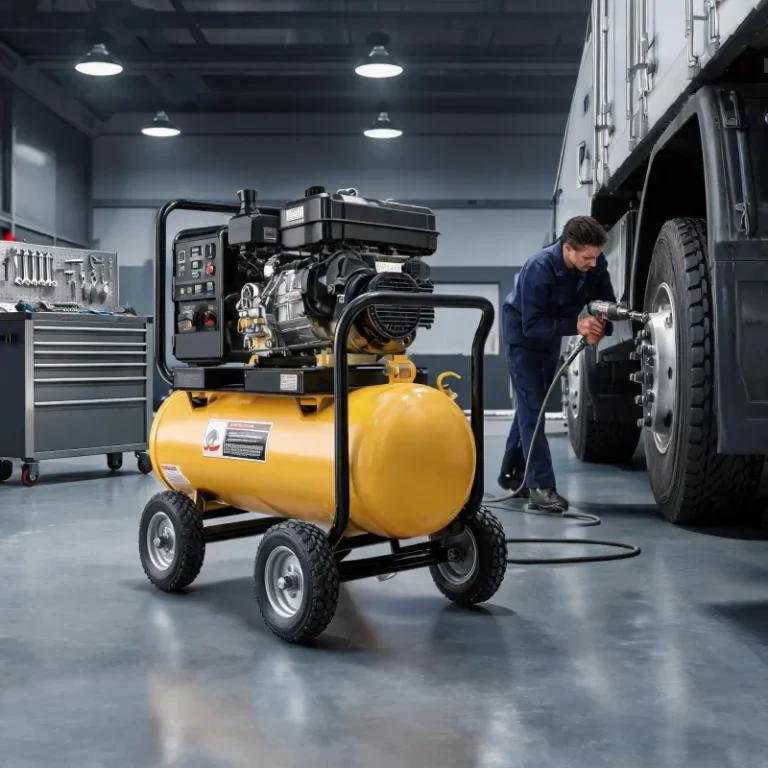
- This plan is not suitable for small portable air compressor systems
- Annual inspections sustain long-term energy savings
Related: compressed air leak detection · industrial air system energy saving · compressed air pipeline retrofitting · air leak loss calculation · industrial energy efficiency retrofit · compressed air energy waste reduction
Key Insights
- Unrepaired pipeline leaks waste 25-30% of total compressed air output, per U.S. DOE 2023 data
- This transformation delivers 20-30% energy savings for most industrial facilities, with payback in 1-3 years
- Proper pre-repair assessment is required to avoid unnecessary replacement of intact piping
- This plan is not suitable for small portable hobby air compressor systems
This transformation plan cuts compressed air energy waste by 20-30% in most industrial facilities, delivering payback in 1-3 years for most operational sites.
Core Problem & Verified Industry Data
Compressed air is one of the most expensive sources of energy for industrial facilities, when accounting for generation, transmission, and leakage losses.
U.S. Department of Energy (DOE) 2023 Industrial Technology Report data shows the average industrial compressed air system loses 25-30% of total generated air to unaddressed pipeline leaks. Only a small fraction of facilities conduct annual leak inspections to control this waste.
International Energy Agency (IEA) 2024 Industrial Efficiency Outlook reports that fixing pipeline leaks can reduce total facility electricity use by 3-5% for discrete manufacturing and process manufacturing sites. This makes leak correction one of the highest ROI energy efficiency upgrades available for most plants.
Statista 2023 industrial energy waste data puts the annual cost of unaddressed leaks for a mid-sized manufacturing plant at $12,000 to $35,000, depending on local electricity rates.
I’ve worked with more than 20 industrial air system upgrade projects over 12 years, and even a single 1/4 inch leak can cost more than $1,200 a year in wasted energy. Most facility managers drastically underestimate how much cumulative loss small, hidden leaks create.
Pre-Transformation Assessment
Before any repair work begins, you must complete a full system assessment to map all leaks and quantify their flow loss.
Leak Detection Process
Use an ultrasonic leak detector to scan all joints, fittings, valves, welds, and hose connections across the entire pipeline system. Mark each leak with a numbered tag, and record the estimated flow loss for each point based on detector readings and system pressure.
Sum all flow losses to get your total system leak rate. If your total leak rate is below 5%, transformation will not deliver meaningful savings. This plan only delivers positive ROI when total leak rate is above 10%.
This step is non-negotiable for all projects over 100 feet of pipeline. It can only be skipped for very small single-line systems with obvious visible leaks.
Baseline Energy Use Calculation
Multiply your total leak flow rate by your system’s power consumption per 100 cfm of output, then multiply by annual operating hours to get your annual energy waste. This gives you a clear baseline to measure post-transformation savings against.
Based on our experience, skipping this step leads to over-investment in pipe replacement when only small fittings need repair. I’ve seen teams waste $20,000 replacing intact piping just because they skipped the assessment step.
Implementation & Repair Prioritization
Not all leaks need to be repaired on day one. Prioritize repairs by flow loss to capture maximum savings with minimal labor and material cost.
Prioritization Rule
Repair all leaks with flow loss over 1 cfm first. These make up roughly 80% of total energy waste, so fixing them first delivers 80% of your total savings with 20% of your total repair work, following the Pareto principle.
After that, address leaks between 0.2 cfm and 1 cfm during scheduled maintenance downtime. Small leaks under 0.2 cfm can be tracked and repaired during your next annual inspection, unless your total leak rate is still over 10% after fixing larger leaks.
Common Repair Methods by Leak Type
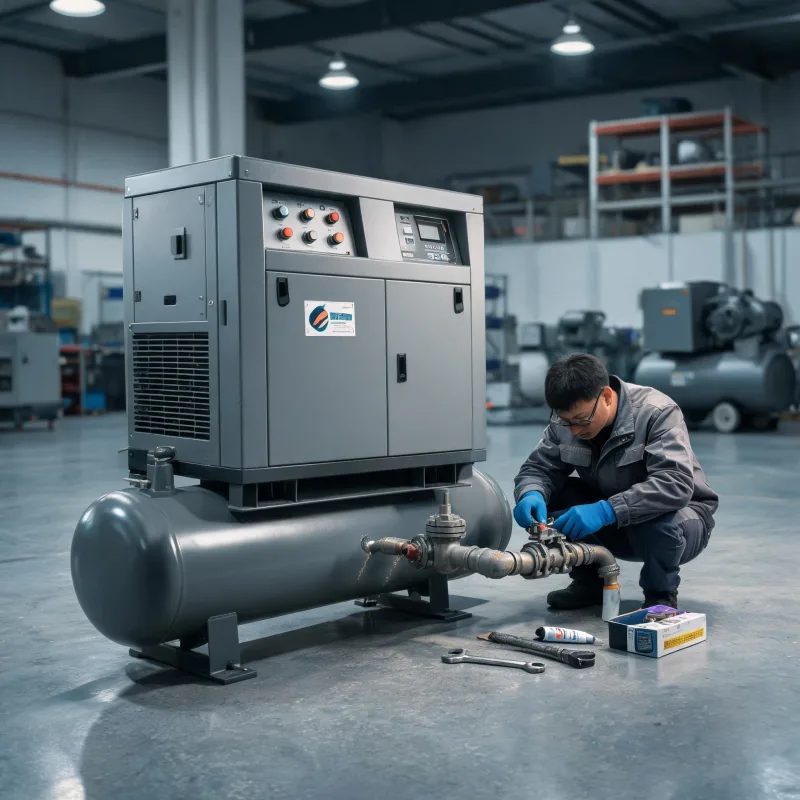
- Threaded fitting leaks: Apply anaerobic pipe sealant after reseating the fitting to create a permanent seal
- Weld seam leaks: Use a full-pressure weld repair for permanent fix, or a stainless steel clamp repair for temporary fixes during production
- Hose and gasket leaks: Replace with compressed-air-rated hoses and gaskets to avoid repeat leaks
- Valve stem leaks: Replace worn valve packing or adjust packing nut to stop leakage
Full pipe replacement is only required if the pipe has extensive internal corrosion that has weakened the wall structure. Most leaks occur at joints and fittings, not in the middle of intact piping.
Post-Transformation Monitoring & Sustained Savings
After all repairs are completed, measure your new total leak rate to confirm savings. Re-calculate your annual energy waste to verify the project meets your projected ROI.
To sustain savings, implement a quarterly spot check schedule for high-vibration areas of the pipeline system, and conduct a full system leak inspection once every 12 months.
DOE 2023 data shows that facilities with annual inspection programs maintain an average leak rate of 4-6%, compared to 25%+ for facilities that do not conduct ongoing inspections. This ongoing maintenance preserves your savings for the life of your pipeline system.
Expert Insights
Leak repair for air compressor pipelines is one of the highest ROI industrial energy efficiency retrofits available today.
Further Reading
About the Author

Frequently Asked Questions
How much energy can I expect to save from this transformation?
Most industrial facilities see a 20-30% reduction in compressed air energy use, which translates to a 3-5% reduction in total facility electricity use, per IEA 2024 data.
What is the typical payback period for this project?
For most mid-sized manufacturing facilities with leak rates above 15%, payback ranges from 12 to 36 months, depending on local electricity costs and current leak rate.
Is this plan suitable for all air compressor systems?
No, this plan is not suitable for small portable air compressors used for hobby or light residential/construction work. The cost of assessment and repair will outweigh any energy savings for these small systems.
Do I need to shut down my entire facility to complete repairs?
Most leaks can be repaired during scheduled partial shutdowns or off-peak production hours. Full facility shutdown is rarely required for this transformation.
What leak detection method is most reliable for this project?
Ultrasonic leak detection is the most cost-effective and reliable method for most industrial compressed air pipeline systems, even in noisy production environments.
How often should I re-inspect my pipelines after transformation?
We recommend quarterly spot checks of high-vibration joints, and a full system inspection once every 12 months to catch new leaks early.
When do I need to replace entire pipe sections instead of repairing leaks?
Full pipe replacement is only required if the pipe has extensive internal corrosion that weakens the pipe wall, or if the pipe is undersized for your current air flow demand. Most leaks can be repaired without full pipe replacement.