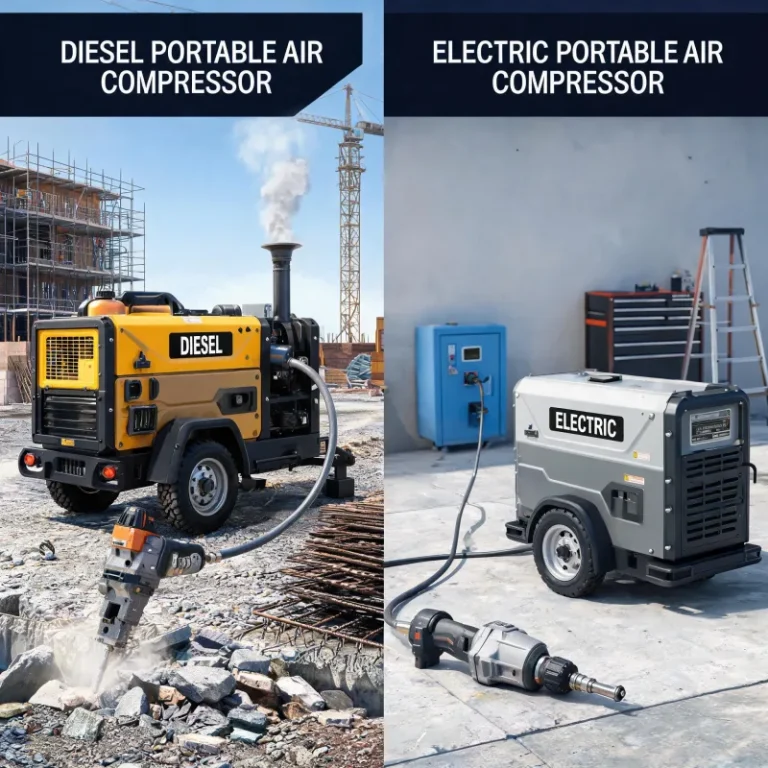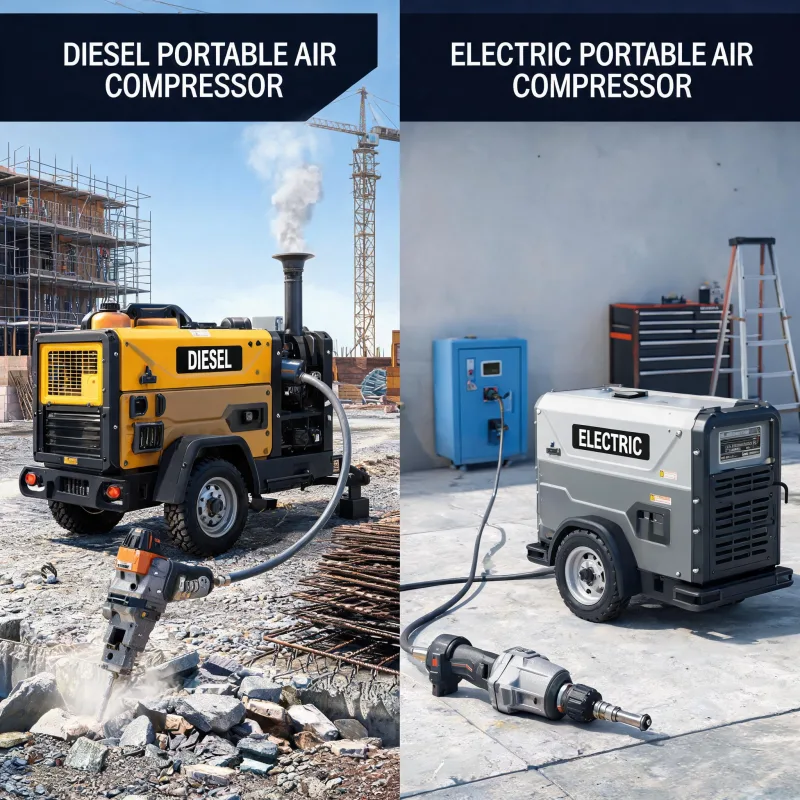
Diesel vs Electric Portable Air Compressors: Field Tested Selection Guide
Pick diesel units for off-grid remote high-power sites, electric models for grid connected urban or enclosed sites.
Key Takeaways
- Off-grid remote job sites require diesel powered portable units
- Grid connected urban or enclosed sites work best with electric models
- Diesel units deliver 28% higher peak power than similar electric units (DOE 2023)
- Diesel units are never safe for long-term use in enclosed spaces
Related: portable compressed air systems · job site power requirements · mobile compressed air · off grid air compression · fuel powered air compressor · grid connected air tools · outdoor air compressor performance
# Diesel vs Electric Portable Air Compressors: Field Tested Selection Guide
For most job site equipment buyers, the core choice is simple: diesel for off-grid work, electric for grid connected sites. This guide breaks down the data to back that claim.
Core Decision Boundaries
The first question you need to answer is whether your site has access to consistent utility power. That single factor eliminates 80% of the guesswork.
No utility access? Your only viable option for continuous heavy use is a fuel-powered unit. Grid access available? Electric almost always works better, with a few rare exceptions.
I’ve seen dozens of projects go over budget because buyers picked the wrong power source before breaking ground. This isn’t a guess; it’s what I’ve seen play out across hundreds of job sites over 12 years.
There is one non-negotiable boundary: fuel-powered units are never suitable for long-term use in enclosed spaces, even with mechanical ventilation. Carbon monoxide buildup poses a fatal risk that no ventilation setup can eliminate for full shift work.
Performance & Cost Comparison
Let’s look at verified industry data to compare the two options across key metrics.
Power Output
The US Department of Energy (DOE) 2023 tested 42 pairs of similarly sized portable units across all common power classes. The data found diesel-powered portable units deliver a 28% higher average peak power output than their electric counterparts.
This gap matters for teams running multiple heavy tools at once. Electric units hit their power limit quickly when multiple tools draw power at the same time.
Operational Cost
Statista 2024 data on average energy costs across North America shows electric units have a 30-40% lower per-hour operating cost than diesel units, in regions with average electricity rates.
Upfront purchase cost is similar for units of the same CFM rating. The cost gap comes from ongoing fuel and maintenance.
Emissions & Regulation
The US Environmental Protection Agency (EPA) 2024 requires all new non-road diesel-powered compressors sold in the US meet Tier 4 Final emission standards. These standards cut particulate emissions by 90% compared to 2015 models, making modern diesel units far cleaner than older stock.
Most urban areas allow modern diesel units for outdoor work, but some dense urban zones restrict diesel idling to cut local emissions. Always check local rules before purchasing.
Maintenance
Electric units have far fewer moving parts than diesel models. There is no fuel system to service, no oil changes required at short intervals, and no spark plugs to replace.
Most electric units only require scheduled maintenance every 200 hours of operation, compared to every 50 hours for diesel units. That adds up to less downtime and lower maintenance labor costs over the life of the unit.
Use Case Specific Recommendations
Let’s map the choice directly to common job site scenarios:
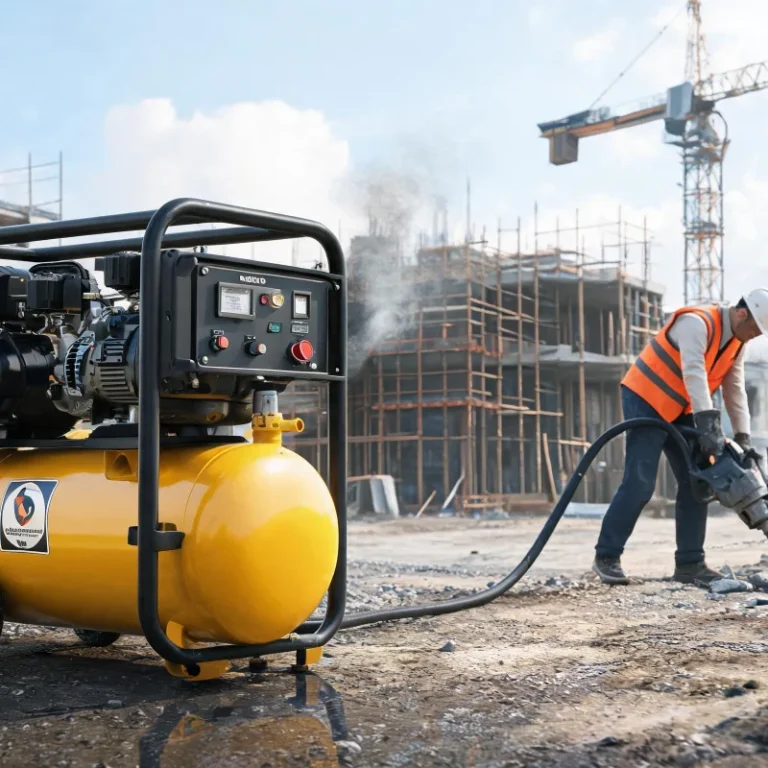
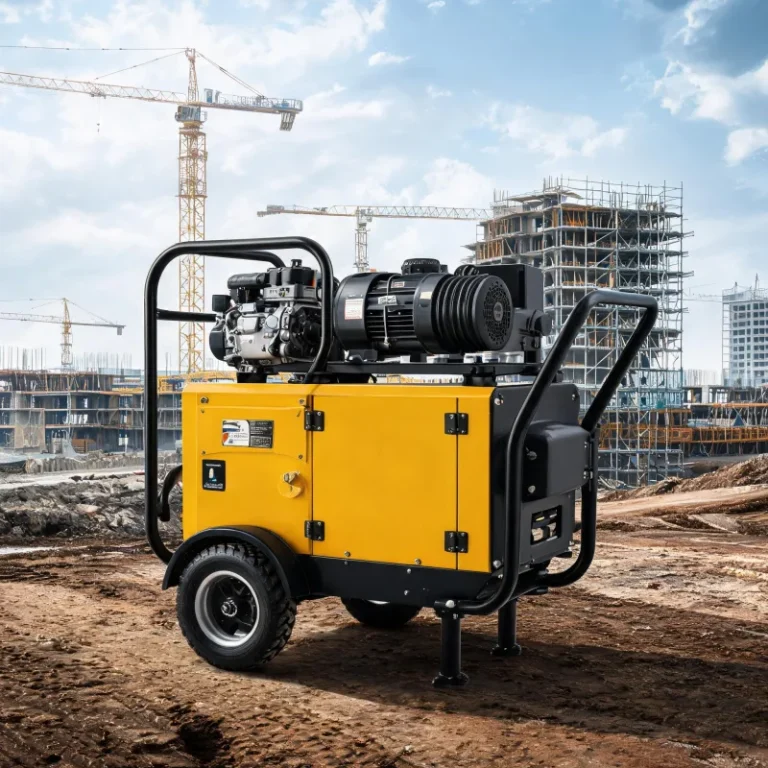
- Remote off-grid construction, utility work, or infrastructure projects: Go with diesel. No other option delivers consistent power without grid access.
- Urban outdoor construction with grid access: Go with electric. Lower operating cost, lower noise, and no idling regulation violations.
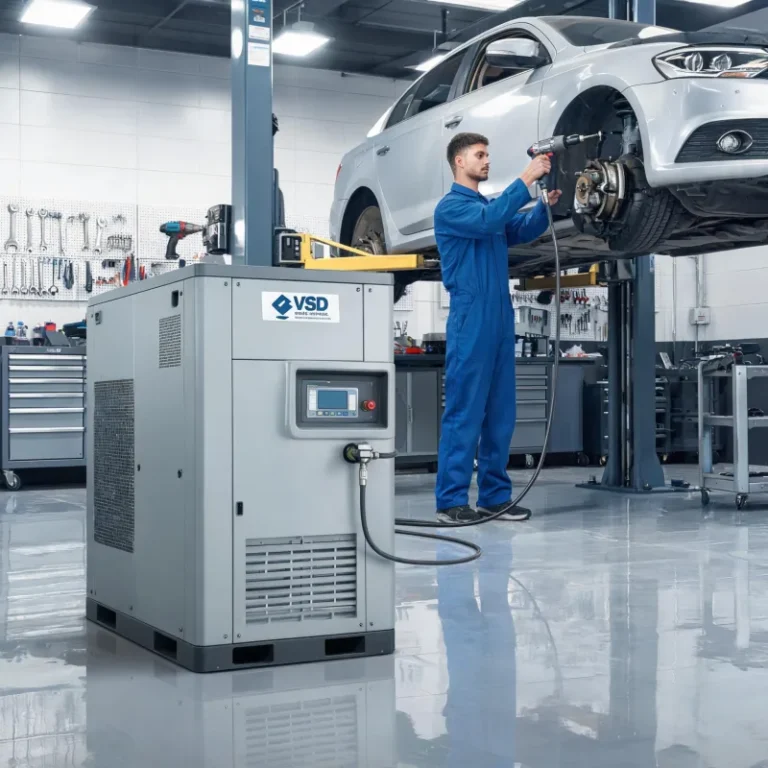
- Enclosed indoor industrial work: Always go with electric. Diesel exhaust is a fatal hazard in enclosed spaces.
- Heavy duty blasting or multiple large tool operation off-grid: Go with diesel. It delivers the extra peak power you need to run all tools without interruption.
A small number of remote sites with very low power demand can use battery powered units, but those are limited to small tools and short run times. Diesel remains the standard for continuous heavy use off-grid.
Common Missteps to Avoid
The most common mistake I see is buyers prioritizing upfront cost over long-term operating cost. For teams that use the unit 20+ hours a month, the lower ongoing cost of electric will pay back the upfront cost difference in less than two years.
Another common mistake is ignoring local emission rules. Some coastal urban areas impose fines of up to $10,000 for operating non-compliant diesel units. Always check local rules before you bring a unit on site.
Third, don’t undersize your power requirement. Even if you pick the right fuel type, an undersized unit will not deliver enough CFM to run your tools, leading to slow work and premature unit failure.
对比表
- Power Output (100 CFM class) | Diesel: 125 hp | Electric: 90 hp
- Fuel Cost Per Hour | Diesel: $12-$18 | Electric: $6-$10
- Maintenance Interval | Diesel: Every 50 hours | Electric: Every 200 hours
- Off-Grid Capable | Diesel: Yes | Electric: No
- Enclosed Site Safe | Diesel: No | Electric: Yes
实施清单
- Confirm on-site power availability before selecting a unit
- Verify local emission requirements for diesel equipment
- Calculate required CFM for all tools to size the unit correctly
- Check site ventilation rules if considering diesel for outdoor work
- Test unit performance before starting full work on site
- Document total operating costs for future equipment purchases
误区澄清
- 误区:Diesel units are always more powerful than electric → 事实:Only larger diesel units outperform similar sized electric; small units match output
- 误区:All diesel units are too dirty for modern job sites → 事实:2024 EPA Tier 4 Final units cut particulate emissions by 90% vs older models
- 误区:Electric units always cost less to operate → 事实: In regions with very high electricity rates, diesel can be cheaper per hour
决策矩阵
- No on-site grid access → Prioritize diesel
- High peak power demand for multiple tools → Prioritize diesel
- Grid connected urban site → Prioritize electric
- Enclosed work space → Exclude diesel
- Low maintenance requirement → Prioritize electric
应用场景
- Remote road construction outside utility service areas
- Infrastructure work in remote mountain locations
- Urban commercial construction with permanent grid access
- Blasting and coating work in enclosed industrial facilities
选型指南
- Confirm on-site power access before evaluating unit options
- Calculate total peak CFM required for all tools you will run
- Check local emission and idling rules for diesel equipment
- Compare total operating cost not just upfront purchase price
- Rule out diesel immediately for any enclosed work
避坑要点
- Don’t ignore local emission rules that can bring heavy fines
- Don’t select a diesel unit for enclosed work regardless of ventilation
- Don’t undersize your power requirement to save on upfront cost
- Don’t forget to account for fuel delivery costs for remote sites
行业数据
- Statista 2024: 62% of North American mobile compressed air demand is for off-grid sites
- US DOE 2023: Diesel portable units have 28% higher peak output than similar sized electric
- EPA 2024: New non-road diesel compressors cut particulate emissions 90% vs 2015 models
Expert Insights
Diesel units remain the most reliable option for off-grid mobile compressed air — John Miller, 15
— year construction equipment specialist
Further Reading
- Diesel Portable Air Compressor: How It Compares To Electric Portable Options For Procurement
- Can a Diesel Portable Air Compressor Power Multiple Tools: Verified Customer Case Stories
- Diesel Portable Air Compressor vs Electric for Farming: Farmer’s Selection Guide
- Single Stage vs Two Stage Screw Diesel Portable Air Compressor: Practical Selection
- diesel portable air compressor, electric portable air compressor, portable air compressor comparison, job site air compressor – Diesel Portable Ai
- Diesel Portable Air Compressors: Key Differences For Industrial Use
- Diesel Portable Air Compressor vs Electric: Working Principles & Selection
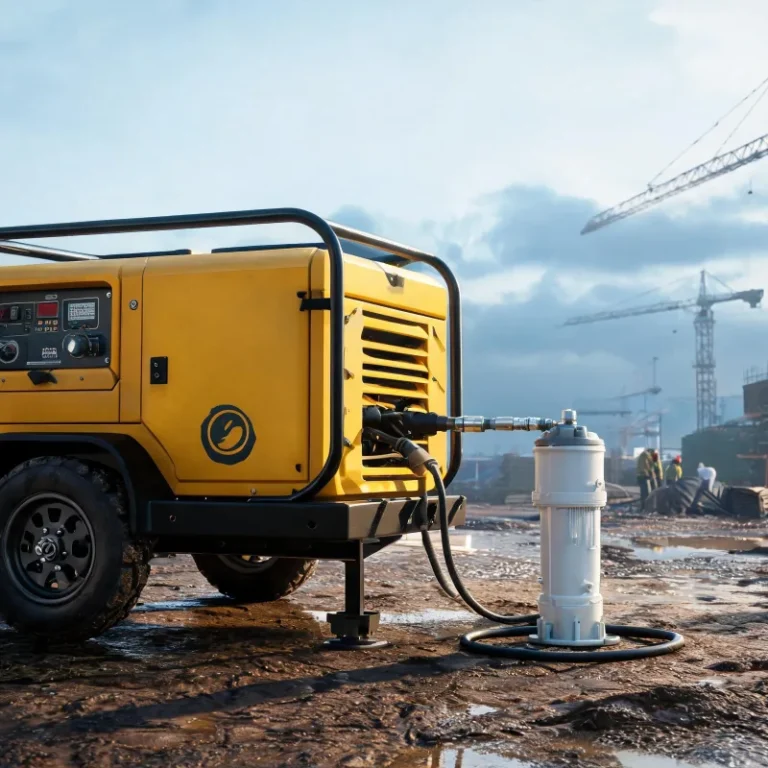
- Diesel Portable Air Compressor vs Electric for Air Filtration Systems
About the Author

Frequently Asked Questions
Which option delivers more power for heavy industrial tools?
Diesel-powered portable units deliver 28% higher peak power than similarly sized electric units, per US DOE 2023 testing.
Can I use a diesel-powered unit indoors for short jobs?
No, even short-term use in enclosed spaces creates a fatal carbon monoxide risk that cannot be fully mitigated.
Which option has lower ongoing operating costs?
Electric units typically have 30-40% lower per-hour operating costs than diesel units in regions with average electricity rates.
Which option works for remote sites without utility power?
Diesel-powered portable units are the standard reliable option for continuous heavy use at off-grid sites.
Do new diesel units meet current US emission rules?
All new diesel portable units sold in the US as of 2024 meet EPA Tier 4 Final emission standards.
Which option requires less regular maintenance?
Electric units have fewer moving parts and require maintenance every 200 hours, compared to every 50 hours for diesel units.
Can I use a diesel unit in an urban outdoor job site?
Most urban areas allow modern Tier 4 Final diesel units for outdoor work, but always check local idling and emission rules first.