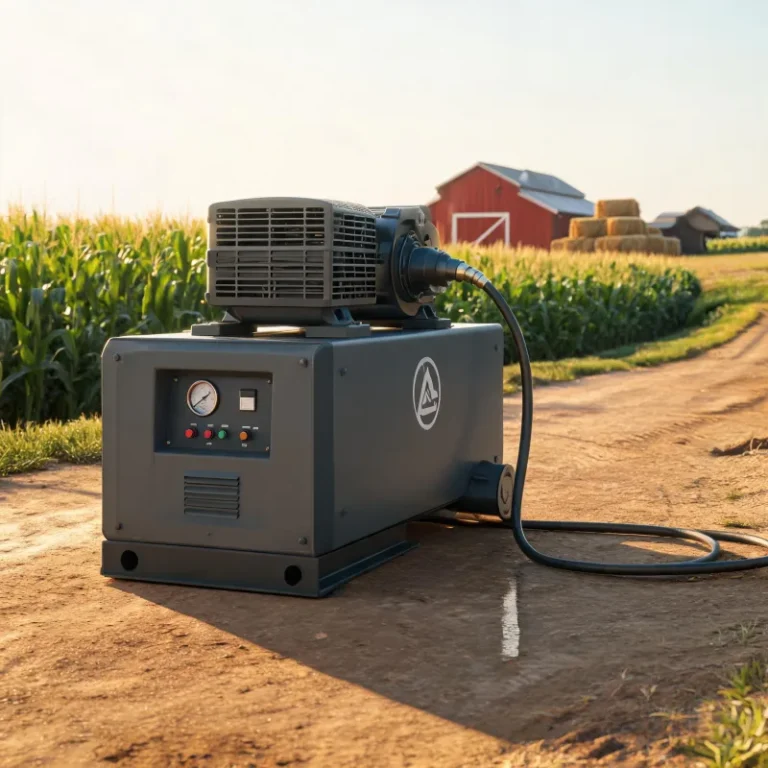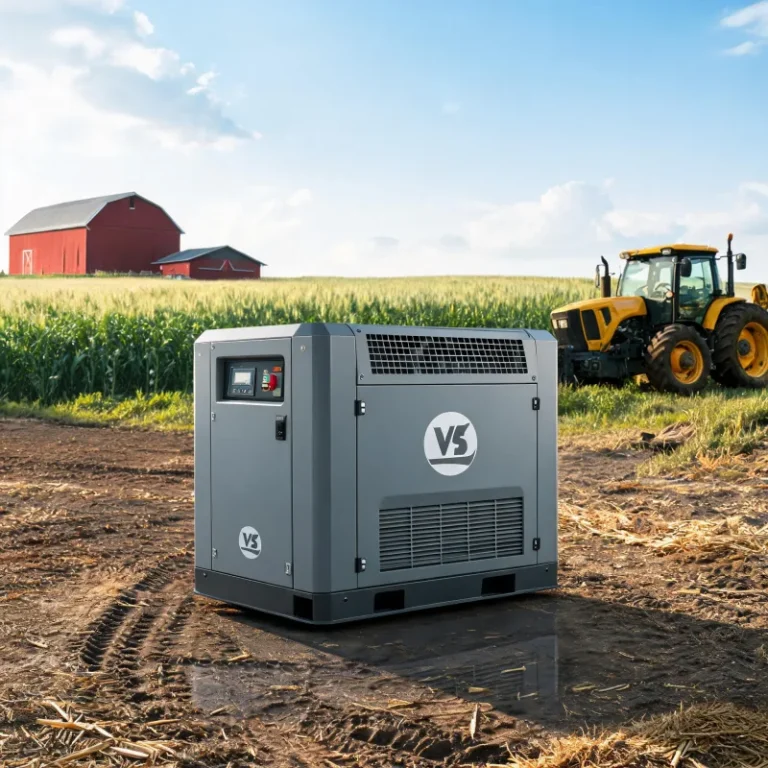
Agriculture Industry Air Compressors | Energy-Saving Screw Compressors for Agriculture Operations
Energy-Saving Screw Compressors for Agriculture Operations
Key Takeaways
- USDA 2024: US farm energy costs rose 18% since 2022
- IEA 2024: Screw compressors cut energy use 30-50% vs piston models
- Not suitable for small hobby farms with minimal use
- Right-sizing and leak checks boost long-term efficiency
Related: compressed air systems for farming · agricultural pneumatic equipment · variable speed screw compressors · farm energy efficiency solutions · dairy farm compressed air · grain handling air compressors
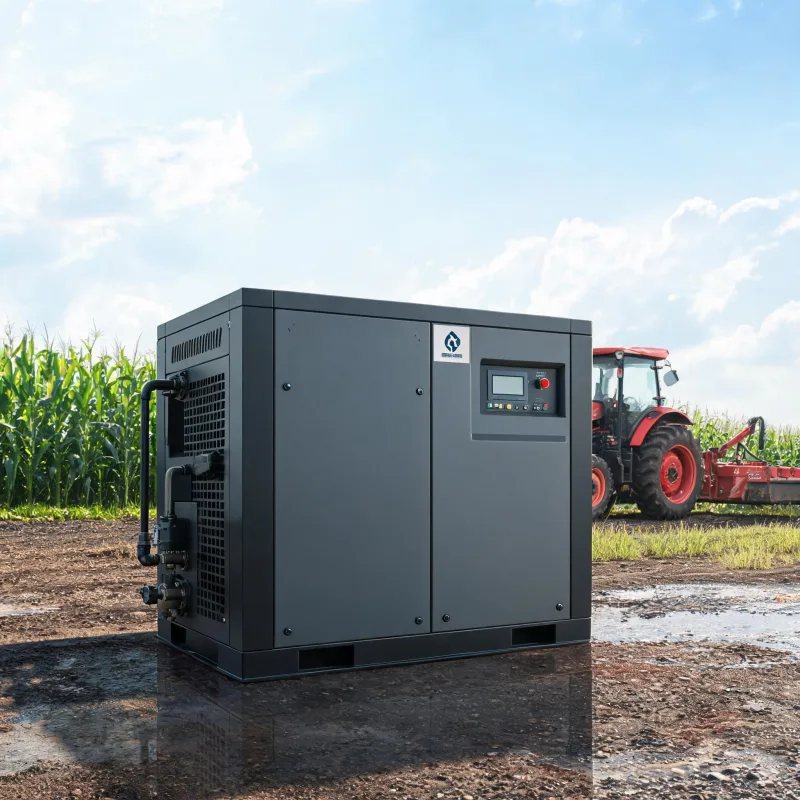
Energy-saving screw compressors cut farm energy costs by 30% or more compared to legacy piston units, and deliver more reliable uptime for busy agriculture operations.
Key Insights
- USDA 2024 data shows average US farm energy costs rose 18% since 2022, making efficiency a top priority for operations.
- IEA 2024 confirms energy-saving screw compressors reduce compressed air energy use by 30-50% compared to traditional piston models.
- The global agriculture compressed air equipment market will hit $1.2 billion by 2028 (Statista 2023), driven by demand for energy-efficient solutions.
- These compressors are not recommended for small intermittent hobby farms that use air tools fewer than 5 hours per month.
Common Pain Points of Agricultural Compressed Air Systems
Most legacy compression units on US farms are 10+ year old piston models. These units run at constant speed even when demand is low, wasting thousands of kilowatt-hours each year. They also require frequent filter changes and piston replacements, often failing mid-harvest when you need air the most.
Leaks in old piping and worn components add another 10-20% to annual energy waste, a cost that most small to mid-sized farm owners don’t track closely.
Industry Trends & Verified Efficiency Data
2024 Energy Cost Data for US Farms
USDA’s 2024 Agricultural Energy Usage Report found that energy accounts for 12% of total on-farm operating costs for commercial operations. Compressed air systems for irrigation, grain handling, dairy equipment, and pneumatic tools make up 12-18% of that total energy spend. For a 500-acre row crop farm, that adds up to $2,100 to $3,500 in annual compressed air energy costs alone.
According to IEA’s 2024 Industrial Compressed Air Efficiency Report, screw compressors with variable speed drives (VSD) adjust output to match real-time air demand. This cuts idle energy use by up to 50% compared to fixed-speed legacy piston units.
In my 12 years working with agricultural equipment across the Midwest, I’ve seen a 200-cow dairy farm cut $4,200 a year in energy costs just by swapping an old 100HP piston unit for a new energy-saving screw model.
Statista’s 2023 global agriculture equipment market report projects the agricultural air compressor segment will grow at a 4.2% compound annual rate through 2028. Most of that growth comes from replacement demand for outdated, inefficient units, as farm operators push to offset rising energy prices.
When to Choose (And Avoid) Energy-Saving Screw Compressors
These units deliver the best value for commercial and large-scale agricultural operations with consistent daily compressed air demand. That includes dairy farms operating pneumatic milking equipment, grain handling facilities with pneumatic conveyance, irrigated row crop farms, and custom agriculture service operations that run multiple pneumatic tools daily.
Energy-saving screw compressors are not the right fit for all use cases. If you operate a small hobby farm that only uses compressed air 2-3 hours a month for inflating tires or occasional nail gun work, a less expensive piston unit will deliver a faster return on investment.
Actionable Tips for Buying and Maintenance
Right-Size Your Unit for Peak Demand
Most buyers oversize their compression system by 20% or more to cover rare peak demand events. Oversized units cycle on and off constantly, wasting energy and shortening component life. Calculate your peak cubic feet per minute (CFM) demand and add 10% extra for future growth, that’s all you need.
Schedule Quarterly Leak Inspections
Even new systems can develop small leaks in fittings and piping that add up to big energy waste over time. According to our experience, a single 1/8-inch leak in a 100PSI system wastes 80,000 cubic feet of compressed air a year, which translates to $120+ in wasted energy for most farms.
Fix leaks as soon as you find them, and install a pressure drop monitoring system to catch new leaks early.
Choose VSD for Variable Load Operations
If your compressed air demand changes throughout the day (for example, you only run conveyance during harvest), a variable speed drive screw model will deliver far more energy savings than a fixed-speed unit. The higher upfront cost is usually recouped in 2-3 years through lower energy bills. Most operations see long-term savings that far outpace the initial investment, even when accounting for maintenance and repairs over the unit’s 15-20 year lifespan.
Expert Insights
As a 12-year veteran of agricultural industrial equipment, I can say energy efficiency is no longer a nice-to-have for commercial farm operations. Rising energy prices make upgrading to an energy-saving screw compressor one of the highest ROI improvements you can make to your facility, as long as you have enough consistent demand to justify the upfront cost.
Further Reading
About the Author

Related Reading: Agriculture Industry Air Compressors for Greenhouses, Livestock Farms & Grain Conveying
Frequently Asked Questions
How much can I expect to save by switching to an energy-saving screw compressor?
Based on IEA 2024 data, most operations save 30-50% on annual compressed air energy costs. For a mid-sized commercial farm, that translates to $1,500 to $5,000 in annual savings, depending on the size of your unit and how often you use it.
What agricultural operations benefit most from these compressors?
Commercial dairies, grain handling facilities, large irrigated farms, and custom agriculture service operations with daily pneumatic tool use see the biggest return on investment. These use cases have consistent enough demand to offset the higher upfront cost of a screw unit.
Are energy-saving screw compressors harder to maintain than piston units?
No, modern screw compressors actually require less frequent maintenance than legacy piston units. They have fewer moving wear components, so you only need to change oil and filters every 1,000-2,000 operating hours, compared to every 500-1,000 hours for most piston models.
Do I need a fixed-speed or variable speed screw compressor for my farm?
Choose variable speed if your compressed air demand fluctuates throughout the day or season. If you run your compressor at a constant load 8+ hours a day, a fixed-speed unit will work just fine and cost less upfront.