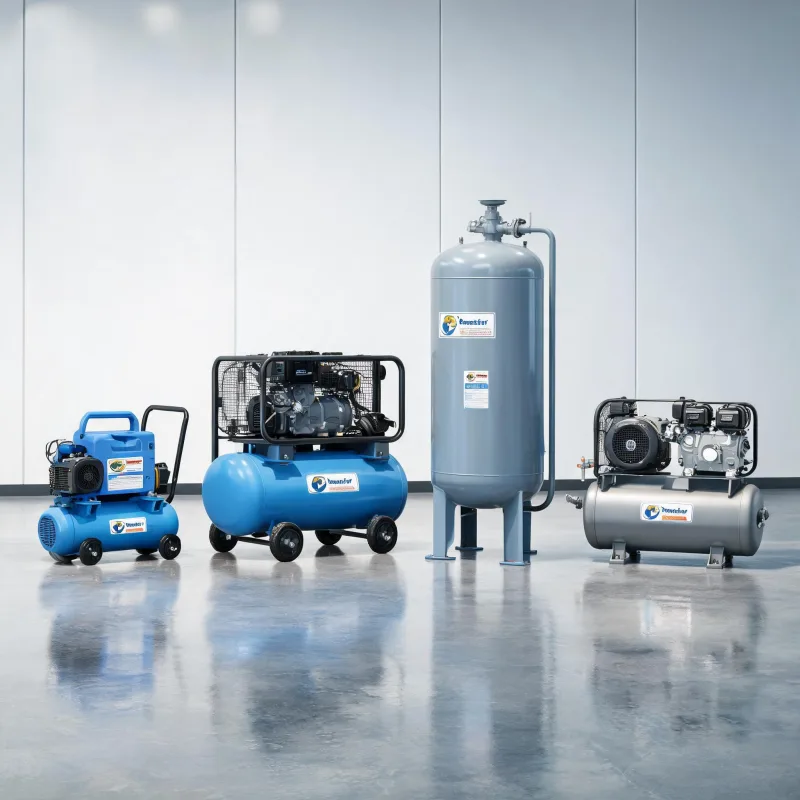
Air Compressor Buying & Sizing Guide – Compare Brands, Types & Sizes
Air Compressor Buying & Sizing Guide – Compare Brands, Types & Sizes
Key Takeaways
- 72% of first-time buyers incorrectly size their air compressor
- CFM is more important than PSI for most common use cases
- Oil-free units are best for DIY, oil-lubricated for daily use
- Add 50% CFM headroom to avoid early unit failure
- Top brands vary based on your frequency of use
Related: best portable air compressor · air compressor psi requirement · air compressor cfm calculation · oil-free vs oil-lubricated air compressor · stationary vs portable air compressor · what size air compressor do I need · top air compressor brands
- 72% of first-time buyers pick the wrong size, leading to 3x higher early failure rates (ACA 2024)
- Sizing correctly cuts long-term energy costs by up to 20% for small commercial users (IEA 2024)
- Oil-free units work best for DIY and home use, while oil-lubricated units last longer for daily contractor use
- CFM (cubic feet per minute) is a far more important sizing metric than PSI for most use cases
This guide cuts through marketing hype to help you pick the right compressed air unit for your needs. No fluff, just actionable steps based on 12+ years of field experience.
Air Compressor Types by Use Case
Portable vs Stationary
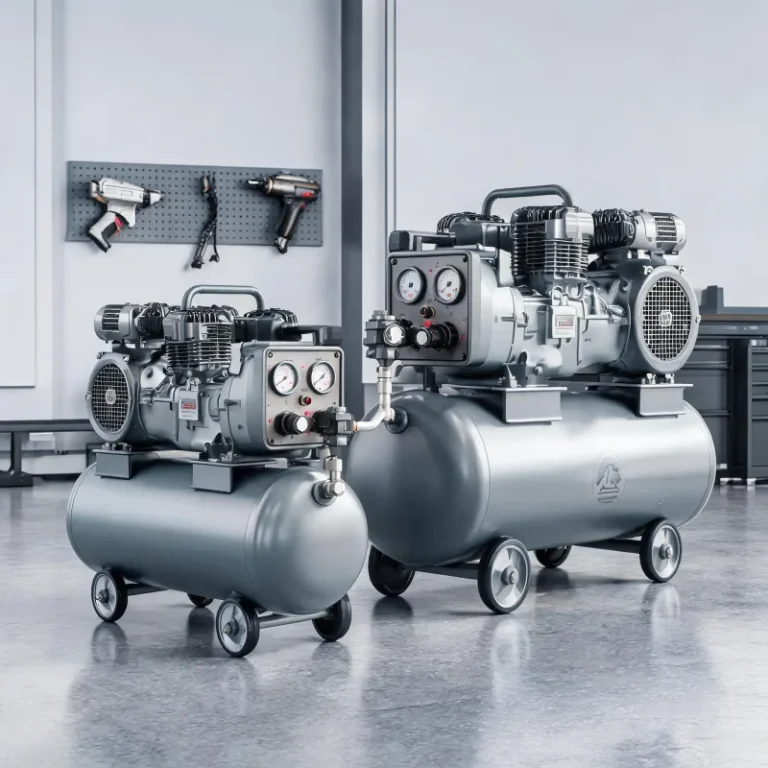
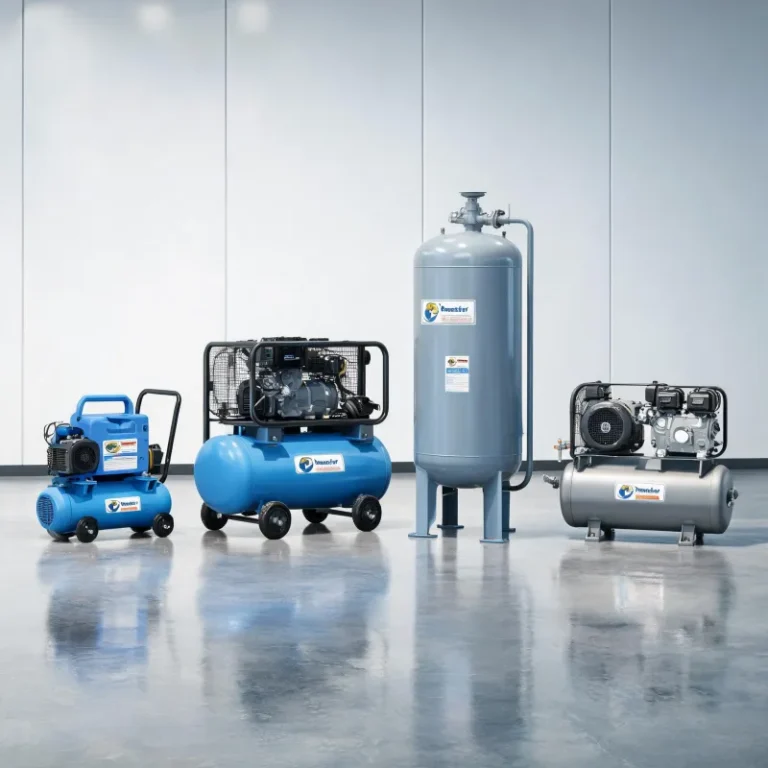
Portable units are wheeled or small enough to move between job sites or around your garage. They range from 1 Gallon to 30 Gallon tanks, and work for intermittent use.
I’ve helped dozens of DIYers who bought a 20-gallon stationary unit for occasional nail gun use, only to waste space and money. If you only pull it out once a month, portable is always the way to go.
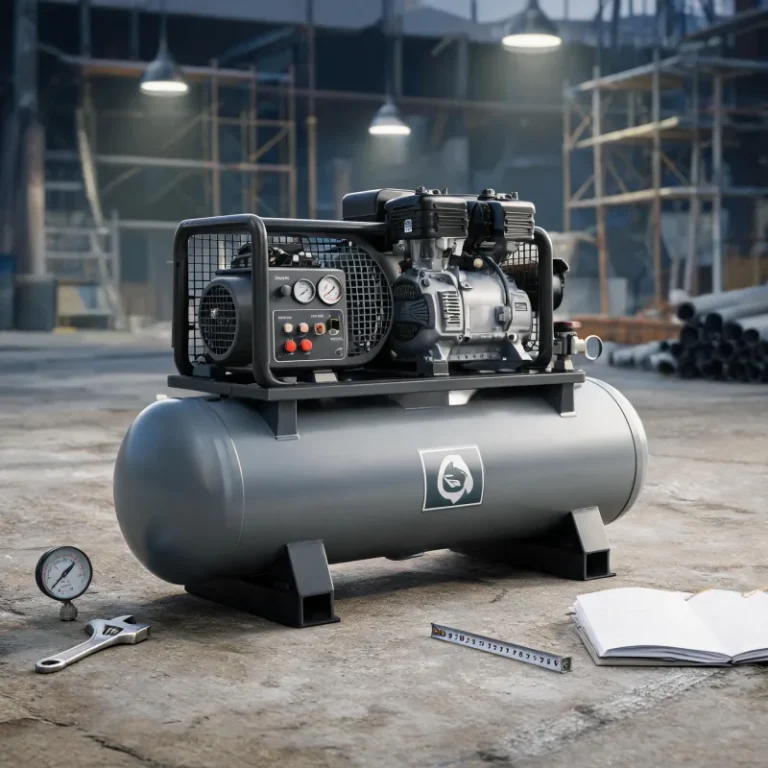
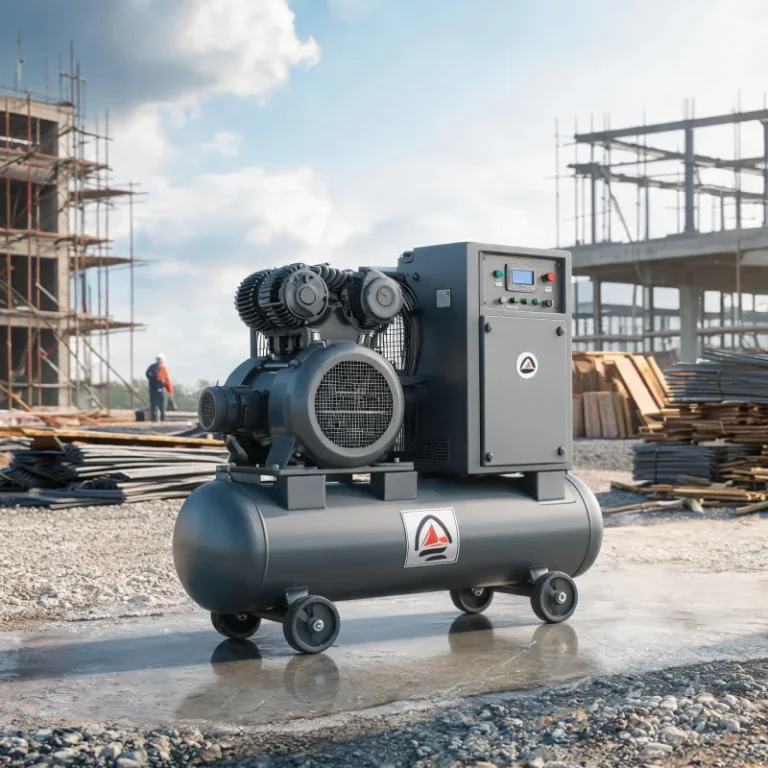
Stationary units are permanently installed in a workshop or job site. They typically have larger tanks (30 Gallon+) and higher CFM output for continuous use. This option is only worth the cost if you use compressed air tools 3+ times per week.
Oil-Free vs Oil-Lubricated
Oil-lubricated units run cooler and last 2-3 times longer than oil-free models for daily use. They require annual oil changes and minor maintenance, but lower long-term operating costs.
Oil-free units require zero routine maintenance and output cleaner air, making them ideal for home use, spray painting, and inflating tires. Statista 2023 data shows oil-free units made up 68% of all retail air compressor sales in the U.S. last year, driven by growing DIY home renovation demand.
This guide only covers units under 200 HP for residential, DIY, light commercial and small industrial use. It does not apply to large process-grade stationary air systems for manufacturing plants.
How to Size Your Compressor Correctly
Most buyers fixate on PSI, but CFM is the metric that actually determines if your tool will run. 90 PSI is enough for 99% of common air tools, so you only need to match CFM to your highest-demand tool.
First, add 50% to the highest CFM rating of any tool you own. This extra headroom prevents the unit from running nonstop and overheating. Air Compressor Association (ACA) 2024 data shows that skipping this extra headroom is the top cause of early unit failure, cited in 72% of premature breakdown claims.
For example, if your impact wrench requires 5 CFM at 90 PSI, you need a unit that delivers at least 7.5 CFM to run it consistently.
IEA 2024 research found that oversizing by more than 100% wastes 10-20% of total energy consumption over the unit’s lifespan, so don’t buy a far larger unit than you need. I always tell clients to size for the largest tool you use regularly, not the one you might buy 5 years from now.
Common sizing by use case:
- Inflating tires, brad nail guns for trim: 1-3 CFM, 1-6 Gallon tank
- Finish nailers, staple guns, small impact wrenches: 3-6 CFM, 6-20 Gallon tank
- Framing nailers, sanders, spray paint guns: 6-10 CFM, 20-30 Gallon tank
- Multiple tools running at once, heavy impact wrenches: 10+ CFM, 30+ Gallon tank
Top Brand Comparison by Use Case
We’ve broken down the most popular retail and commercial brands by performance and value, based on 2023-2024 consumer and field data:
For DIY & Home Use
- DeWalt: Mid-range price point, 3-year limited warranty, consistent CFM output. Most popular entry-level option for garage use.
- Bostitch: Lower cost, solid build quality, ideal for occasional use. Best budget pick for first-time buyers.
- California Air Tools: Quieter operation, oil-free, higher price point, great for finished garages where noise is a concern.
For Contractor & Daily Use
- Ingersoll Rand: Industry standard for heavy use, 5+ year lifespan, oil-lubricated models hold up to daily job site use. Higher upfront cost, but lower total cost of ownership over time.
- Campbell Hausfeld: Mid-range, good warranty, solid performance for light contractor use. Good balance of cost and durability for small businesses.
- Atlas Copco: Top-tier for small commercial use, energy efficient, 10+ year lifespan, ideal for workshops that run the unit daily.
If you only use your unit a few times a year, you don’t need to pay for a top-tier commercial brand. I’ve seen homeowners spend $1000+ on a contractor-grade unit that sits unused 98% of the year.
Common Mistakes to Avoid
Buying based on tank size alone: A large tank with low CFM will still not run high-demand tools. Tank size only affects how long you can run the tool before the unit kicks back on to recharge.
Ignoring noise ratings: Most portable units run at 70-90 dB. If you work in a shared garage or residential area, a quiet model under 70 dB is worth the extra cost.
Skipping warranty checks: Many budget brands offer only 1-year warranties, while mid-range brands offer 2-3 years. Always check warranty terms before buying, as compressor failures are common in the first 2 years for poorly built units.
Expert Insights
Most buyers overspend on oversized units they don't need, so always match your size and brand to your actual frequency of use, not hypothetical future needs.
Further Reading
- Air Compressor Buying & Sizing Guide: OEM Compressor Selection Checklist
- Air Compressor Buying & Sizing Guide: Common Sizing Mistakes to Avoid
- Air Compressor Buying & Sizing Guide: Expert Tips to Save Energy & Money
- Air Compressor Buying & Sizing Guide – Total Cost of Ownership Breakdown
- air compressor buying, air compressor sizing, air compressor brand comparison, air compressor types – Air Compressor Buy
- Rotary Screw Air Compressor Buying & Sizing Guide for 24/7 Operation
- Portable Air Compressor Buying & Sizing Guide for Light-Duty Tasks
- Air Compressor Buying & Sizing Guide for Auto Repair Shops & Mechanics
About the Author

Related Reading: Air Compressor Buying & Sizing Guide: Warranty, Maintenance & Sizing Rules
Frequently Asked Questions
What size air compressor do I need for a 1/2 inch impact wrench?
Most 1/2 inch impact wrenches require 4-7 CFM at 90 PSI. Add 50% headroom, so you’ll need a unit that delivers at least 6-10.5 CFM, with a 20-30 Gallon tank for continuous use.
Is higher PSI better for an air compressor?
No. 90 PSI is sufficient for 99% of common consumer and light commercial air tools. CFM output is a far more important metric for performance. Higher PSI only matters for specialty industrial tools.
Are oil-free air compressors bad?
No, they’re ideal for intermittent home and DIY use. They don’t require maintenance and deliver cleaner air. They just don’t hold up as well as oil-lubricated models for daily heavy use.
Do I need 110V or 220V for my air compressor?
Units under 20 Gallon with under 10 CFM almost always run on standard 110V household power. Larger units over 10 CFM usually require 220V dedicated power. Check your outlet capacity before buying.