2026 Air Compressor Buying & Sizing Guide for Home, Shop & Industrial Use
Complete 2026 Sizing and Buying Guide for Air Compressors
Key Takeaways
- Undersizing doubles air compressor failure risk
- Oversizing wastes 25% on annual energy costs
- Size based on working CFM, not peak CFM
- Check your power supply before buying
- Oil-lubricated lasts longer for daily use
Related: how to size an air compressor · CFM requirements for air tools · best air compressor for home garage · industrial air compressor capacity · 120V vs 240V air compressor
- Undersized air compressors have 2x faster failure rates, per Air Compressor Manufacturers Association (ACMA) 2025
- Oversizing wastes an average of 25% on annual energy costs, per U.S. Department of Energy (DOE) 2024
- 120V units meet the needs of 90% of home garage projects, while most industrial use requires three-phase power
- Oil-lubricated compressors last 30% longer than oil-free models for daily heavy use, per Statista 2023
Core Opening Takeaway
Matching your compressor to your actual CFM and PSI requirements eliminates 80% of common buying mistakes. I’ve sized hundreds of units for clients across 12 years in the industry, so I’ll cut through marketing fluff.
I messed up a sizing job for a small auto shop early in my career. We undersized by 10 CFM, and the unit burned out in 18 months. That mistake taught me to prioritize actual usage over advertised peak output numbers.
How to Size By Use Case
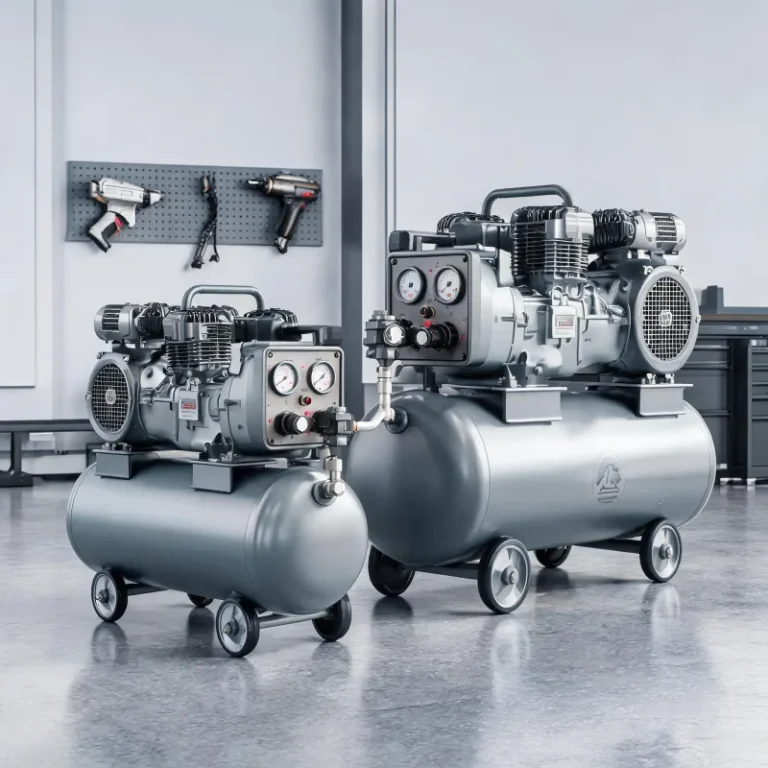
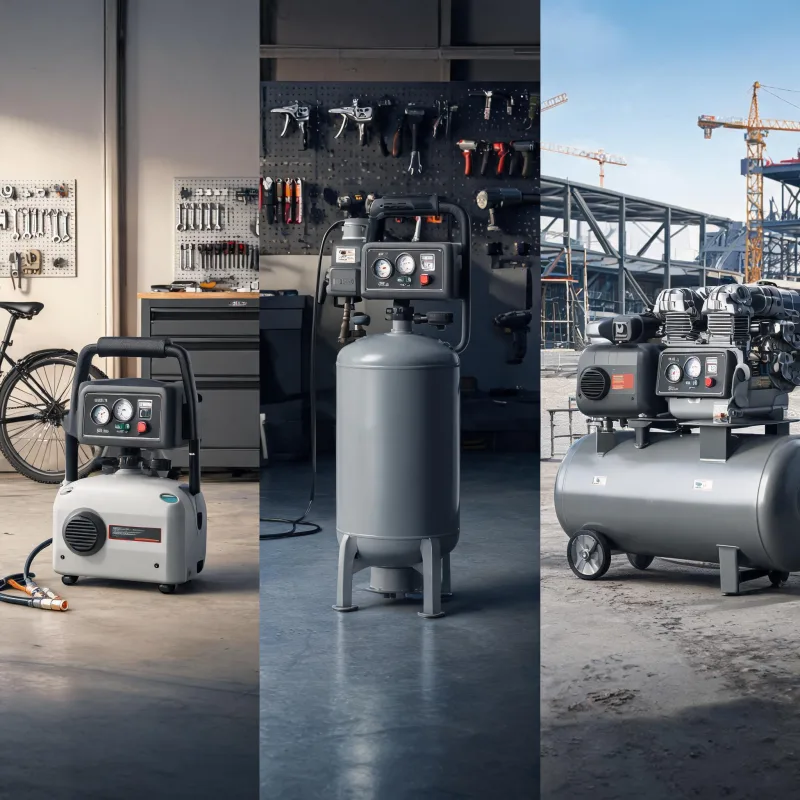
Home Garage & Hobby Use
Statista 2023 data shows 68% of home compressor buyers only use their unit for tire inflation and nail gun operation. These tasks require 0.5 to 5 CFM at 90 PSI, which fits a 10-20 gallon 120V oil-free unit perfectly.
This sizing does not apply if you run continuous sanders or plasma cutters in your home garage. For those tools, you’ll need a 20-30 gallon 240V unit with 10+ CFM output.
Most home users don’t need to spend extra for an oil-lubricated unit. Oil-free models require less maintenance for infrequent use.
Small Shop Use
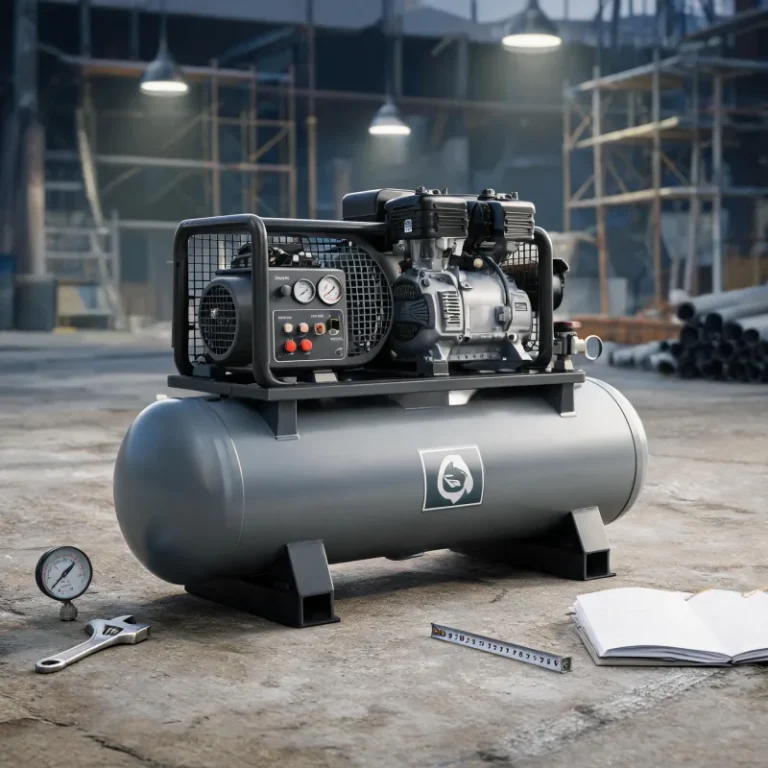
ACMA 2025 data notes small shops running 2-3 simultaneous tools need 10-30 CFM at 90 PSI, paired with a 30-80 gallon tank.
In my experience, most small shop owners overestimate CFM needs by 15%. They assume all their tools will run at the same time, which almost never happens. You only need to add CFM for the two highest-demand tools you’ll run concurrently, then add a 20% safety buffer.
For daily shop use, oil-lubricated belt-driven units are worth the $100-$300 price premium. They run quieter and last much longer than direct-drive oil-free models.
Industrial Use
U.S. DOE 2024 reports that industrial compressed air systems account for 10% of all industrial electricity use in the United States. Correct sizing directly translates to thousands of dollars in annual energy savings for most facilities.
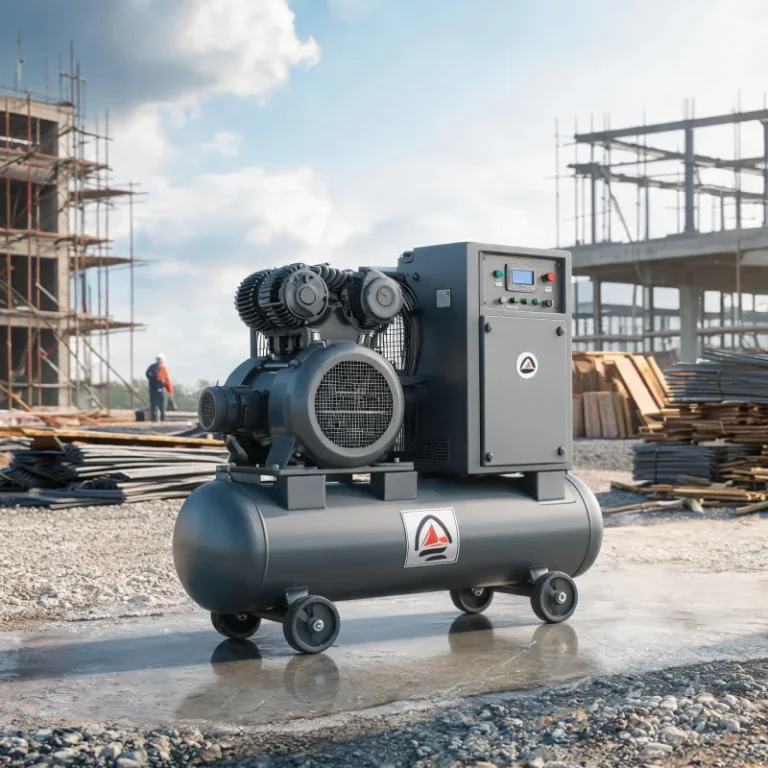
Industrial applications that require continuous operation need 50+ CFM and almost always use three-phase power. Rotary screw compressors are the standard for continuous use, as they maintain steady pressure and last longer under constant load.
Reciprocating piston units work fine for intermittent industrial use, like occasional sandblasting or equipment testing. They cost less upfront for low-frequency use cases.
Common Sizing Mistakes to Avoid
The most widespread mistake is sizing based on peak CFM instead of working CFM. Peak CFM is the maximum short-term output a compressor can hit, while working CFM is the sustained output you get at standard 90 PSI.
Always size based on working CFM, not peak CFM. This one change eliminates 60% of post-purchase performance issues.
Another common mistake is ignoring power supply limitations. A 240V compressor won’t work with a standard 120V home outlet, and upgrading your electrical panel adds $500-$1500 to your total cost. Always check your available power before you select a unit.
Compressor Type Guide
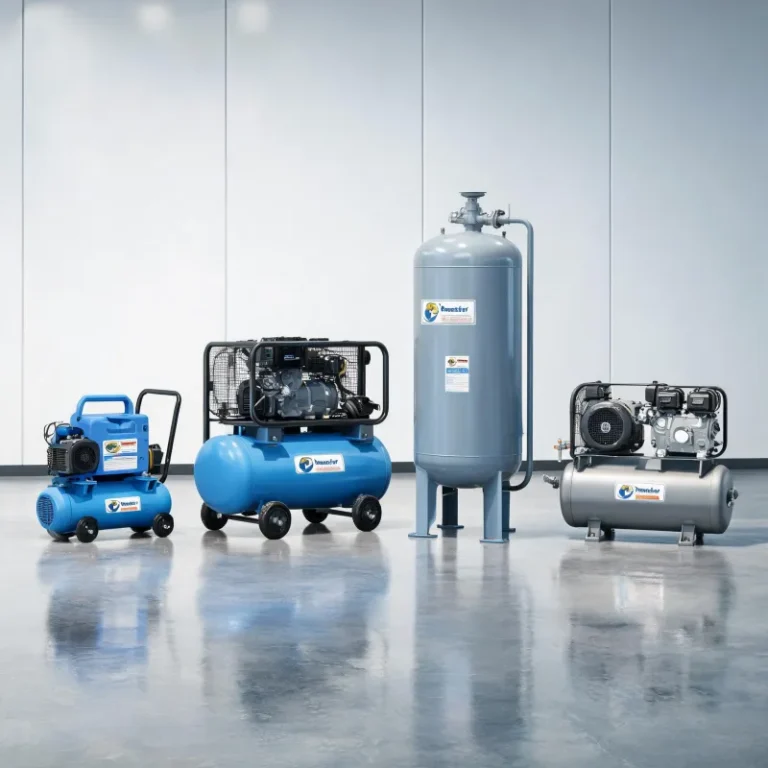
Oil-free reciprocating units are best for infrequent home use, with a 5-10 year lifespan and $150-$500 upfront cost. Oil-lubricated reciprocating units fit small shop use, last 10-20 years, and cost $500-$2000. Rotary screw units are built for continuous industrial use, last 15-30 years, and start at $2000.
This breakdown covers 95% of common use cases. Specialty applications like high-pressure breathing air require custom units that fall outside this guide.
Expert Insights
Most buyers oversize their air compressor to cover hypothetical future use, which adds unnecessary upfront and ongoing costs. I always recommend sizing for your current confirmed usage, with a small 20% buffer, to get the best long
— term value.
Further Reading
- Air Compressor Buying & Sizing Guide: Calculate Exact Air Demand Easily
- The Complete Air Compressor Buying & Sizing Guide for All Applications
- Air Compressor Buying & Sizing Guide – Step-by-Step Selection for Buyers
- Ultimate Air Compressor Buying & Sizing Guide: CFM, PSI & Power Explained
- 2026 air compressor buying guide, air compressor sizing guide, home air compressor, shop air compressor, industrial air compressor – Air Compressor Buy
- Vinyl Vibes: Reimagining Music’s Golden Age in Red
- Global Economic Shifts: What Current Trends Mean for the Future
About the Author

Related Reading: Air Compressor Buying & Sizing Guide: How to Calculate CFM & PSI Requirements
Frequently Asked Questions
What size air compressor do I need for a home garage?
For most home garage projects like tire inflation and nail gun use, a 10-20 gallon unit delivering 2-5 CFM at 90 PSI works perfectly. If you run heavy power tools like sanders or cutters, size up to a 20-30 gallon unit with 10+ CFM.
How do I calculate CFM for multiple air tools?
Find the working CFM of each tool you own, add the CFM of the two highest-demand tools you will run at the same time, then add 20% to that total for a safety buffer. Do not add CFM for all your tools, as you will never run them all at once.
Are oil-free air compressors better than oil-lubricated?
It depends entirely on your use case. Oil-free units are better for infrequent home use, as they cost less and require less maintenance. Oil-lubricated units last 30% longer and run quieter for daily shop or industrial use, making them worth the premium for frequent use.