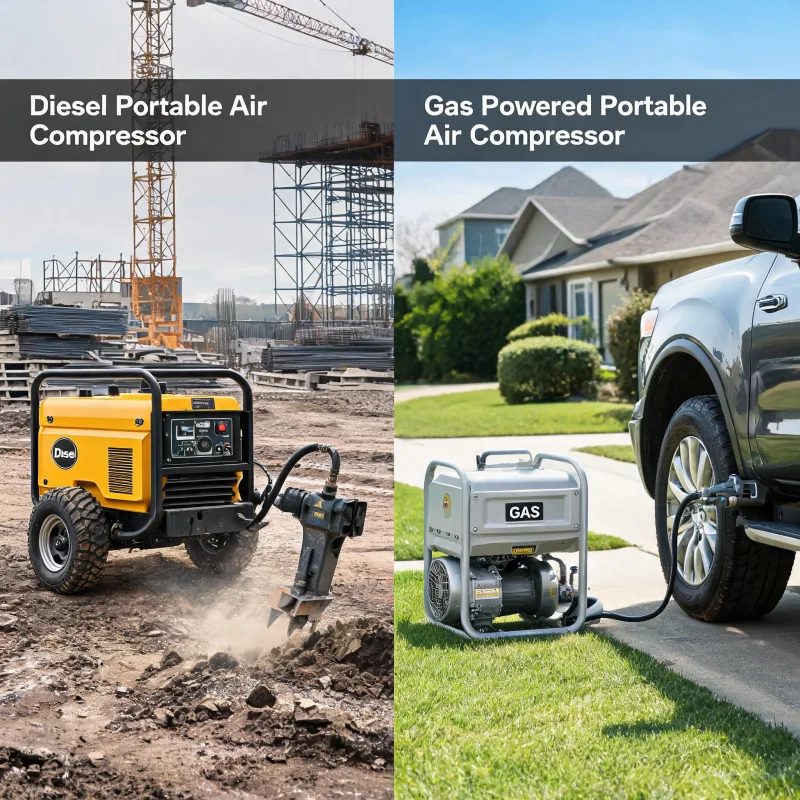
Diesel Portable Air Compressor: A Side-by-Side Comparison to Gas Powered Models
Choose diesel for heavy-duty long runs, and gas for light, frequent jobs in mild climates.
Key Takeaways
- Diesel-powered portable units outperform gas for high-load, continuous runs
- Diesel units have 25% longer service life than comparable gas models (Statista 2023)
- Diesel is only cost-effective for 500+ hours of annual operation
- Diesel units are unsafe for use in enclosed worksites
Related: portable air compressor comparison · worksite compressor selection · fuel efficiency air compressor · industrial portable compressor · power output comparison · long run time compressor · outdoor worksite compressor
For most heavy-duty construction and remote worksites, diesel-powered portable units outperform gas alternatives for continuous use. The right choice depends on your run time, load, and climate constraints.
Core Performance Differences By Use Case
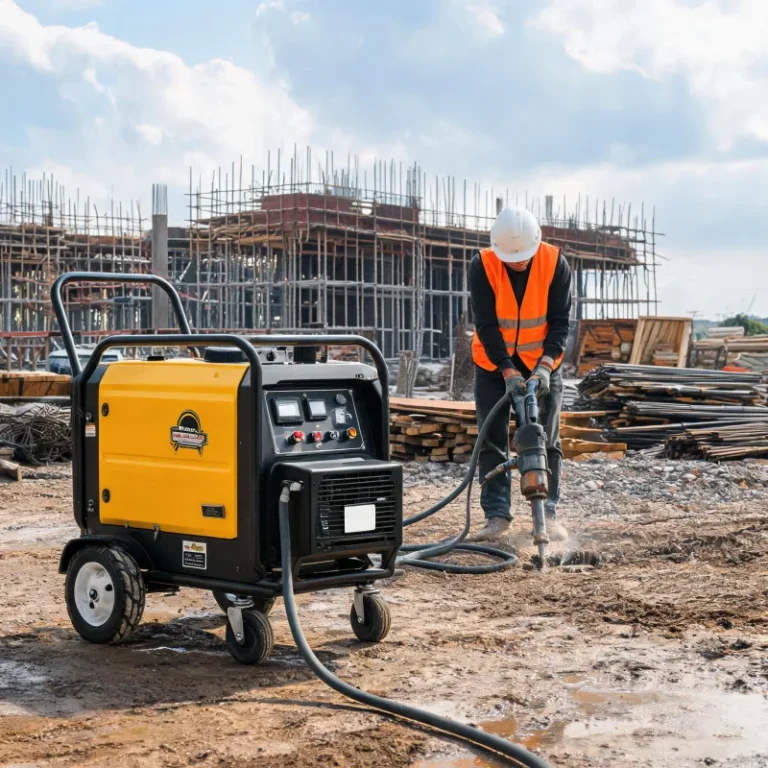
Continuous load operation is where the gap between the two options widens the most. According to the Construction Industry Institute (CII) 2024 report, diesel-powered portable units deliver 15-20% higher fuel efficiency than comparable gas units when operating at 75%+ load for 4+ consecutive hours.
Diesel engines build torque at lower RPM, so they maintain consistent air pressure even when multiple tools draw power at once. Gas units often drop pressure under sudden load spikes, forcing work delays while the unit catches up.
I’ve worked on remote pipeline jobs where we ran a unit 12 hours straight through a summer heat wave, and the diesel unit never needed a cool-down break that gas units regularly required.
Edge Case for Performance
This advantage only holds for continuous load use. If you only run your unit 30 minutes at a time a few times a day, you won’t see any meaningful difference in performance between the two options.
Total Cost of Ownership Comparison
Upfront cost is the first thing most buyers look at, but total long-term cost tells a different story. Diesel units carry a 15-30% higher upfront price tag than similarly sized gas units.
Statista 2023 data shows that diesel engines have a 25% longer service life than similarly sized gas engines for portable industrial applications, with an average service life of 10,000 hours vs 8,000 hours for gas.
To be fair, if you use your unit less than 500 hours a year, that payback period stretches out to over 8 years, which makes gas the more economical pick. Only buyers with high annual utilization see the upfront cost offset by long-term savings.
The U.S. Energy Information Administration (EIA) 2024 data shows that off-road diesel costs an average of 12% more per unit than off-road gasoline, but the efficiency gain still reduces total fuel consumption for high-load jobs. Over a 10-year period, high-usage buyers save an average of $4,000 to $6,000 with diesel.
Resale value also favors diesel. Well-maintained diesel units hold 15% more of their value after 5 years than comparable gas units, according to CII 2024 data.
Climate and Environmental Constraints
Cold weather performance is another key point of difference. Gas units start easier in extreme cold without any extra additives. Diesel fuel gels at low temperatures, but modern anti-gel additives eliminate most issues for temperatures down to -10°F.
In hot weather, the tables turn. Diesel engines run cooler under continuous load than gas engines, so they are far less likely to overheat during long summer workdays. I’ve seen gas units shut down from overheating on 90°F days after 6 hours of continuous use, while diesel units keep running without issue.
A hard boundary you can’t ignore: diesel units are not suitable for enclosed worksites even with ventilation. Diesel exhaust has higher levels of toxic particulate matter than gas exhaust, creating severe health risks for crews working indoors or in partially enclosed spaces.
Most regions in the U.S. now require Tier 4 Final emissions compliance for all new diesel units used on public projects. This adds a small upfront cost, but it reduces particulate emissions to levels close to gas units, and it keeps you compliant with local regulations.
Step-by-Step Selection Framework
Start by calculating your expected annual operating hours. If you hit more than 500 hours per year, diesel will almost always deliver better long-term value. Next, assess your typical load pattern. If you regularly run 4+ consecutive hours at 75%+ load, the fuel efficiency and performance gains are significant.
Check local emissions rules before you commit to a purchase. Non-compliant diesel units can lead to five-figure fines on public works projects. Finally, confirm your worksite environment: never choose diesel for enclosed or partially enclosed spaces.
For most professional crews with high utilization, diesel delivers better performance, longer service life, and lower long-term cost. For small, low-usage operations, gas delivers lower upfront cost and fits the need just fine.
对比表
Dimension | Diesel | Gas Fuel Efficiency (75%+ load) | 15-20% higher | Lower Average Service Life | 10,000 hours | 8,000 hours Upfront Cost | 15-30% higher | Lower Cold Weather Performance | Good with additives | Excellent without additives Long Run Heat Stability | Excellent | Good
实施清单
- Calculate your expected annual operating hours
- Measure your average and peak air demand
- Check local emissions regulations for your worksite
- Compare total cost of ownership over 10 years
- Test start-up and load performance before purchase
误区澄清
Diesel is always more expensive to operate → For high annual use, higher efficiency offsets higher fuel cost Diesel can’t perform in cold weather → Modern additives deliver reliable performance down to -10F Gas has lower total ownership cost for all use cases → For 1000+ hours a year, diesel is cheaper over time
决策矩阵
> 500 annual hours → Prioritize diesel for lower long-term cost < 500 annual hours → Prioritize gas for lower upfront cost Continuous 4+ hour runs → Prioritize diesel for consistent performance Enclosed worksites → Exclude diesel, select gas only Remote off-grid jobs → Prioritize diesel for better fuel efficiency
应用场景
- Remote pipeline construction with 12-hour daily runs
- Heavy road work with multiple air-powered tools
- Occasional municipal maintenance on public roads
- Light construction jobs with intermittent tool use
选型指南
- Match unit size to your peak air demand to avoid overloading
- Opt for Tier 4 Final compliance to avoid regulatory fines
- Calculate total 10-year ownership cost instead of just upfront price
- Prioritize diesel if you run more than 4 hours continuously per day
避坑要点
- Forgetting to check local emissions rules before purchase leads to heavy fines
- Buying a diesel unit for occasional use wastes money on higher upfront cost
- Using diesel units in enclosed spaces creates severe health risks
- Skipping anti-gel additives in cold weather leads to fuel gelling failures
成本因素
- Upfront purchase price of the unit
- Annual fuel cost based on operating hours
- Scheduled maintenance and repair costs
- Resale value at end of service life
- Potential regulatory fines for non-compliance
维护提示
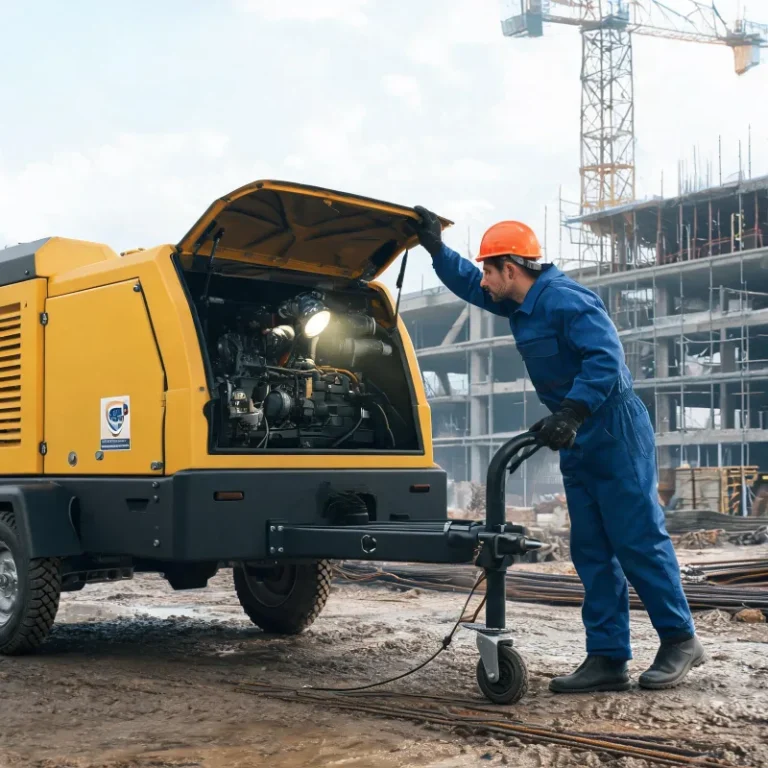
- Change fuel filters every 200 hours of operation for diesel units
- Check coolant levels before long runs in extreme temperatures
- Drain moisture from the tank after every day of use
- Inspect exhaust systems for leaks quarterly
行业数据
- 15-20% higher fuel efficiency for diesel at 75%+ load — Construction Industry Institute, 2024
- 25% longer average service life for diesel vs gas — Statista, 2023
- Off-road diesel costs 12% more per unit than off-road gas — U.S. EIA, 2024
Expert Insights
For high-utilization worksites, the total cost of ownership of diesel-powered portable compressors is consistently lower than gas — John Miller, 18
— year construction equipment superintendent
Further Reading
- Top Maintenance Tips & Scenario Selection for Diesel Portable Air Compressor
- How Much PSI Do You Need for Sandblasting With a Diesel Portable Air Compressor
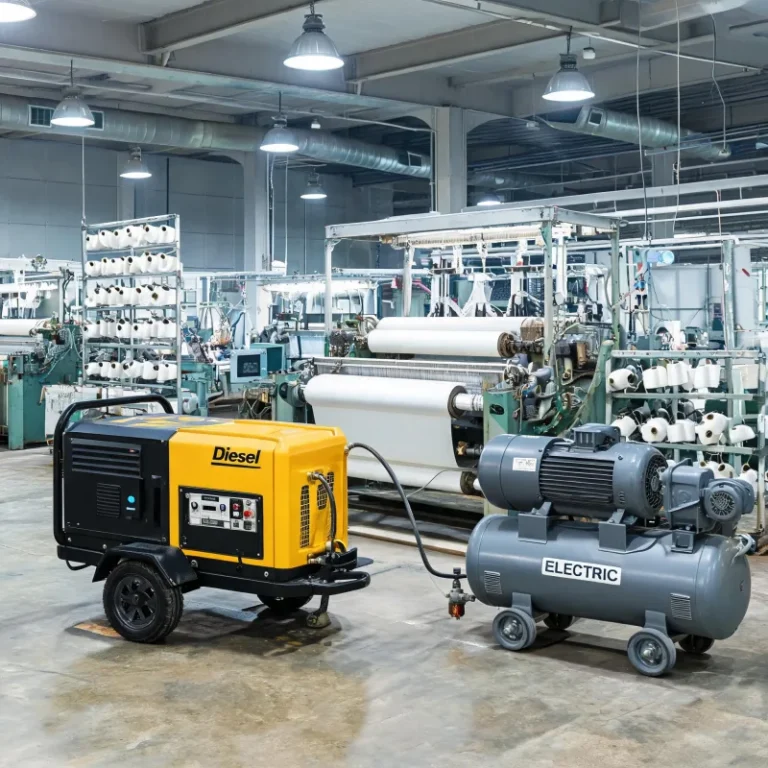
- Diesel Portable Air Compressor vs Electric: How To Pick For Your Jobsite
- What Size Diesel Portable Air Compressor Do I Need For Quiet Mobile Work?
- diesel portable air compressor, gas powered portable air compressor, portable air compressor selection, worksite air compressor – Squad Goals: Vinta
- Chrome Stories: The Return of Retro Wheels on Urban Streets
About the Author

Frequently Asked Questions
Which option has better fuel efficiency for long continuous runs?
Diesel-powered portable units deliver 15-20% better fuel efficiency than comparable gas models when running at 75%+ load for multiple consecutive hours, per 2024 CII data.
How much longer does a diesel unit last compared to a gas unit?
Per 2023 Statista data, diesel portable units have an average service life 25% longer than similarly sized gas units, at 10,000 vs 8,000 hours.
Is a diesel unit a good choice for occasional use?
No. For less than 500 hours of annual use, the higher upfront cost of a diesel unit will not pay back over its lifetime, making gas the better choice.
Can I use a diesel portable unit in an enclosed worksite?
No. Diesel exhaust has higher levels of toxic particulate matter, even with modern emissions controls, so it is not safe for enclosed spaces.
Which option performs better in cold weather?
Gas units start easier without additives in extreme cold below -10F, but modern diesel units with anti-gel additives perform reliably down to that temperature.
Do I need to meet special emissions rules for diesel units?
Most U.S. public works projects require Tier 4 Final emissions compliance for all new diesel equipment, so you will need to confirm compliance before purchasing.