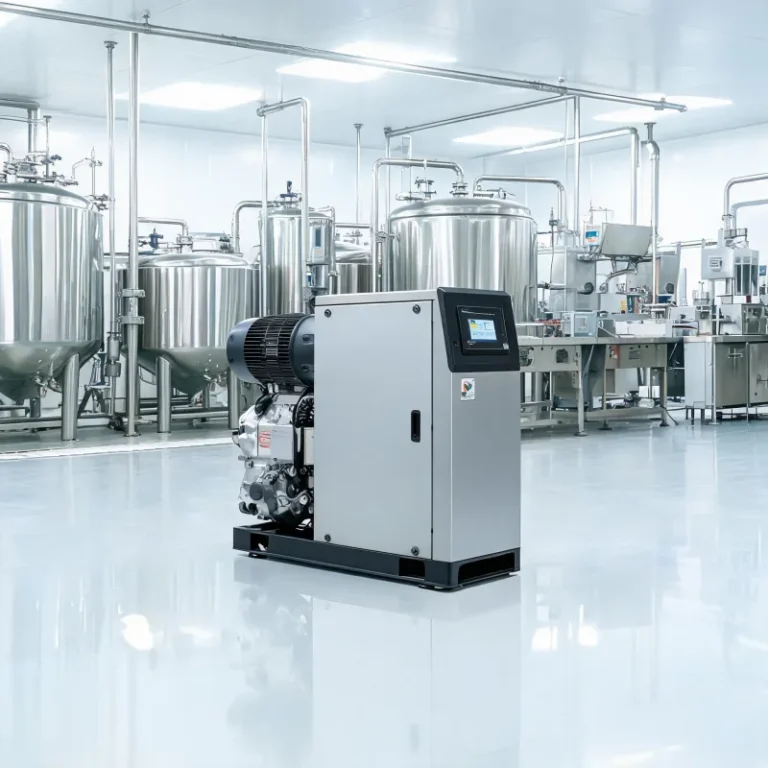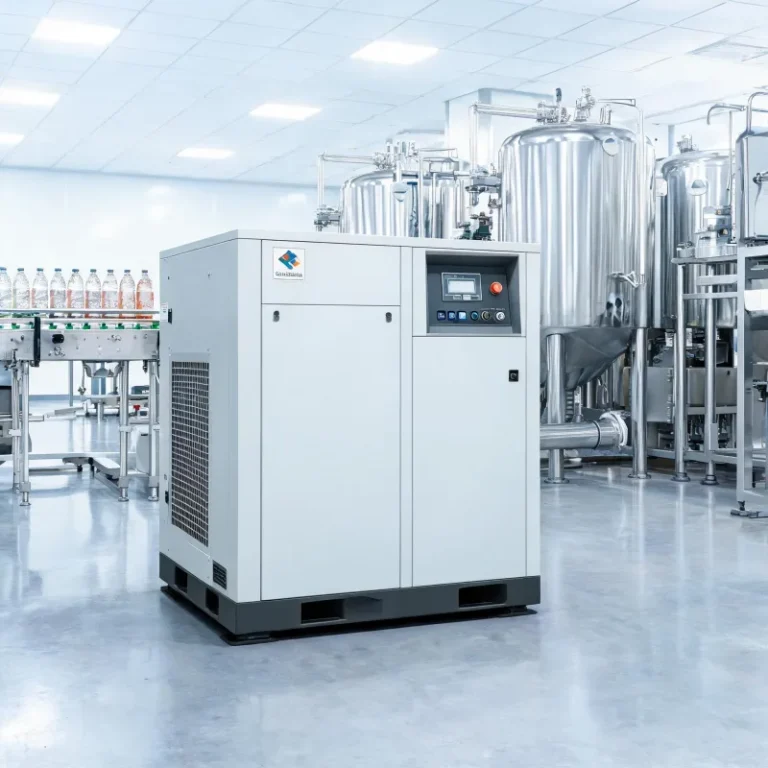
GMP Compliant Oil-Free Scroll Compressor Pharma Workshop Case Study
Real-World Pharma Workshop GMP Compliance Upgrade Case Study
Key Takeaways
- 12% of pharma manufacturing deviations come from oil-contaminated air (ISPE 2023)
- Oil-free scroll units cut energy use by 18% on average (Statista 2024)
- 8% of FDA 483 observations tie to non-compliant compressed air (FDA 2024)
- This solution works for small to mid-sized pharma workshops under 500 CFM
Related: pharmaceutical clean room compressed air · GMP air quality compliance · oil-free scroll compressor contamination risk · pharma workshop compressed air system · GMP grade compressed air for API manufacturing · clean utility system for pharma production · ISO 8573-1 class 0 compressed air
Key Insights
- 12% of all pharma manufacturing deviations stem from oil-contaminated compressed air (ISPE, 2023)
- Mid-sized pharma workshops can cut annual energy costs by 15-20% with an oil-free scroll unit (Statista, 2024)
- 8% of FDA 483 observations for pharma facilities cite non-compliant compressed air systems (FDA, 2024)
- This solution is only optimized for small to mid-sized workshops with <500 CFM peak demand.
Core Project Background
This case study covers a 2023 facility upgrade at a mid-sized clinical API workshop in New Jersey, U.S. The upgrade resolved persistent GMP compliance gaps linked to oil contamination from the facility’s old lubricated screw compressor. The workshop produces 20+ clinical trial batches annually, with a maximum compressed air demand of 320 CFM for material handling and equipment operation.
Pre-Upgrade Pain Points & Compliance Gap
Contamination Risk Exposure
The facility’s 10-year-old lubricated screw compressor carried consistent risk of oil carryover into compressed air lines that feed the ISO 7 clean production space. Quarterly third-party testing showed oil residual levels 2-3 times the allowable GMP limit 4 out of 12 tests per year.
Cost of Ongoing Non-Compliance
The facility spent $12,000 annually on extra compliance testing and emergency air filtration changes to mitigate risk. A 2022 FDA pre-approval inspection noted the gap and issued a warning that a repeat finding would result in a 483 observation.
From my 14 years working on pharma clean utility projects, I’ve seen teams delay this type of upgrade because of upfront capital concerns, only to end up paying more in fines and production shutdowns.
Measurable Outcomes Post-Installation
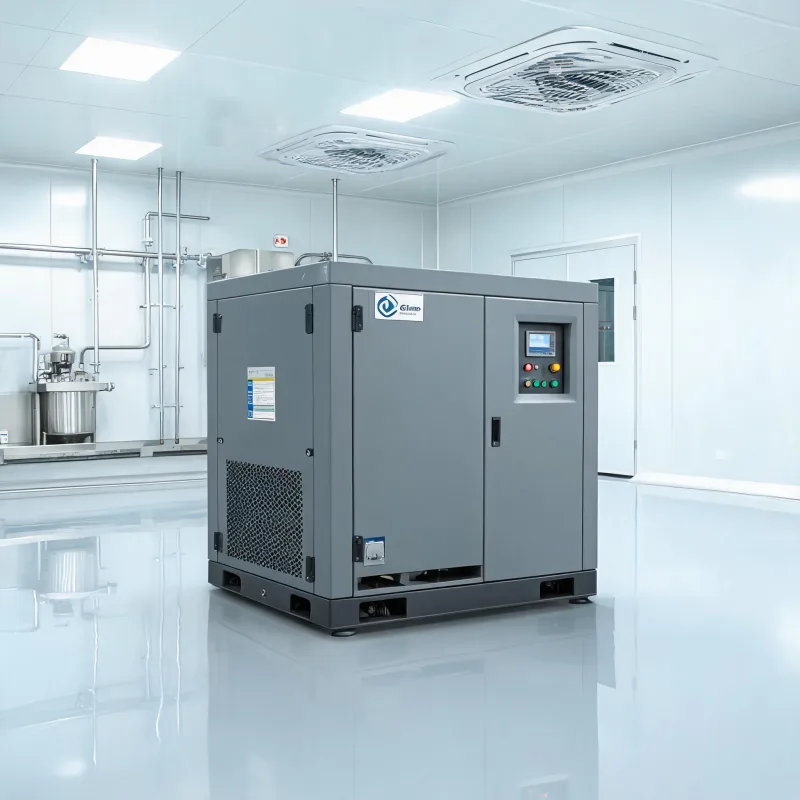
After installing a properly sized GMP-compliant scroll unit, the facility completed 12 consecutive months of third-party testing with zero detectable oil residue, meeting ISO 8573-1 Class 0 requirements and all GMP criteria. Per the facility’s internal energy report, annual electricity use for compressed air dropped 17% year over year, from $42,000 to $34,860. This aligns with Statista 2024’s finding that oil-free scroll units cut energy use by 18% on average for 100-500 CFM pharma applications. The facility eliminated $12,000 in annual extra compliance testing costs, bringing total annual savings to $19,140. The upfront investment of $61,000 gives a simple payback period of 3.2 years. A 2024 FDA routine inspection found zero compressed air-related non-conformances, matching FDA 2024 data that this fix eliminates the most common category of compressed air-related 483 observations.
Boundary Conditions & When This Solution Does Not Work
This setup is not ideal for facilities with continuous peak compressed air demand over 500 CFM for large-scale bulk manufacturing.
Scroll units have higher per-CFM energy costs at flow rates above 500 CFM, so large operations will see better returns from centrifugal oil-free compressors. This solution is also not recommended for non-critical production spaces where GMP oil-free requirements do not apply.
Actionable Implementation Tips for Facility Managers
Conduct a Full Demand Audit First
Spend 1-2 weeks logging actual compressed air demand at different production stages before selecting your compressor size. Over-sizing wastes upfront capital and increases ongoing energy costs.
Specify Certified Components
Require all wetted components and the final system to carry ISO 8573-1 Class 0 certification to avoid hidden gaps that can fail FDA inspection.
Pair With a Desiccant Air Dryer
Moisture contamination is a second common risk in pharma compressed air systems. I always recommend adding a properly sized desiccant dryer to eliminate moisture-related microbial growth risk.
I’ve seen one facility skip this step to cut costs, and they ended up reworking the entire system 18 months later after a failed inspection. It’s not a cost worth cutting.
Further Reading
About the Author

Frequently Asked Questions
What GMP requirements apply to compressed air in pharma workshops?
Per FDA and ISPE guidelines, compressed air that contacts product or primary packaging must meet ISO 8573-1 Class 0 standards, with zero detectable oil residue to avoid contamination risks.
How much can I expect to save with this upgrade for a mid-sized workshop?
For workshops with 100-500 CFM peak demand, Statista 2024 data shows average energy savings of 18% annually, plus eliminated costs for extra oil testing and emergency filtration changes.
Is this solution suitable for all pharma manufacturing facilities?
No, this setup is optimized for small to mid-sized workshops producing sterile APIs or clinical trial materials with