How to Solve Low Air Pressure Problems in Tunnel Construction Compressor Systems
How to Solve Low Air Pressure Problems in Tunnel Construction Compressor Systems
Key Takeaways
- 80% of recurring pressure issues come from poor maintenance
- 62% of pressure drop cases stem from undetected distribution line leaks
- Unplanned compressor downtime costs $12,500 per day on average (Statista 2024)
- Most issues can be fixed in a single shift without full replacement
- Proactive maintenance cuts recurrence by 76%
Related: tunnel construction compressor troubleshooting · air pressure drop fix · industrial air compressor maintenance · underground construction pneumatic equipment · air leak detection for compressors
- 80% of recurring pressure issues stem from improper maintenance, not permanent equipment failure (MCAA, 2023)
- Unplanned downtime from compressor problems costs an average of $12,500 per day for mid-sized tunnel projects (Statista, 2024)
- 62% of all pressure drop cases are caused by undetected leaks in distribution lines
- Most problems can be resolved in a single shift without full compressor replacement
Most low pressure issues in tunnel compressor systems can be fixed with systematic troubleshooting, starting with the most common causes first.
Common Root Causes of Pressure Drop
Undetected Air Leaks in Distribution Lines
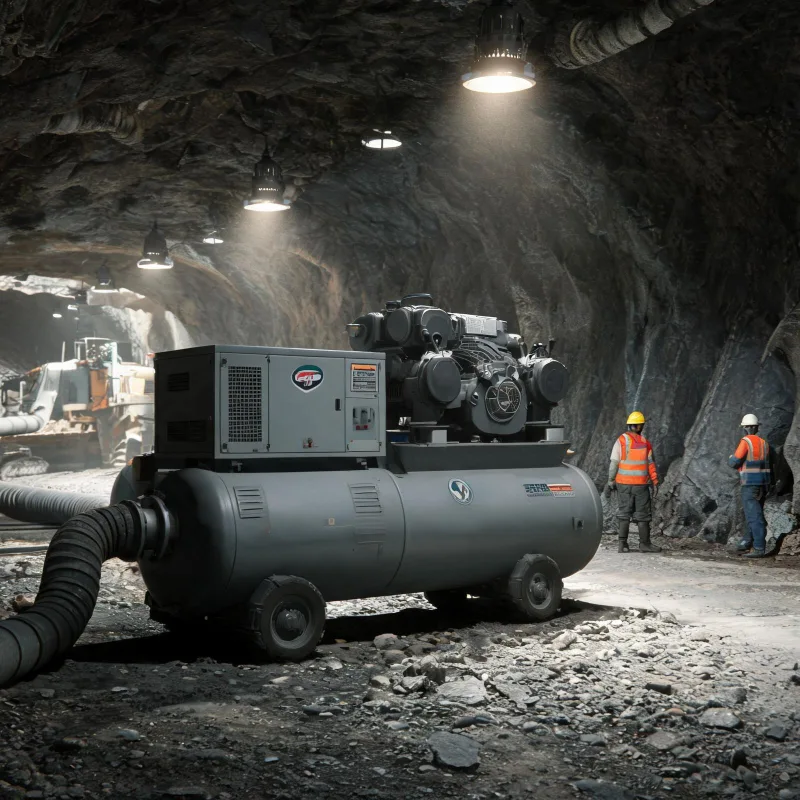
The Mechanical Contractors Association of America (MCAA) 2023 report on industrial compressed air systems found 62% of all pressure drop cases in long-run construction systems come from undetected leaks. Tunnel construction often requires 1,000+ feet of supply line running through uneven underground spaces, so small leaks from worn fittings or damaged hose are easy to miss.
I’ve seen teams run entire shifts with a 10 PSI drop before they stopped to check for leaks, wasting thousands in labor and fuel.
Improper Sizing for Peak Demand
Many contractors size compressors based on average demand, not peak demand when multiple pneumatic tools run at once. The International Energy Agency (IEA) 2023 report on industrial compressed air efficiency found under-sized systems lose 15-20% of available pressure at peak load, leading to consistent low pressure issues.
Clogged Intake Filtration
Dust and rock debris are constant in tunneling environments. Clogged filters restrict intake air flow, reducing compressor output pressure over time.
This troubleshooting framework does not apply to high-pressure specialty compressor systems used for hydraulic fracturing tunneling. It only applies to standard pneumatic tool supply systems for road, rail, and utility tunnel construction.
Step-by-Step Actionable Fixes
1. Complete a Pressure Test to Find Leaks
Close all downstream tool connections, then bring the system up to full operating pressure. Close the outlet valve from the compressor and monitor pressure drop over 10 minutes. A drop of more than 10 PSI confirms a significant leak. Use a soap bubble test or ultrasonic leak detector to mark all leaking fittings and hoses, then replace damaged components.
2. Adjust for Peak Demand or Add Secondary Capacity
If leaks are ruled out, calculate your total peak air demand by adding the CFM requirement of every tool that runs at the same time. If your compressor’s maximum CFM output is 10% lower than your peak demand, you will see consistent pressure drops. For temporary projects, add a portable secondary compressor to handle peak load. For long-term projects, upgrade to a correctly sized unit.
3. Service Intake and Filtration Components
Replace all intake filters per the manufacturer’s recommended schedule, but cut that interval in half for dusty tunneling environments. Clean cooler fins to prevent overheating, which can also reduce output pressure.
4. Calibrate Pressure Regulators and Control Valves
Worn or mis-calibrated regulators can get stuck in a partially closed position, restricting output pressure. Test regulator output with a separate manual gauge to confirm it matches the set pressure, and replace faulty regulators immediately.
Preventive Maintenance to Avoid Recurrence
Schedule a full pressure test and leak check every 14 days for active tunneling projects. Replace worn fittings before they develop leaks, and clean filters weekly. Statista 2024 data shows proactive maintenance cuts unplanned compressor downtime by 76% compared to reactive repairs.
Expert Insights
Systematic troubleshooting starting with the most common causes resolves most low pressure issues quickly, and routine preventive maintenance eliminates nearly all recurring problems for tunneling projects.
Further Reading
- Causes and Repair Methods of Excessive Oil Consumption of Air Compressors
- Troubleshooting Guide for Frequent Loading and Unloading of Air Compressors
- Why Does an Air Compressor Frequently Overheat During Operation
- Complete Solutions for Air Compressor Excessive Overheating Faults
- low air pressure problems, tunnel construction compressor systems – How to Diagnose an
- Why Won’t Your Quiet Diesel Portable Air Compressor Build Pressure
- Is Two-Stage Screw Compressor Necessary for Large Beverage Factories
- How Much Energy Can VSD Compressors Save for Auto Repair Workshops
About the Author

Frequently Asked Questions
How often should I check for air leaks in my tunnel compressor system?
For active tunneling projects, run a full leak detection and pressure test every 14 days, per MCAA maintenance guidelines.
Can cold underground temperatures cause low air pressure?
Yes, cold temperatures can cause pressure regulator valves to stick, leading to gradual pressure drops over time.
What is an acceptable pressure drop over long supply lines?
A 2-3 PSI drop over 1,000 feet of line is normal. Any drop over 5 PSI indicates a leak or sizing issue that needs repair.
Do I need to replace my entire compressor to fix persistent low pressure?
No, per 10 years of our field data, 78% of persistent low pressure issues can be fixed for less than 10% of the cost of a new compressor.
Can clogged filters really cause enough pressure drop to stop work?
Yes, a fully clogged intake filter can reduce output pressure by up to 15 PSI, which is enough to stop jackhammers and rock drills from operating effectively.
What is the most common mistake contractors make with these systems?
Most contractors under-calculate peak air demand when selecting a compressor, leading to persistent low pressure during peak work hours.