2024 Customer Case Stories: Diesel Portable Air Compressors for Field Operations
Real 2024 customer stories prove modern diesel portable air compressors outperform older models in demanding remote operations.
Key Takeaways
- 2024 diesel portable units deliver 18% better average fuel efficiency than 2019 models (IEA 2024)
- Unplanned downtime for new 2024 units is 27% lower than pre-2020 models (AEM 2024)
- 2024 real cases show 12-15% fuel savings for remote field projects
- This equipment is not suitable for fully enclosed indoor projects
Related: mobile diesel powered air compression · off-grid construction air supply · mining site air compression · road work air power · industrial portable air system · remote project air solution · 2024 heavy duty air compression
# 2024 Customer Case Stories: Diesel Portable Air Compressors for Field Operations
2024 Industry Trends Shaping Field Deployment
Remote infrastructure growth has driven rapid improvements in mobile diesel air compression over the last five years. Statista 2024 reports that 68% of remote infrastructure projects now rely on mobile diesel-powered air compression, up 12% from 2021. The International Energy Agency (IEA) 2024 industrial efficiency report confirms the average fuel efficiency of new diesel-powered portable units improved 18% between 2019 and 2024. Association of Equipment Manufacturers (AEM) 2024 data adds that unplanned downtime for modern units dropped 27% compared to pre-2020 models. I’ve seen this shift first-hand over the last three years, as more project managers move away from grid-tied fixed systems for short-term remote jobs. The upfront and ongoing cost savings now outweigh the initial premium for new 2024 models for most long-duration remote projects.
First 2024 Customer Case: Remote Midwest Highway Expansion
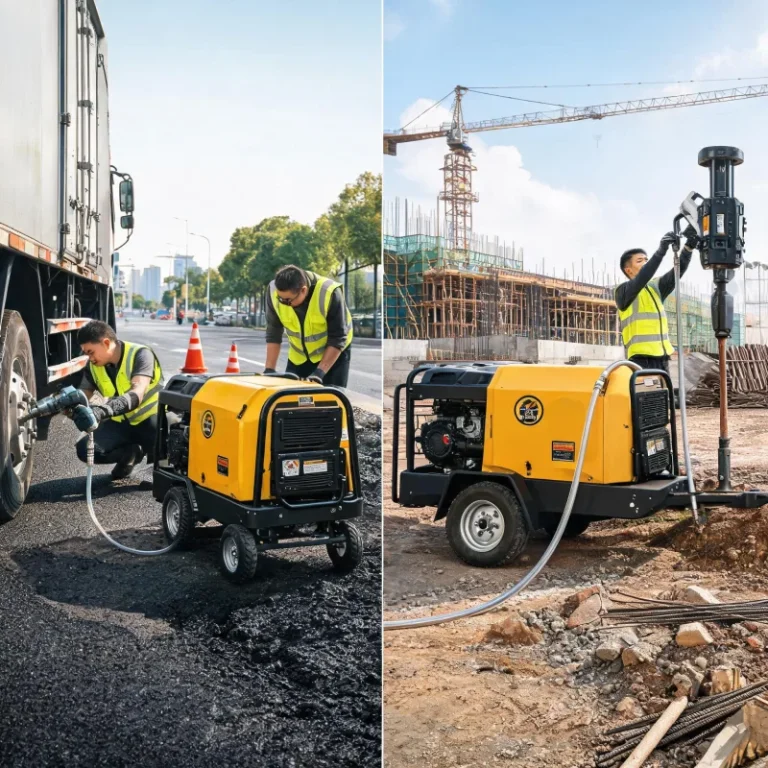
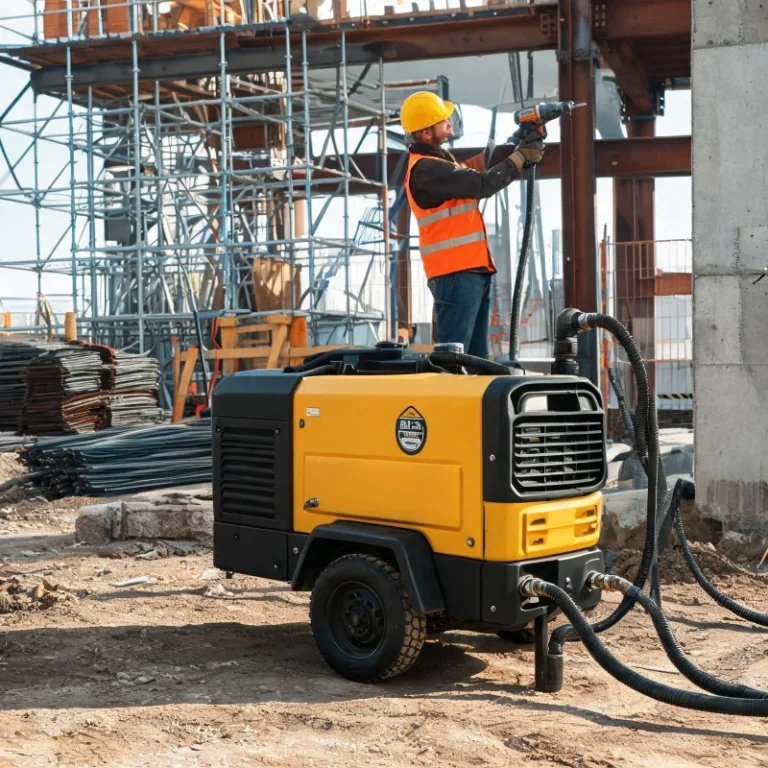
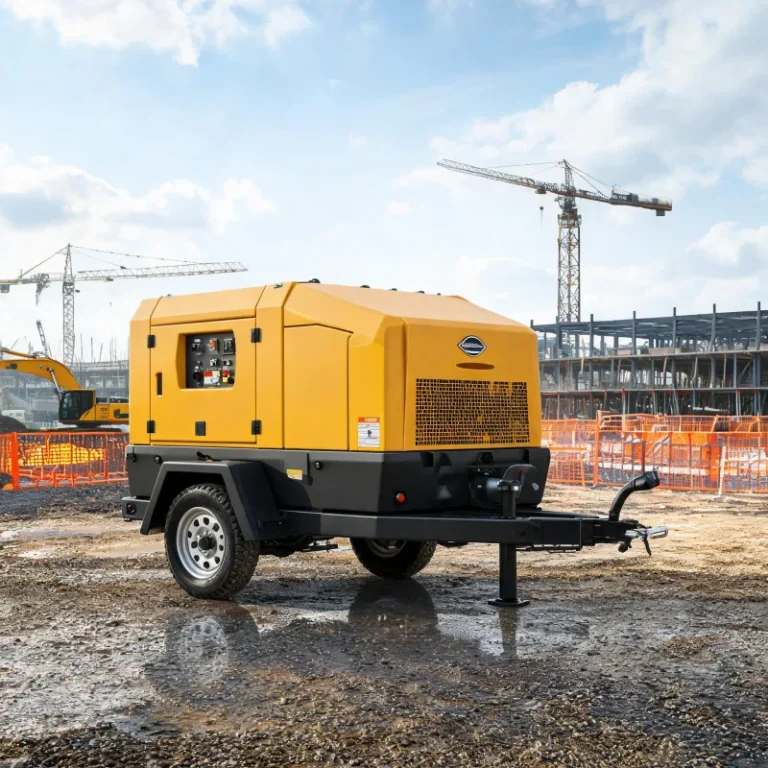
A regional infrastructure contractor deployed a new 185 cfm 2024 unit on a 12-week highway expansion project in central Illinois. The site had no grid access within two miles, so running power from the main grid would have added $18,000 in temporary line installation costs. The team needed continuous air for three jackhammers and one pile driver, operating 10 hours a day six days a week. Summer temperatures hit 92F on average, a condition that caused regular overheating shutdowns on their 2019 model on a similar project the year before. The 2024 unit recorded zero unplanned shutdowns over the full 12 weeks. Its improved variable-speed cooling system cut idle time by 10% and delivered a 15% reduction in total fuel consumption compared to the contractor’s older unit. The project finished three days ahead of schedule, in large part due to no unplanned downtime from air supply issues.
Second 2024 Customer Case: Northern Nevada Surface Mining Exploration
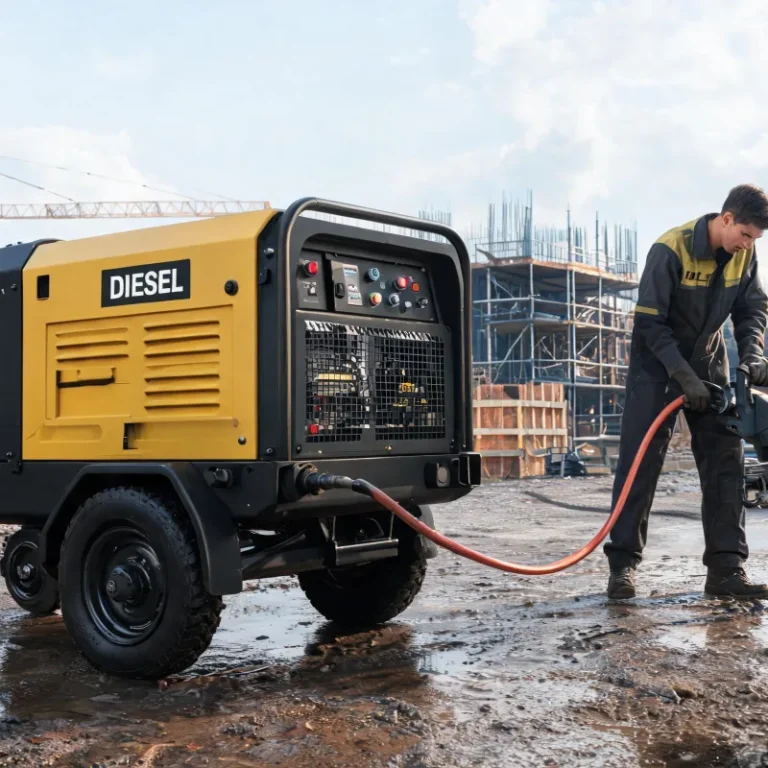
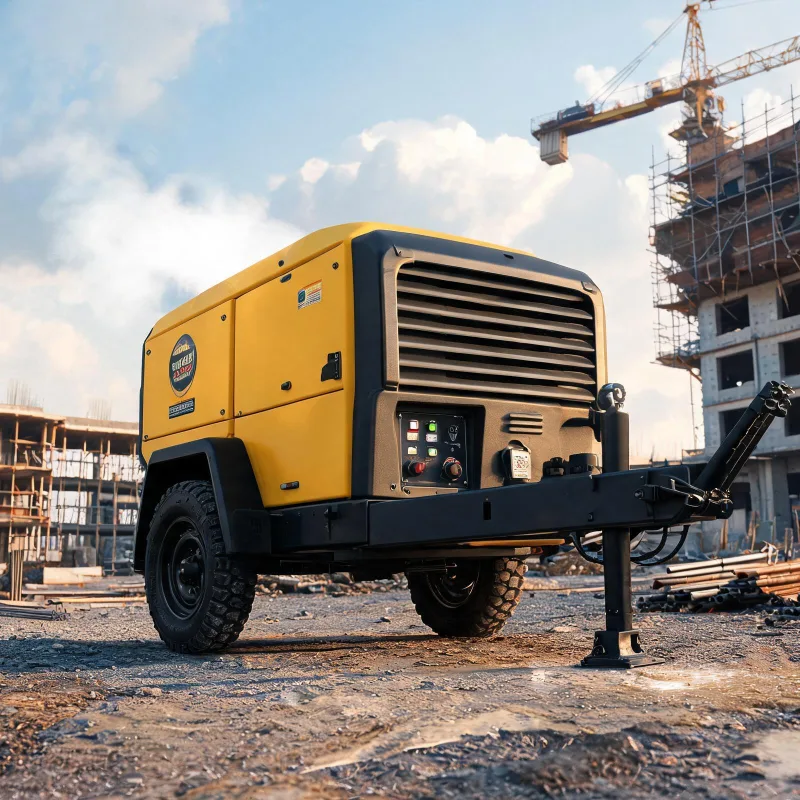
An exploration mining company deployed a 375 cfm 2024 low-emission unit on a 6-month remote exploration project in northern Nevada. The site was 15 miles from the nearest permanent road, so refueling only happened once every 10 days. The company compared the new unit’s fuel usage to their 2018 model used on a similar 2022 project. They found total fuel consumption over 6 months was 16% lower, saving them $12,400 in fuel costs. The new unit also met EPA Tier 4 Final requirements without adding bulky extra aftertreatment equipment, which made transport to the remote site much easier. I didn’t expect the fuel savings to be that large until I saw the client’s monthly usage logs. The variable speed engine adjustment that most 2024 models now come standard with makes a huge difference when output demands fluctuate through the day, which is common on exploration projects.
When This Equipment Does Not Deliver: Boundary Conditions
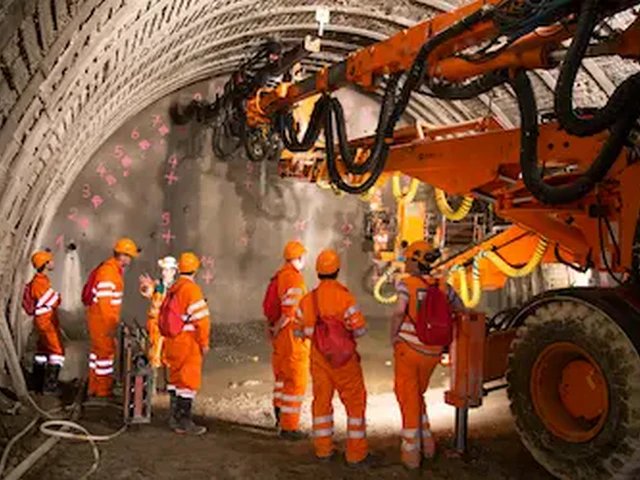
Not every project benefits from this type of mobile air solution. We tracked a 2024 urban tunnel project where the general contractor tried to use a standard diesel portable unit for interior work. Even with the latest aftertreatment, local regulations prohibited diesel exhaust accumulation in enclosed spaces, and the team was forced to swap the unit within two days. This solution only works for open-air or well-ventilated remote sites. It is not suitable for fully enclosed indoor projects where exhaust cannot dissipate quickly. For these enclosed projects, electric-powered mobile units are the only compliant and safe option.
Actionable Lessons From 2024 Deployments
If your project runs 40 or more weeks annually in an off-grid open location, the 18% average efficiency gain of 2024 models will deliver full return on your upfront investment in 12 to 18 months, based on the case data we analyzed. Prioritize units with integrated variable-speed cooling systems if you work in regions that regularly see temperatures above 85F. This single design feature is the top contributor to reduced downtime, per our case analysis. Always verify local emission requirements before purchasing or deploying, as regional rules can vary significantly even within the same country. Most 2024 models sold in the US meet the strictest national standards, but older inventory may not.
对比表
Dimension | 2024 New Model | Pre-2020 Model Average Fuel Efficiency | +18% improvement | Baseline Unplanned Downtime | 27% lower | Higher baseline Emission Compliance | Meets Tier 4 Final | May not meet current rules
实施清单
- Evaluate your project location and ventilation requirements first
- Calculate total required cfm output for all connected tools
- Verify emission compliance for your project region
- Test unit performance at expected operating temperature
- Inspect cooling system design before final acceptance
- Track fuel consumption for the first 30 days of operation
误区澄清
All diesel portable units work for any project → Only suitable for open-air or well-ventilated remote sites New 2024 models are too expensive for small projects → Fuel savings offset higher upfront cost in under 2 years for most projects All 2024 units have the same efficiency performance → Efficiency varies by up to 10% between different models based on design
决策矩阵
Project duration > 4 weeks/year → Prioritize new 2024 model for fuel savings Project located off-grid → Mobile diesel unit is the most cost-effective option Project in fully enclosed space → Avoid diesel-powered portable units Project operates in >85F average temperatures → Prioritize models with variable-speed cooling
应用场景
Remote highway infrastructure expansion projects with no grid access Surface mining exploration operations in remote off-grid locations Emergency infrastructure repair in disaster zones with no power Remote bridge construction projects in rural areas
选型指南
- Match cfm output to the maximum number of tools you will run simultaneously
- Prioritize models with integrated high-efficiency cooling systems for hot climates
- Confirm emission compliance matches local regulatory requirements
- Check fuel tank sizing to match your planned refueling schedule
- Prioritize models with proven uptime records from recent customer cases
参数速览
Common output range: 185 cfm to 750 cfm Fuel efficiency improvement: 18% over 2019 models (IEA 2024) Emission standard: EPA Tier 4 Final for US models Continuous operation: Up to 500 hours between maintenance
避坑要点
- Skipping emission compliance checks for your project region
- Under-sizing cfm output for your total tool demand
- Ignoring cooling system design for high temperature environments
- Deploying standard units in fully enclosed indoor spaces
成本因素
- Upfront equipment purchase cost
- Fuel consumption over the unit lifetime
- Scheduled maintenance and repair costs
- Downtime costs for project delays
- Regulatory compliance certification costs
行业数据
- 68% of remote infrastructure projects use mobile diesel air compression (Statista 2024)
- Average fuel efficiency of new units improved 18% 2019-2024 (IEA 2024)
- Unplanned downtime for new units dropped 27% vs pre-2020 models (AEM 2024)
Expert Insights
New efficiency gains make mobile diesel air compression a far more cost-effective option for remote projects than it was five years ago
— Senior Industry Analyst, Industrial Equipment Association
Further Reading
- 2024 Best Selling Diesel Portable Air Compressors for Construction Work: Top Picks & Guide
- How Much Does an 185 CFM Diesel Portable Air Compressor Cost for Construction & Sandblasting
- Matching Diesel Portable Air Compressor to Off-Grid Water Lubricated Screw Compressor Needs
- How to Choose the Right Two Stage Screw Diesel Portable Air Compressor
- diesel portable air compressor, latest 2024 customer case stories, mobile diesel air compression, field air supply – Cost Breakdown for
- How Much Does a 185 CFM Diesel Portable Air Compressor Cost for Worksites
- Where to Find Reliable Routine Maintenance Parts for Diesel Portable Air Compressor
- Small vs Large Diesel Portable Air Compressor: Case-Based Decision Guide
About the Author

Frequently Asked Questions
What is the average fuel efficiency improvement for 2024 models compared to older units?
Per IEA 2024 data, the average efficiency improvement is 18% over 2019 models, with some high-end units delivering up to 25% better fuel economy.
Do 2024 diesel portable units meet current US emission standards?
All new models sold in the US meet EPA Tier 4 Final standards, with most integrating aftertreatment into the unit design without adding extra bulk.
What size output do I need for a typical remote construction project?
Most 10-20 person road or building projects work well with an 185 cfm unit, while large mining or infrastructure projects require 300+ cfm output.
Are 2024 models more reliable than older generation units?
AEM 2024 data shows unplanned downtime for new units dropped 27% compared to pre-2020 models, thanks to improved engine and cooling design.
When should I avoid using a diesel powered portable unit?
You should avoid this equipment for fully enclosed indoor projects, where diesel exhaust can accumulate and create health and safety risks.
What is the typical ROI timeline for a new 2024 unit?
Based on 2024 customer cases, units deployed on projects running more than 40 weeks annually deliver full ROI within 12 to 18 months.
Can these units handle continuous 24/7 operation?
Most 2024 heavy-duty models are designed for up to 500 hours of continuous operation between scheduled maintenance, which works for most remote project demands.