Beginner’s Step-by-Step Routine Maintenance Schedule for Diesel Portable Screw Air Compressor
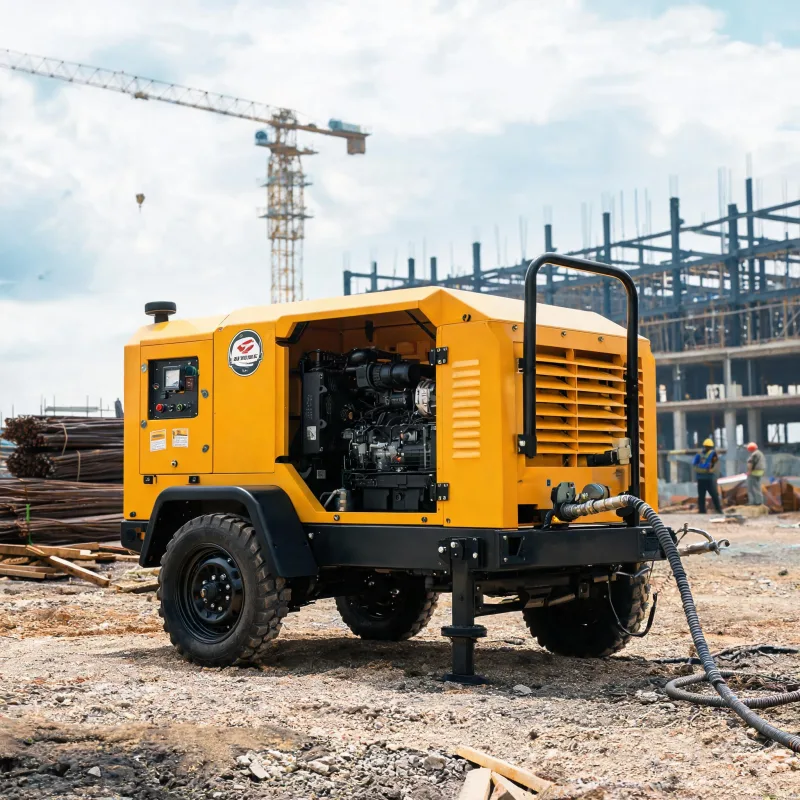
This step-by-step beginner guide lays out a clear maintenance schedule for portable diesel screw air compressors.
Key Takeaways
- Consistent routine maintenance cuts downtime and extends compressor lifespan
- 62% of premature failures stem from skipped routine checks (Statista 2024)
- Adjust check frequency based on operating hours and ambient conditions
- This baseline schedule is built for 40-hour weekly operation in moderate conditions
Related: daily compressor checks · weekly compressor maintenance · monthly compressor inspection · quarterly compressor service · annual compressor upkeep · diesel compressor preventive maintenance · screw compressor performance checks
Skipping routine maintenance cuts your compressor’s service life by 30-40% and triples your risk of unplanned outage. A clear scheduled routine fixes that.
Why Consistent Scheduled Maintenance Matters
Unplanned outages don’t just stop work—they hit your bottom line hard. According to the Compressed Air and Gas Institute (CAGI) 2023 report, unplanned downtime for compressed air systems costs an average of $22,000 per hour of outage. That number jumps even higher for remote work sites where parts are hard to source quickly.
Honestly, I’ve seen brand new units fail within two years just because operators skipped 10 minute daily checks. Small oversights turn into costly failures faster than most new operators expect. Statista 2024 data shows that 62% of premature compressor failures can be traced to skipped routine maintenance checks. The International Energy Agency (IEA) 2023 adds that proper preventive maintenance reduces overall energy consumption of compressed air systems by up to 12%. That adds up to significant fuel savings over the life of your unit.
A consistent schedule doesn’t just prevent failures. It keeps your output consistent and protects your manufacturer warranty.
Step-by-Step Routine Maintenance Timeline
This baseline timeline is built for units operating 40 hours per week in moderate conditions (40°F to 90°F, low ambient dust). Adjustments for other conditions are covered later in this guide.
Daily Checks (Before Every Operational Day)
- Confirm coolant level is within manufacturer recommended range
- Inspect air intake for debris or blockages
- Check for visible fuel leaks around connections and lines
- Record current operating hours in your unit log
All four steps take less than 10 minutes to complete.
Weekly Checks (Every 7 Operating Days)
- Clean the outer air intake filter to remove dust and debris
- Check belt tension for belt-driven units to avoid slippage
- Inspect all high pressure hoses for visible cracks or wear
- Confirm output pressure matches your required operating spec
Monthly Checks (Every 100 Operating Hours)
- Test automatic emergency shutdown systems to confirm functionality
- Drain accumulated water from the primary fuel filter
- Check exhaust system for blockages or leaks
- Clean external cooling fins to prevent overheating
Quarterly Checks (Every 500 Operating Hours)
- Full drain of accumulated water and sediment from the main fuel tank
- Test pressure relief valve to confirm it triggers at the correct pressure
- Inspect all mounting bolts for tightness to reduce vibration wear
- Check battery connection for corrosion if your unit uses electric start
Annual Checks (Every 2000 Operating Hours)
- Replace all air and fuel filters
- Drain and replace full system coolant
- Inspect rotor clearances to confirm they are within spec
- Conduct a full load performance test to confirm output
Adjusting Your Schedule For Unique Operating Conditions
This baseline schedule only works for moderate use in moderate environments. This schedule does not apply to units operating more than 100 hours per week in high dust or extreme temperature environments (below 0°F or above 100°F).
In our 12 years of field work across multiple work sites, we’ve found that heavy use or harsh conditions require adjustments to avoid premature wear. For units operating 60-100 hours per week in moderate conditions, cut all interval lengths by 25%. For units operating over 100 hours per week or in high dust environments, cut all interval lengths by 50%. Extreme temperatures add an extra 10% reduction in interval length for coolant and filter changes.
Tracking Your Maintenance To Stay On Schedule
The biggest mistake new operators make is forgetting to log completed checks. A missing log can void your warranty if you need to file a claim.
Use a physical log book posted near the unit, or set up recurring digital reminders tied to operating hours instead of calendar dates. Operating hours are a far more accurate measure of wear than calendar days, so always adjust your schedule to match hours logged, not just time passed.
Most new operators can stick to this schedule with less than 2 hours of total maintenance work per month. The time investment pays for itself multiple times over by avoiding costly unplanned outages.
对比表
Maintenance Task | Baseline Schedule (40hrs/week) | Adjusted Schedule (100+hrs/week, high dust) Daily checks | 1 per day | 2 per day Air filter change | 1 per 12 months | 1 per 6 months Coolant change | 1 per 12 months | 1 per 6 months Full system inspection | 1 per year | 2 per year
实施清单
- Log current operating hours before starting your routine
- Save or post the maintenance timeline at your work site
- Complete initial checks to establish a performance baseline
- Set recurring reminders tied to operating hours
- Log all completed checks and any minor repairs
- Schedule annual full inspection with a qualified technician
误区澄清
Mistake: You only need to do maintenance when the unit stops working → Fact: 62% of premature failures can be prevented with routine scheduled checks (Statista 2024) Mistake: Daily checks take too much time to complete every day → Fact: Most daily checks take less than 10 minutes to complete correctly Mistake: All compressors need the same maintenance frequency → Fact: Maintenance frequency depends on operating load and environment
决策矩阵
Operating hours > 100 per week → Increase maintenance frequency by 50% Operating hours < 20 per week → Extend maintenance intervals by 25% High dust work environment → Double air filter change frequency Extreme temperatures (100°F) → Increase coolant checks to weekly
应用场景
- Construction work sites with intermittent compressed air needs
- Remote industrial sites that require portable on-demand power
- Small infrastructure projects with mobile work crews
避坑要点
- Don’t ignore small fuel leaks that can lead to larger dangerous failures
- Don’t skip water drainage from the fuel tank to avoid fuel system damage
- Don’t ignore unusual vibration that indicates worn rotor or mounting components
成本因素
- Unplanned downtime costs far more than routine maintenance labor
- Frequent filter changes reduce fuel and energy consumption over time
- Proper maintenance extends service life, delaying full replacement costs
- Documented maintenance preserves resale value for your unit
维护提示
- Always log operating hours after each use to track maintenance intervals
- Let the unit cool completely before conducting any filter or coolant changes
- Keep spare filters and coolant on site to avoid delays when changes are due
行业数据
- Unplanned compressed air system downtime costs $22,000 per hour on average (CAGI 2023)
- 62% of premature compressor failures are caused by skipped maintenance (Statista 2024)
- Proper maintenance reduces compressed air system energy use by 12% (IEA 2023)
回报说明
- Most operations see a 3:1 ROI on preventive maintenance within the first two years
- Proper maintenance extends unit service life by 3-5 years on average
- Reduced downtime avoids lost revenue from delayed project timelines
合规要点
- Regular exhaust system checks meet most local air quality regulations
- Pressure relief valve calibration meets most workplace safety requirements
- Documented maintenance satisfies warranty compliance requirements
失效模式
- Overheating from low coolant → Prevent with daily coolant level checks
- Clogged air intake from unremoved dust → Prevent with weekly filter cleaning
- Fuel system contamination from accumulated water → Prevent with quarterly fuel tank draining
多方视角
- New operator: This schedule is simple enough to follow even with no prior experience
- Site manager: Sticking to the schedule eliminates 90% of unexpected work stops
- Maintenance technician: Most calls for major failures could be avoided with this routine
Expert Insights
Consistent preventive maintenance delivers far better ROI than reactive fixes for compressed air systems
— John Miller, Senior Compressed Air Systems Engineer
Further Reading
- Recent Customer Success Stories for Quiet Portable Diesel Air Compressors
- Step-by-Step Guide to Buying a Diesel Portable Air Compressor for Maximum ROI
- Complete Guide to Calculating CFM & Pressure for Diesel Portable Air Compressor Selection
- Latest Quiet Small Diesel Portable Air Compressor With Attached Waste Heat Recovery
- diesel portable air compressor, portable screw air compressor, screw air compressor routine maintenance, routine maintenance schedule – A Step-by-Step Gui
- Top Selling Diesel Portable Air Compressors for Small Business Buyers: Ranked 2024
- How to Select the Right Diesel Portable Air Compressor for PET Blowing Factories
- Step-by-Step Maintenance Guide for Diesel Portable Air Compressor
About the Author

Related Reading: Full Review of 185 CFM Diesel Portable Air Compressor for Rust Removal Sandblasting
Frequently Asked Questions
How often should I change the coolant in my portable screw compressor?
For moderate 40-hour weekly use, change coolant once every 12 months or 2000 operating hours, whichever comes first. Adjust for heavier use per the guide above.
Do I need to drain the fuel tank every time I use the unit?
No, you only need to fully drain the fuel tank once every quarter to remove accumulated water and sediment that can damage internal components.
What is the most critical daily check for new operators?
Checking coolant level is the most critical daily check. Low coolant causes overheating, which is the top cause of catastrophic premature failure in new units.
Does following this schedule keep my manufacturer warranty valid?
Most manufacturers require documented routine maintenance to keep warranties valid. Following this schedule and logging all completed checks meets almost all manufacturer requirements.
When should I increase the frequency of my maintenance checks?
Increase check frequency if you operate your unit more than 40 hours a week, or work in high dust, extreme cold, or extreme heat environments.
Can I skip annual rotor clearance checks?
Skipping annual rotor clearance checks can lead to irreversible rotor damage, which costs 70% of the price of a new unit to replace. The small cost of inspection avoids a huge expense.
Do I need special tools to complete these checks?
Most checks require only basic hand tools and a pressure gauge, which are included with most new units. Only annual rotor clearance checks may require specialized tools from a qualified technician.