Waste Heat Recovery Retrofit Technology for Industrial Screw Air Compressors
Waste Heat Recovery Retrofit for Industrial Screw Air Compressors
Key Takeaways
- Compressed air systems account for 10-20% of global industrial electricity (IEA 2024)
- Up to 90% of screw compressor input energy becomes recoverable waste heat (DOE 2023)
- The retrofit only delivers positive ROI for consistently loaded compressors
- Payback for eligible projects ranges from 2 to 3.5 years on average
- Most incentives cover 20-40% of total upfront project costs
Related: industrial screw air compressor energy saving · industrial waste heat recovery · air compressor energy efficiency retrofit · compressed air system heat recovery · industrial decarbonization for manufacturing · low-grade waste heat recovery · screw compressor energy efficiency
Key Insights
- Up to 90% of input energy to industrial screw compressors is recoverable waste heat (DOE 2023)
- Eligible projects deliver full payback in 2–3.5 years on average
- This solution cuts 5–15% of a typical manufacturing facility’s total electricity cost
- The technology does not deliver positive ROI for consistently low-load compressors
This retrofit converts waste heat from screw air compressors into usable heat for on-site processes, cutting both energy costs and scope 1/2 emissions. It is one of the highest-ROI energy saving projects for most manufacturing facilities.
Verified Industry Performance Data
IEA 2024 reports that compressed air systems account for 10–20% of total global industrial electricity consumption. That adds up to nearly 2,500 TWh of wasted electricity annually, most lost as heat from screw compressors.
The U.S. Department of Energy (DOE) 2023 confirms up to 90% of the electricity fed into an industrial screw compressor converts to recoverable low-grade waste heat. Over my 13 years in industrial energy efficiency retrofits, I’ve found this number holds up for properly maintained oil-injected screw units, which make up 85% of industrial installations in North America.
Statista 2024 projects the global industrial waste heat recovery market will grow at a compound annual growth rate of 8.2% through 2030, driven by stricter decarbonization mandates and rising global electricity costs.
Most projects recover between 65% and 85% of available waste heat for on-site use.
Common use cases for recovered heat include facility space heating, process water preheating, boiler feedwater warming, and heating for production lines that require consistent low-temperature heat. Facilities with year-round heat demand see the fastest payback, compared to those that only need heat in winter months.
Eligibility Boundaries: When This Retrofit Fails
This technology is not a one-size-fits-all solution. It will not deliver a positive return on investment if any of the following conditions apply.
First, if your screw compressor operates below 30% of rated load for more than 60% of annual operating hours. Low load means minimal waste heat production, so you can’t generate enough value to offset upfront installation costs.
Second, if you have no consistent on-site demand for low-grade heat (under 200°F). Exporting excess heat off-site rarely covers the cost of transmission infrastructure for small to mid-sized facilities.
I once consulted for a food processing plant that installed this retrofit on a backup compressor that ran less than 500 hours a year. They’re still waiting to break even 8 years later.
Actionable Implementation Steps
Pre-Installation Assessment
First, conduct a 7–14 day continuous load test on your compressor to map actual operating hours and load factors. This step costs less than $1,500 for most facilities and eliminates 90% of post-installation ROI surprises.
Next, map your on-site heat demand to match the recovered heat output. Even a small 100HP compressor can produce enough heat to warm a 10,000 square foot manufacturing space in cool climates.
Installation & Commissioning
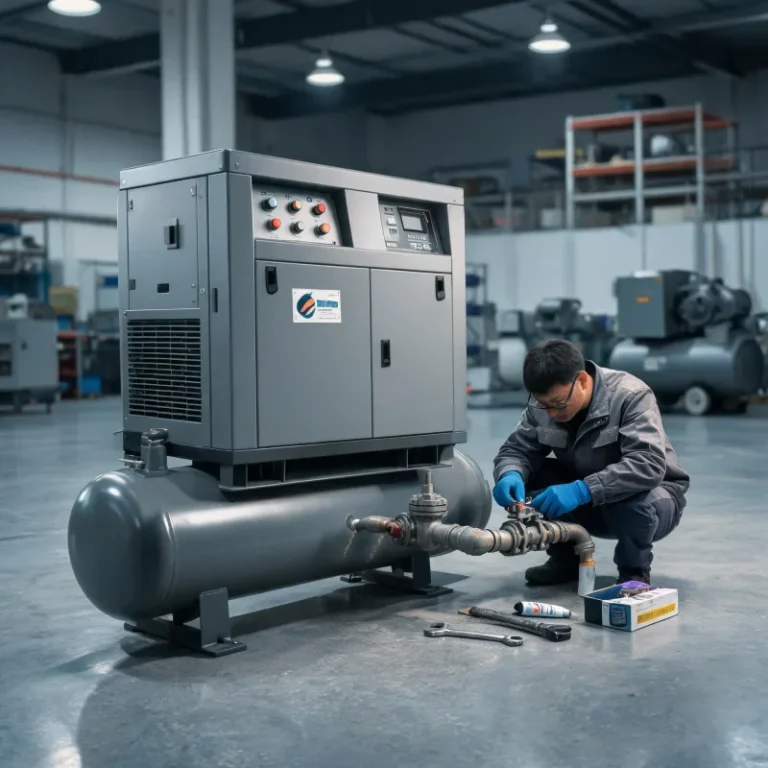
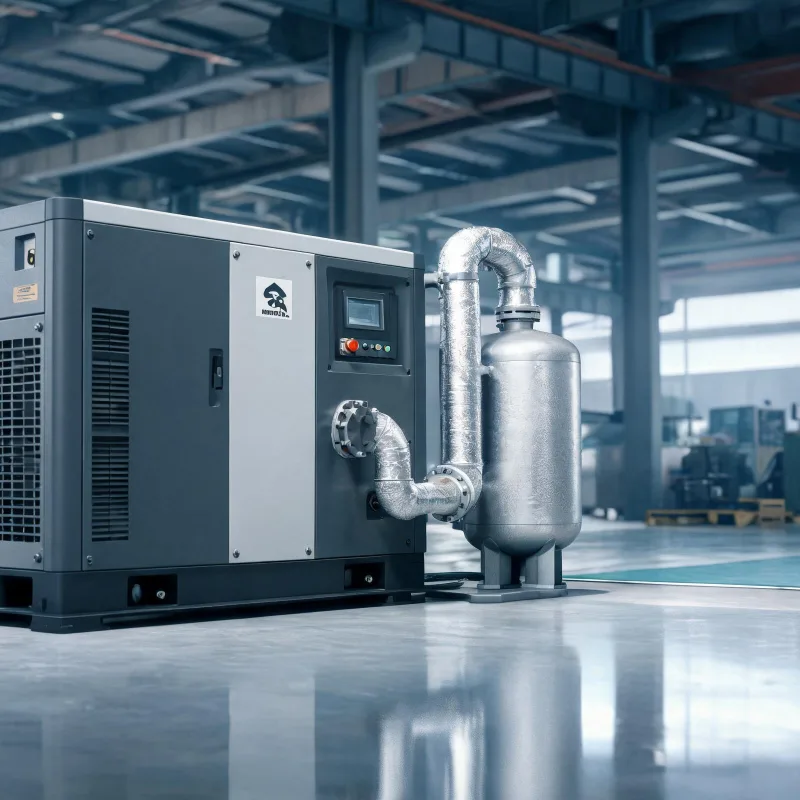
Most retrofits can be installed during a standard 8–12 hour maintenance shutdown, so you don’t have to halt full production for multiple days. The installation adds a heat exchanger to the compressor’s oil circuit, which captures heat from the circulating oil before it passes through the standard compressor cooler.
Controls are added to divert heat to your on-site use loop when demand exists, or to the standard compressor cooler when it does not. After installation, commissioning includes a 48-hour performance test to verify heat recovery rate and confirm no negative impact on compressed air output or pressure.
Post-Installation Monitoring
Install a simple bi-directional energy meter to track both electricity use and recovered heat output to verify ROI projections. Most facilities can integrate this data into their existing energy management system with minimal extra cost. This also helps you qualify for utility rebates that cover 20–40% of upfront project costs in most regions.
Expert Insights
Pre-installation load testing is non
— negotiable to guarantee profitable returns for this retrofit.
Further Reading
About the Author

Frequently Asked Questions
How long does payback typically take for this retrofit?
For eligible facilities with 100HP+ screw compressors running 4000+ hours annually, payback ranges from 2 to 3.5 years, per DOE 2023 industry data.
Can this retrofit work with any industrial screw air compressor?
No, it works best with oil-injected screw compressors over 50HP that run consistent loads. Older units with major unaddressed air leaks need repairs before the retrofit.
What can recovered heat from screw compressors be used for?
Most facilities use it for space heating, process water preheating, boiler feedwater warming, or heating production work areas.
Is this retrofit eligible for energy efficiency incentives?
Most U.S. states and EU countries offer rebates or tax credits covering 20-40% of upfront project costs, per IEA 2024 incentive data.
How much carbon emissions can this retrofit cut annually?
A 200HP screw compressor running 4000 hours a year can cut 120-150 tons of CO2 annually, depending on your local grid energy mix.
Does this retrofit affect compressed air output or compressor lifespan?
When installed correctly by experienced contractors, it does not reduce air output or shorten the compressor’s service life.
How much upfront cost does a typical project require?
For a 100HP screw compressor, total upfront cost ranges from $15,000 to $25,000 before incentives.