Full Lifecycle Cost Breakdown for Mobile Diesel Compressors in Agricultural Post-Harvest Cleaning
This full lifecycle cost breakdown helps you budget correctly for post-harvest cleaning compressed air needs.
Key Takeaways
- Upfront purchase cost only accounts for 30-60% of 10-year total lifecycle cost
- Dust from post-harvest cleaning adds 15-20% to annual maintenance costs
- Over-sizing your unit increases total cost by an average of 25%
- Fixed grid connected units are cheaper for permanent cleaning sites
Related: agricultural post-harvest cleaning · mobile compressed air · diesel compressor cost · full lifecycle cost · farm equipment procurement · farm operation cost
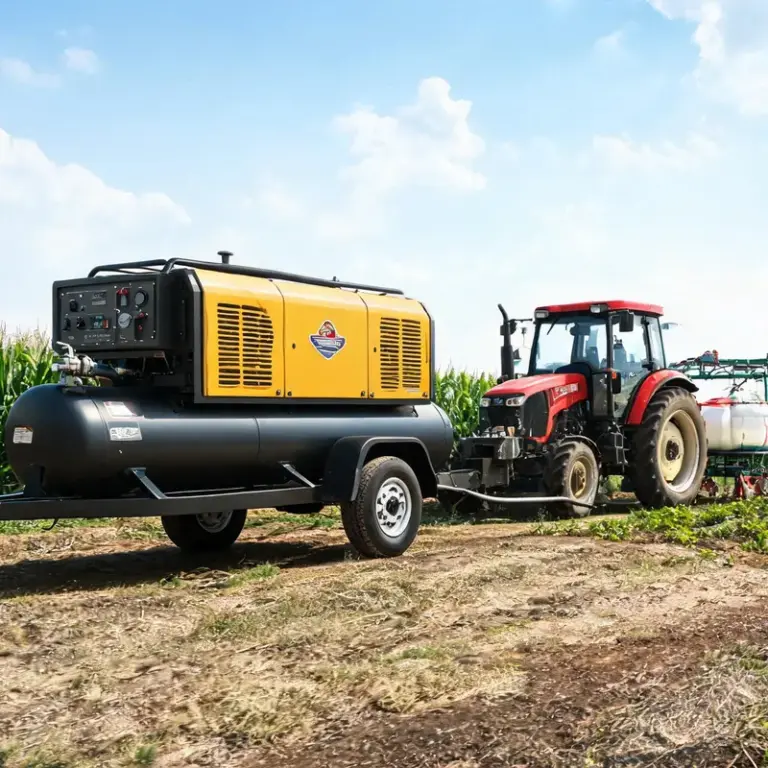
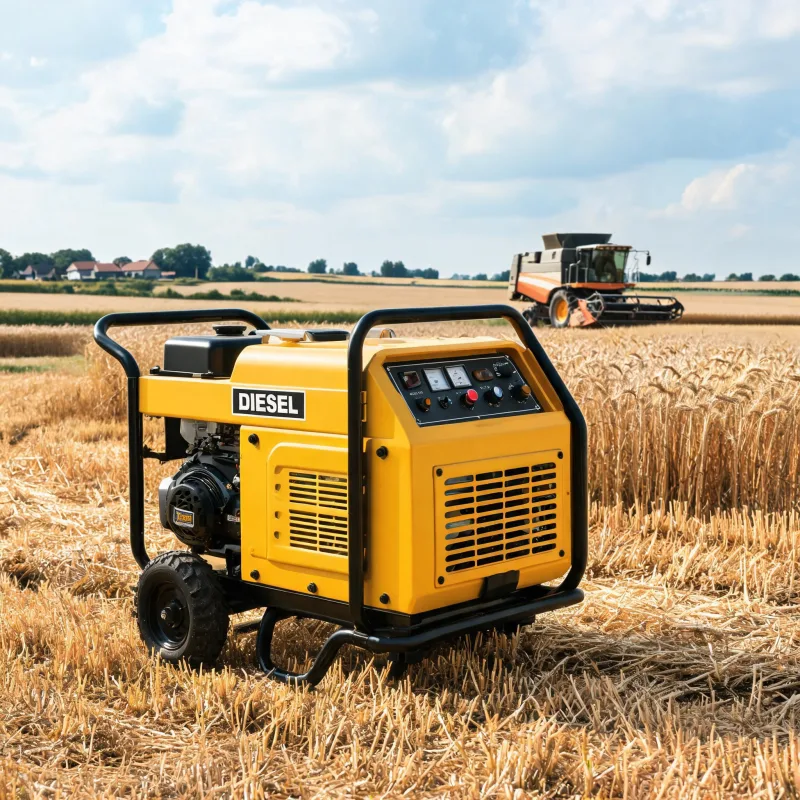
If your farm has a fixed power grid within 50 meters of your permanent post-harvest cleaning station, don’t go for this option. Upfront and running costs will always be higher than a grid-connected fixed unit. For remote fields that lack permanent power connections, mobile diesel-powered compressed air units are the standard solution for blowing debris off harvested produce and grain. This breakdown splits every cost line item to help you build an accurate budget.
Upfront Visible Cost Structure
The first and most obvious cost is the unit itself. For operations covering 100 to 500 acres, the American Society of Agricultural and Biological Engineers (ASABE) 2022 efficiency standards put the upfront purchase price between $12,000 and $28,000, depending on required pressure and flow output.
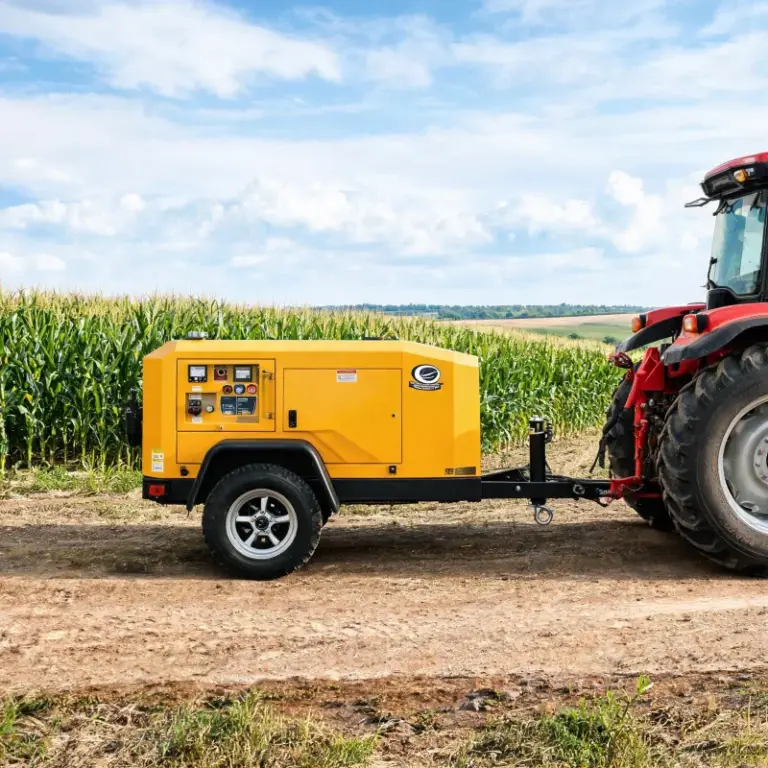
Many new buyers forget to add delivery and mounting to a wheeled frame for transport between fields. Logistics can add 2 to 8 percent of the upfront purchase price, depending on your distance from the distributor.
Get an all-in quote that includes delivery and frame mounting before you sign any contract.
Hidden Costs Most Buyers Miss
Hidden post-purchase costs make up the majority of total 10-year lifecycle cost for most operations. The largest of these is fuel. 2023 US Energy Information Administration (EIA) data for off-road farm equipment shows fuel accounts for 35 to 60 percent of total 10-year cost.
Most spreadsheets don’t account for ambient conditions that raise fuel use: high altitude cuts engine efficiency by 10 to 15 percent, and cold winter temperatures add extra fuel for start-up and warm-up.
Maintenance is the next big hidden cost. Air filter changes, oil changes, and component replacements add up to $800 to $1500 per year, depending on how many hours you run the unit. The biggest hidden cost of all is unplanned downtime: a breakdown during the critical post-harvest window can lead to 2 to 5 percent crop loss from spoilage, which far outpaces any maintenance or repair cost.
Add a 10 percent buffer to your annual fuel and maintenance forecast to cover unexpected costs.
Key Variables That Swing Total Cost
Two variables have the biggest impact on annualized total cost: annual run hours and operating environment.
Units running 200 hours a year will typically last 15+ years, while units running 800 hours a year will need replacement in 7 to 8 years. This difference shifts annualized cost by almost 40 percent.
Post-harvest cleaning operations generate heavy amounts of organic dust and debris, which clog intake systems faster than standard industrial use. ISO 14903:2021 for compressed air equipment confirms that poor intake air quality cuts component lifespan by 15 to 20 percent, which increases annual maintenance cost by the same margin.
Adjust your annual maintenance budget up by 20 percent if you operate in heavy dust conditions.
Actionable Levers to Cut Total Lifecycle Cost
The single most effective step to cut long-term cost is right-sizing your unit to match your actual need. Many buyers size up “just in case” for future expansion, but over-sizing increases upfront cost and fuel use by an average of 25 percent, even when running at partial load.
ASABE 2022 guidelines also show that scheduled preventive maintenance extends unit lifespan by 20 percent compared to reactive repair-only maintenance. Storing the unit under cover when not in use cuts rust and weather-related damage, which also reduces replacement costs.
Calculate your required air flow based on your current number of cleaning tools, and only size up if you plan to expand your operation within the next three years.
When This Option Is Not Cost Effective
Even for agricultural operations, this option is not always the cheapest choice long term. If your post-harvest cleaning site is permanently fixed and located within 100 meters of a three-phase grid connection, a fixed electric unit will have a 30 percent lower 10-year total cost, per 2023 EIA off-road fuel data.
If your annual run hours are under 50, the upfront cost of the unit can never be justified by operational savings. If you operate in an area with strict local emissions limits for off-road diesel equipment, the cost of required emissions compliance add-ons will push total cost above available alternatives.
Further Reading
- Diesel Portable Air Compressor vs Gas for Agricultural Use: A Practical Comparison
- What Is The Best Diesel Portable Air Compressor For Agricultural Use: Top Picks & Guide
- New Efficiency Trends for Fuel-Saving Diesel Portable Air Compressors in Field Maintenance
- Routine Maintenance for Diesel Portable Air Compressors: Tips for Independent Contractors
- Top Maintenance Tips & Scenario Selection for Diesel Portable Air Compressor
- How Much PSI Do You Need for Sandblasting With a Diesel Portable Air Compressor
- How to Size a Diesel Portable Permanent Magnet VFD Screw Air Compressor for Your Worksite
- Complete Step-by-Step Guide to Maintaining a Diesel Portable Air Compressor
About the Editorial Team
Related Reading: Training Brief: Deploying Towed Air Compressors for Mobile Farm Spraying
Frequently Asked Questions
What portion of total cost comes after the initial purchase?
Fuel and maintenance make up 40 to 70 percent of 10-year total lifecycle cost for most farm operations.
How does dust from post-harvest cleaning impact long-term cost?
Heavy dust increases filter and component replacement frequency, adding 15 to 20 percent to annual maintenance costs.
Do larger farms always get better cost per hour?
Only if the unit is sized correctly. Over-sizing for your current operation raises both upfront and running costs unnecessarily.
How do emissions rules affect operating cost?
Local off-road emissions standards may require after-treatment systems, which add both upfront and ongoing maintenance costs.
How long should a unit last for post-harvest use?
With proper maintenance, units running 200 hours a year typically last 12 to 15 years.