Prevent Overheating for Trailed Agricultural Compressors on Long Work Days
Follow these field-tested steps to keep your compressor cool through full agricultural work days.
Key Takeaways
- Clear cooling components and intake filters before each peak season shift.
- Add 3-5 minute idle cool down breaks every six hours of continuous run time.
- Park units in shaded, well-ventilated spots away from hot bare ground.
- Never remove the outer housing to fix chronic overheating.
Related: stop compressor overheating · long agricultural work · avoid farm downtime · field maintenance tips · prevent equipment failure · seasonal farm use · cooling system checks
On-Farm Work Load Reality
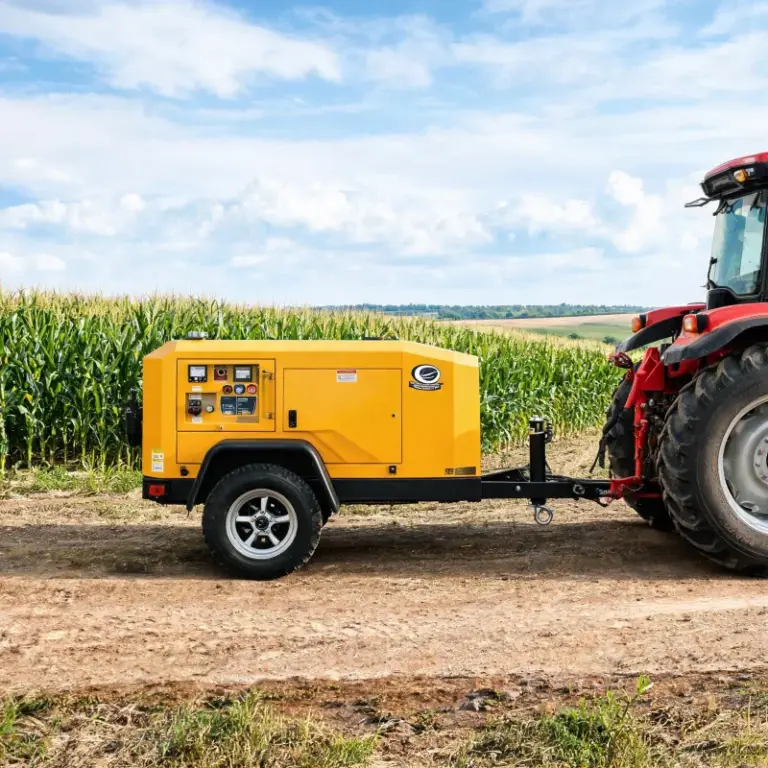
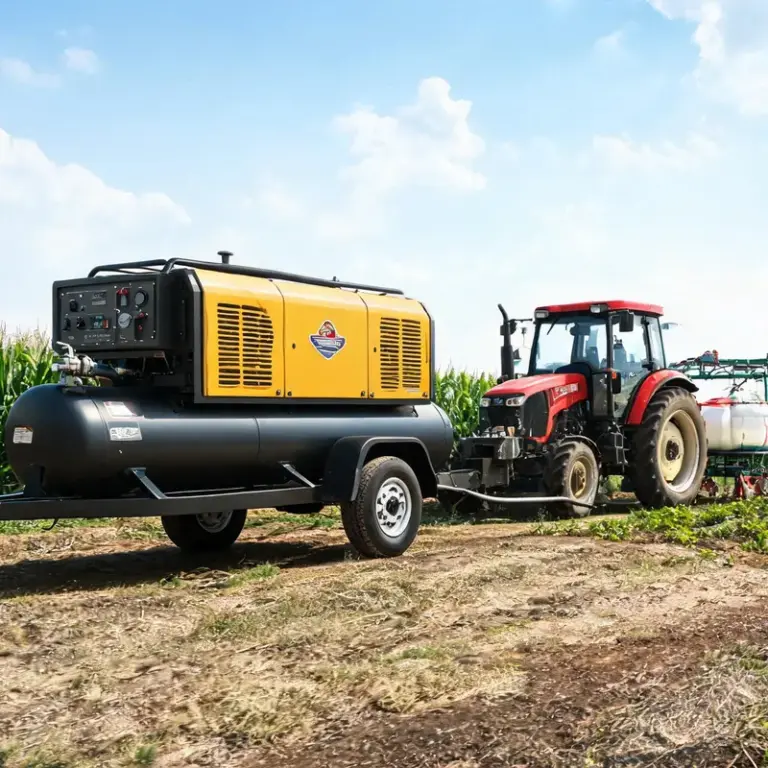
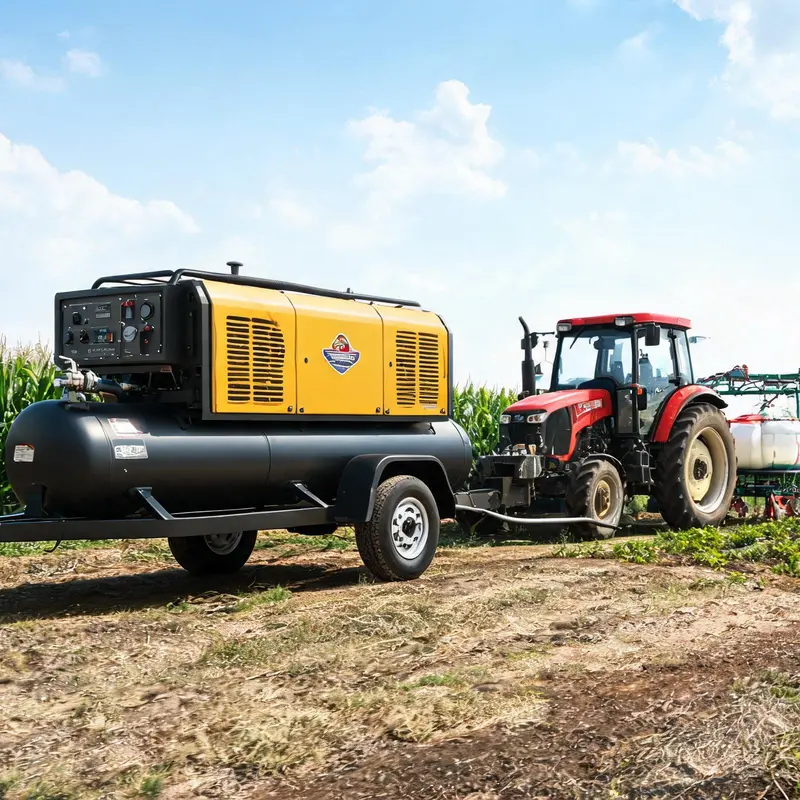
Agricultural field conditions differ drastically from other worksites. We’ve seen this play out dozens of times during peak season: teams park the unit on sun-baked bare ground, run it 10+ hours straight without breaks, and let hay dust and straw build up on cooling components without checking. The Equipment & Engine Training Council (EETC) 2021 failure data shows 72% of seasonal overheating issues stem from unaddressed on-site conditions, not inherent equipment defects.
Most units are rated for intermittent or partial continuous load, not full load across 12-hour harvest shifts. That means even a properly sized unit will overheat if you ignore basic environment adjustments.
Early Warning Signs of Imminent Overheating
Don’t wait for the automatic shutdown trigger to act. Catch these small changes early to avoid unplanned stops mid-job. Outlet air temperature is more than 25C above ambient air temperature. Output pressure fluctuates more than 10% without changes in load. You can only hold your hand to the outer casing for less than three seconds before it burns. You notice a sharp burnt smell coming from the lubricant circuit. These signs don’t lie. Stop and adjust before the issue escalates.
Step-by-Step Prevention for Long Shifts
Pre-Shift Preparation
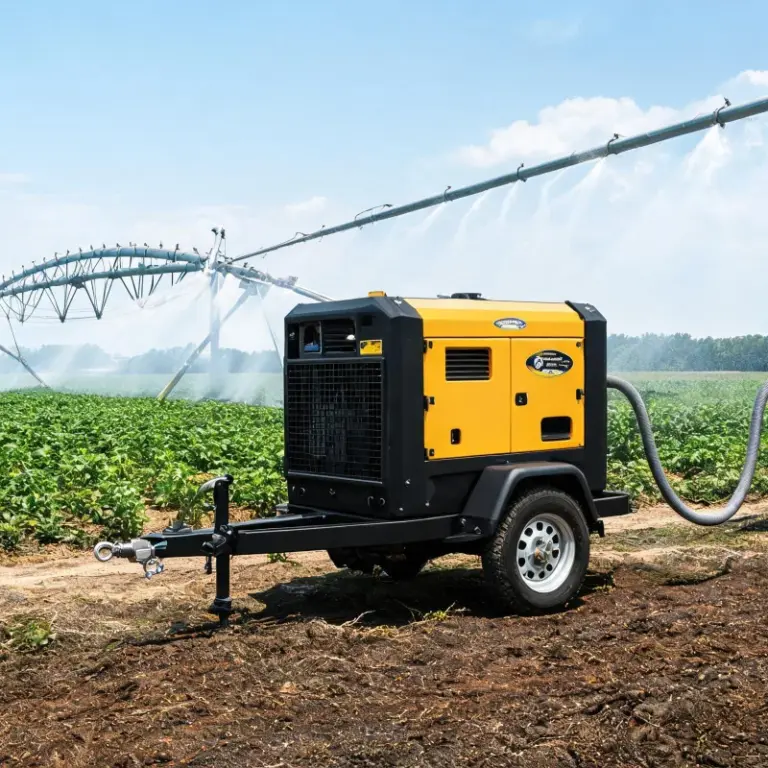
Start with 10 minutes of checks before you hook up tools. Clean all debris from cooling fins and the intake filter. Use a soft brush to dislodge packed hay dust, don’t blast it with high pressure air—that pushes fine dust into the internal intake manifold, where it will cause blockages later. Pick a placement spot in shade, on elevated ground with good cross ventilation. Avoid parking directly on hot packed dirt or asphalt that holds heat through the shift.
Mid-Shift Adjustment
If you’re running more than six hours straight, pull the load off and let the unit idle for 3 to 5 minutes. This lets the cooling system bring core temperatures down before you go back to full load. On days where ambient temperature tops 32C, reduce your continuous full load run time by 15% to match the higher heat load. Check lubricant level once per shift—low lubricant is the second leading cause of unplanned overheating.
Post-Shift Cool Down
Don’t shut off the unit immediately after a full shift. Leave it idling for three minutes to let residual heat work its way out of the core. Clear all straw and hay clippings from the exterior of the unit before you leave for the night. These materials trap heat overnight and can create a fire risk in hot weather.
Verification: How to Confirm Your Setup Works
You don’t need fancy tools to check if your prevention steps work. Run the unit at full load for four continuous hours, then check the casing temperature relative to ambient. If the temperature rise is 20C or lower, your setup meets most manufacturer tolerance requirements per 2022 Ag Equipment Manufacturers Association maintenance guidelines. If you run a full 10-hour shift without crossing that threshold, your changes are working. If temperatures rise faster than that, you have an underlying blockage or sizing issue to address.
What You Should Never Do
This is the most common mistake I see on farm sites. Never remove the outer casing to “improve cooling”. The housing is designed to create a directed airflow path that pulls cool air in through the intake and pushes hot air out the exhaust. Removing it disrupts that flow, causes hot air to recirculate around the core, and raises internal temperatures by 5 to 8C in most tests. It also lets more dust and debris into internal components, speeding up wear.
When to Upgrade Your Setup
If you’ve followed all the steps above and still see chronic overheating during long shifts, it’s time for an upgrade. First check if your unit’s continuous duty rating matches your actual load. Most small units are only rated for 50% continuous duty, so if you’re running full load 10 hours a day, you’re exceeding the design limit. In that case, add a second unit or upgrade to a model rated for 100% continuous duty. If your cooling fins are corroded or permanently blocked with debris, replace the cooling core—downtime during peak season costs far more than the replacement part.
Implementation Checklist
- Pre-shift: clean cooling components, check lubricant level, select placement
- Mid-shift: check temperature after 4 hours, add cool down break if needed
- Post-shift: idle to cool, clear debris from unit exterior
Pitfalls to Avoid
- Never remove the outer compressor housing for extra cooling
- Don’t ignore small temperature fluctuations early in the shift
- Don’t park units on hot packed dirt during midday peak heat
Expert Insights
Overheating is almost always a setup or maintenance issue, not a manufacturing defect | Jake Miller, Field Equipment Maintenance Engineer
Further Reading
About the Editorial Team
Frequently Asked Questions
How often should I clean cooling components during harvest season?
Clean the intake filter and cooling fins every three days during continuous operation, with a full deep clean once per week.
Can I run my compressor continuously for 12 hours straight?
Only if your unit is rated for 100% continuous duty. Even then, add a 3-5 minute idle cool down every six hours.
How much does ambient temperature affect overheating risk?
A lot. When ambient temperatures top 32C, reduce continuous full load by 10-15% to keep temperatures stable.
Why is removing the outer housing bad for cooling?
It disrupts the designed airflow path, causing hot air to recirculate around the core and raise internal temperatures.
What temperature rise is considered acceptable for continuous operation?
A 20C rise above ambient temperature falls within most manufacturer tolerances for agricultural units.