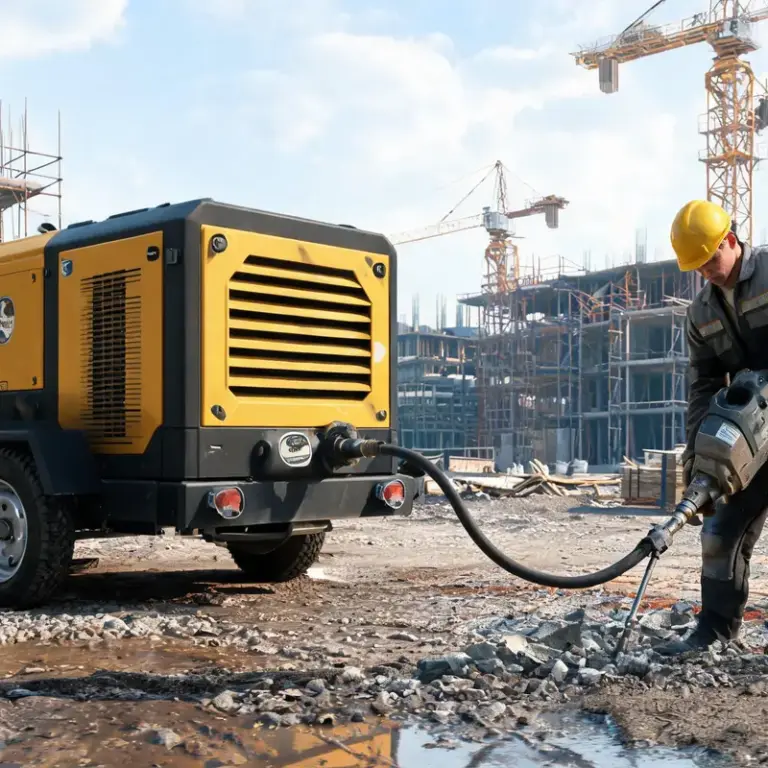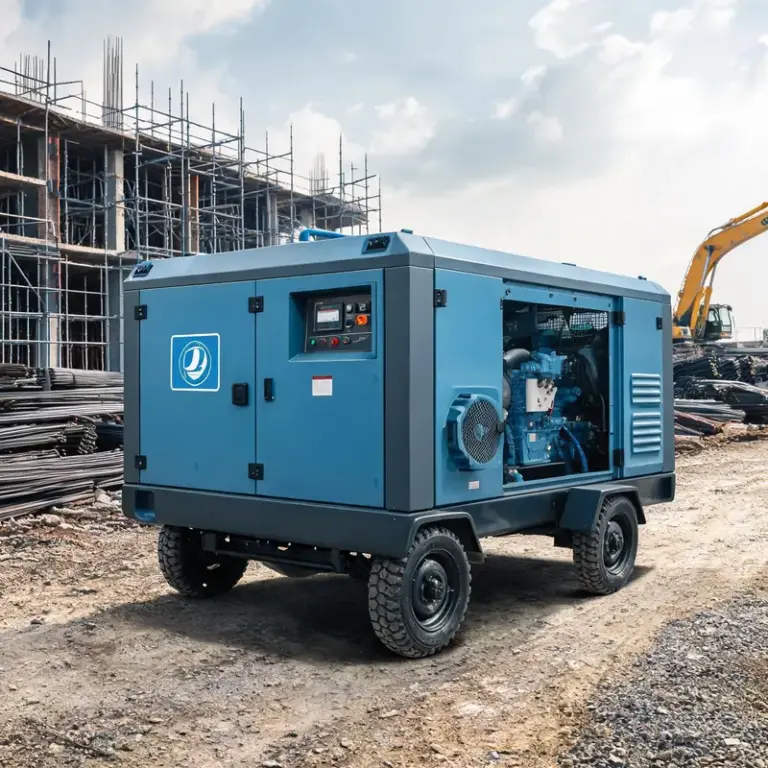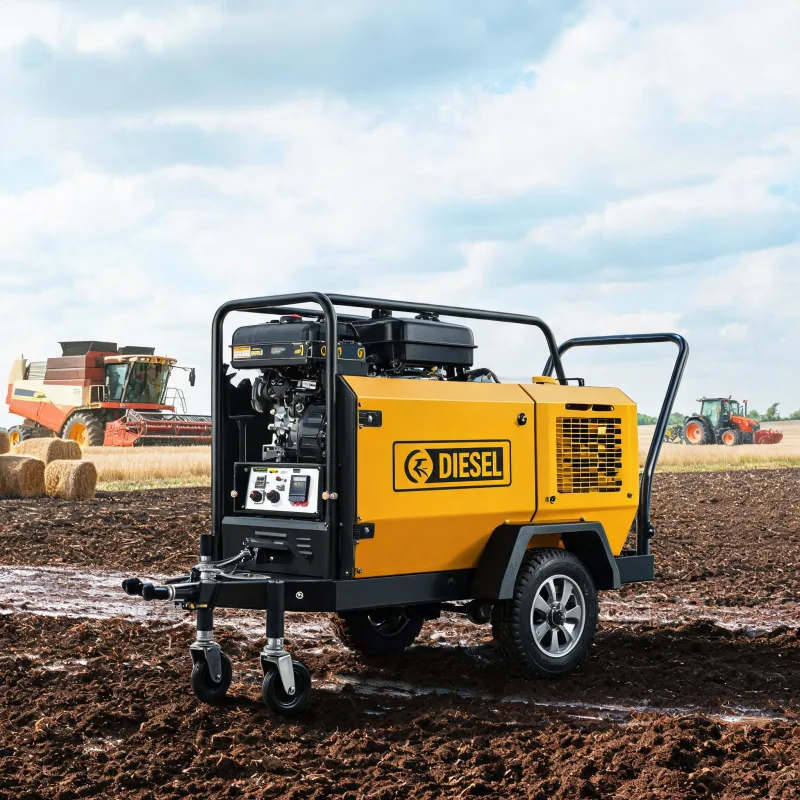
Aligning Stakeholder Needs When Sourcing Mobile Diesel Air Compressors for Large Commercial Farms
Align operator, maintenance and procurement priorities to select the right mobile diesel air system for large commercial agricultural operations
Key Takeaways
- On-site farm operators prioritize mobility and consistent power output across uneven terrain.
- Maintenance teams require easy service access and fully compliant emission systems.
- Procurement teams focus on total 10-year cost of ownership rather than just upfront price.
- A shared on-site acceptance test aligns all groups on final performance requirements.
Related: sourcing for large farms · stakeholder alignment · field deployment · power for farm tools · cost breakdown for agriculture · portable farm power · cross-site work support
Conflicting Priorities Across Stakeholder Groups
We’ve seen multiple projects delayed for 6+ months just because no one documented each group’s non-negotiables upfront. On-site operators need a unit that moves easily across uneven terrain, starts reliably in extreme heat or cold, and delivers consistent power for hours at a time. Maintenance teams need units that are easy to service, with standard parts and compliant emission systems that avoid local fines. Procurement needs to stick to a budget and keep total long-term costs low, even if that means trading off some premium features. No single group gets everything they want. The goal is to separate non-negotiables from nice-to-haves early.
Non-Negotiable Hard Metrics for Each Team
Each stakeholder group has requirements that cannot be compromised without creating long-term problems.
For On-Site Operators
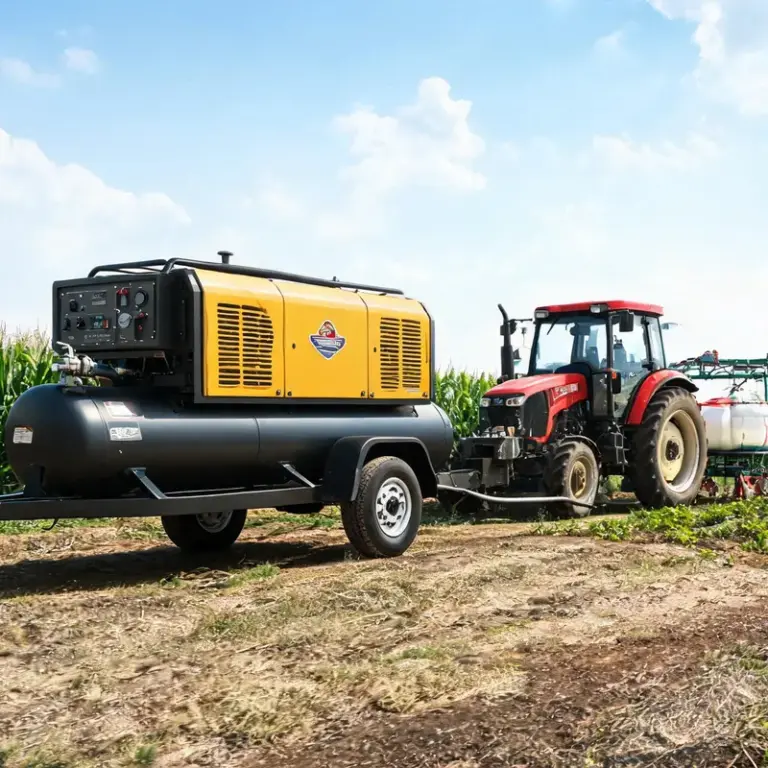
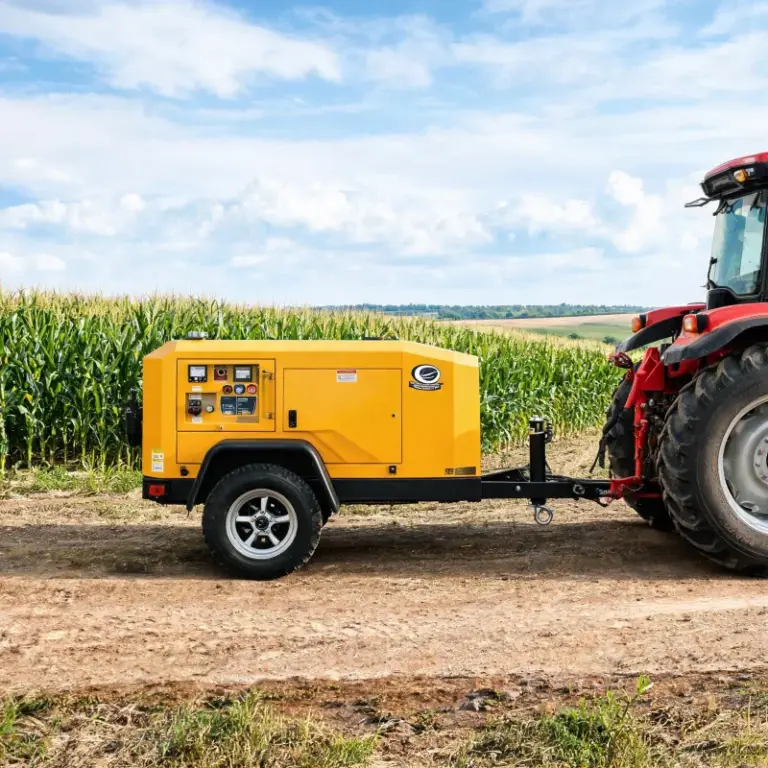
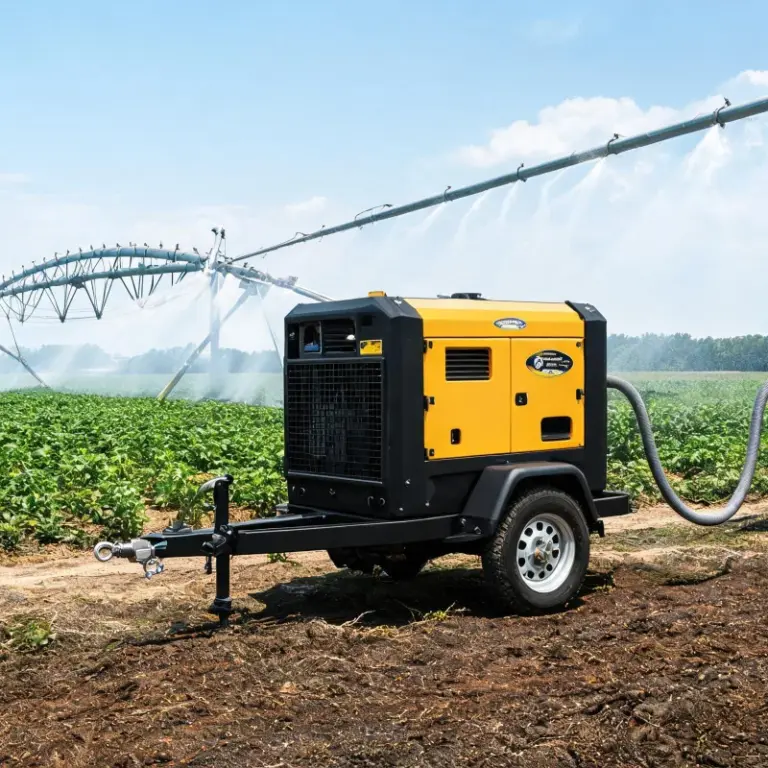
The unit must handle the maximum power output required for your most common heavy tools. Most large-scale agricultural work needs a minimum of 185 CFM at 100 PSI. It must also have a wheeled base with enough ground clearance to navigate unimproved field access roads. Without this, you’ll waste hours moving the unit between work sites every week.
For Maintenance Teams
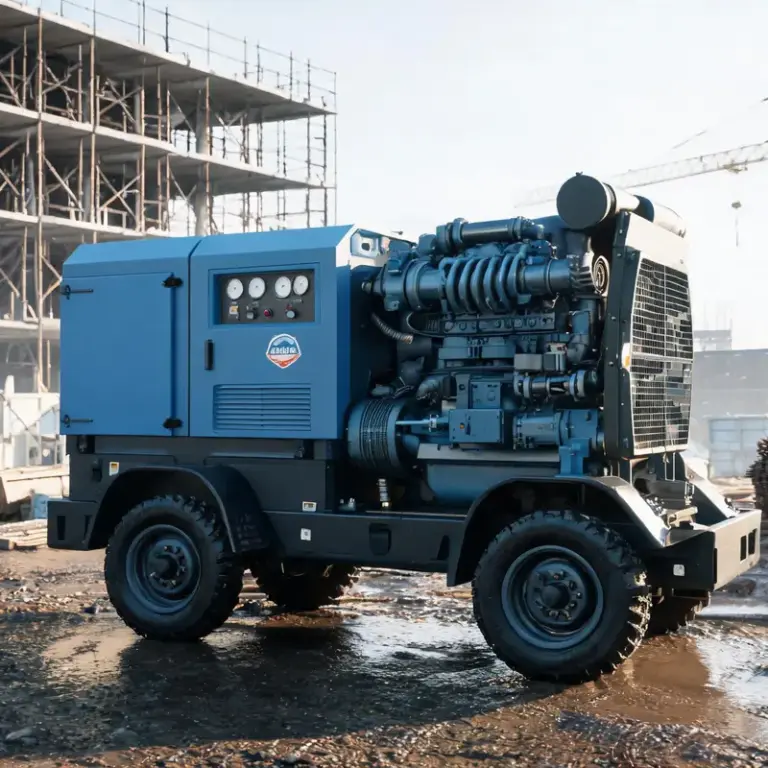
Emission compliance is non-negotiable. Any new unit must meet current regional standards for non-road diesel equipment. Service points for oil, filters, and fluids must be accessible without lifting or removing heavy body panels. This cuts down routine service time by 30% on average.
For Procurement
The total 10-year cost of ownership must fit the approved budget. This includes upfront purchase, fuel, routine maintenance, and projected replacement part costs. Procurement also requires a clear warranty term that covers major component failure for a minimum of 3 years.
This configuration is only justified for operations with work spread across more than 2 miles of scattered fields. If all your work is centralized within a 100-yard radius of a fixed power grid, a stationary electric system will cut 30-40% of long-term operating costs, per 2023 American Farm Bureau data.
Common Ground and Acceptable Compromises
Most conflicts can be resolved by separating core needs from optional features. Operators can accept a slightly lower power output if the unit is lighter and easier to move, as long as it meets the minimum CFM requirement for 90% of your regular work. Maintenance can accept a unit with non-OEM replacement parts as long as the parts are readily available from multiple suppliers and meet original manufacturer specs. Procurement can approve a 10% higher upfront cost if the manufacturer extends the warranty by two years, which lowers long-term risk and reduces total ownership cost over time.
Shared Acceptance Criteria for Final Selection
Once you align on priorities, you need a shared test to confirm any candidate unit meets all non-negotiable requirements. First, run the unit at maximum load for 2 consecutive hours to confirm it maintains consistent pressure and does not overheat. Second, check that all service points are accessible to your maintenance team without special tools. Third, confirm all emission and safety documentation matches regional regulatory requirements. This test takes half a day, and it eliminates last-minute disagreements after the unit is delivered.
Decision Guide
| Stakeholder | Non-negotiable | Acceptable Compromise |
|---|---|---|
| Operations | Minimum 185 CFM output | 10% lower output if weight meets mobility needs |
| Maintenance | Current emission compliance | Older compliance only for secondary backup units |
| Procurement | 10-year total cost under $75,000 | 10% cost increase if warranty is extended 2 years |
| — | — | — | | Operations | Minimum 185 CFM output | 10% lower output if weight meets mobility needs | | Maintenance | Current emission compliance | Older compliance only for secondary backup units | | Procurement | 10-year total cost under $75,000 | 10% cost increase if warranty is extended 2 years |
Expert Insights
Most mispurchases happen when one stakeholder's needs are ignored during sourcing | Jim Hale, Commercial Ag Equipment Consultant
Further Reading
- Diesel Portable Air Compressor for Agricultural Field Maintenance Needs
- Diesel Portable Air Compressor vs Gas for Agricultural Use: A Practical Comparison
- Cost Breakdown for Construction-Grade Diesel Portable Air Compressors
- What Is The Best Diesel Portable Air Compressor For Agricultural Use: Top Picks & Guide
- Full Lifecycle Cost Breakdown for Mobile Diesel Compressors in Agricultural Post-Harvest Cleaning
- Debunking Common Myths About Monthly Safety Checks for Mobile Diesel Air Compressors
- Common Fault Diagnostics for Diesel Portable Air Compressor Meeting Carbon Reduction Standards
- Choosing Between Diesel Portable Air Compressor and Gas for Heavy Construction
About the Editorial Team
Frequently Asked Questions
What minimum power output do I need for large commercial agricultural work?
Most operations need at least 185 CFM at 100 PSI to power common heavy agricultural tools. Size up 20% if you regularly run multiple tools at once.
What emission rules apply to new diesel-powered mobile units in the U.S.?
2022 EPA non-road Tier 4 Final standards apply to all new equipment sold for agricultural use. Some states offer exemptions for low-usage units, so check local rules.
Can this unit work across multiple scattered fields in a single day?
A properly configured wheeled unit can be towed between fields on a standard trailer, so it works for multi-site daily work.
Who should lead the sourcing process for this equipment?
Assign a single project coordinator to collect non-negotiables from each stakeholder before evaluating options, to avoid delays.
How often does routine maintenance need to be completed?
Most units require oil and filter changes every 100 to 200 hours of operation, depending on load.