Step-by-Step Upgrade Path for Farm Mobile Air Supply to Meet Sustainable Goals
This staged upgrade guide helps you adopt new sustainable innovations without extended farm downtime.
Key Takeaways
- Baseline usage and emissions data prevents overbuying capacity you don’t need
- 2023 ISO 14067 standards outline requirements for most sustainability incentives
- Schedule upgrades to match existing off-season downtime to avoid lost production
- Keep the old unit for one full season as a backup for unexpected issues
Related: farm air system upgrade · sustainable farming equipment · mobile air for agriculture · staged equipment replacement · low emission farm power · farm energy efficiency
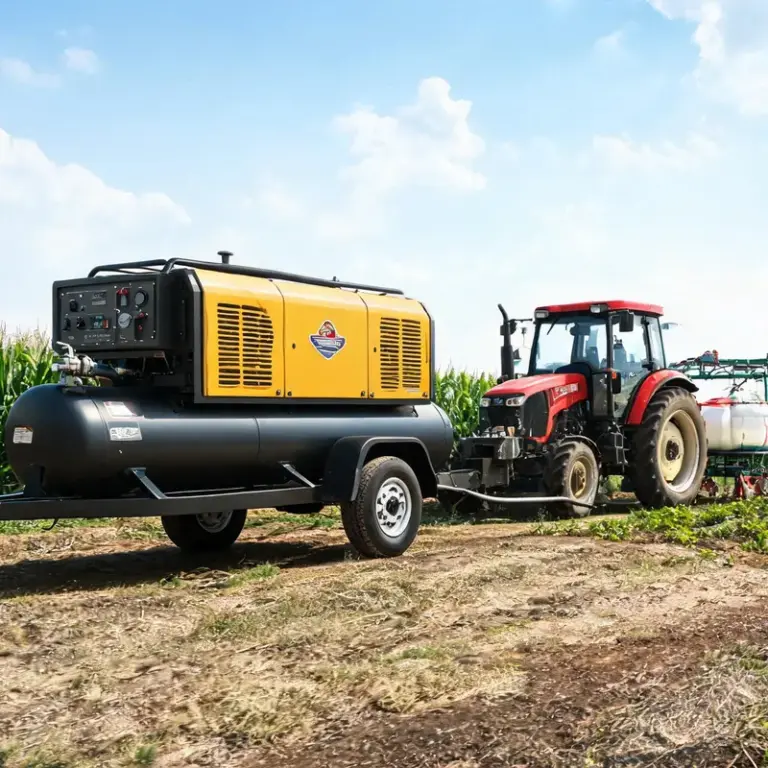
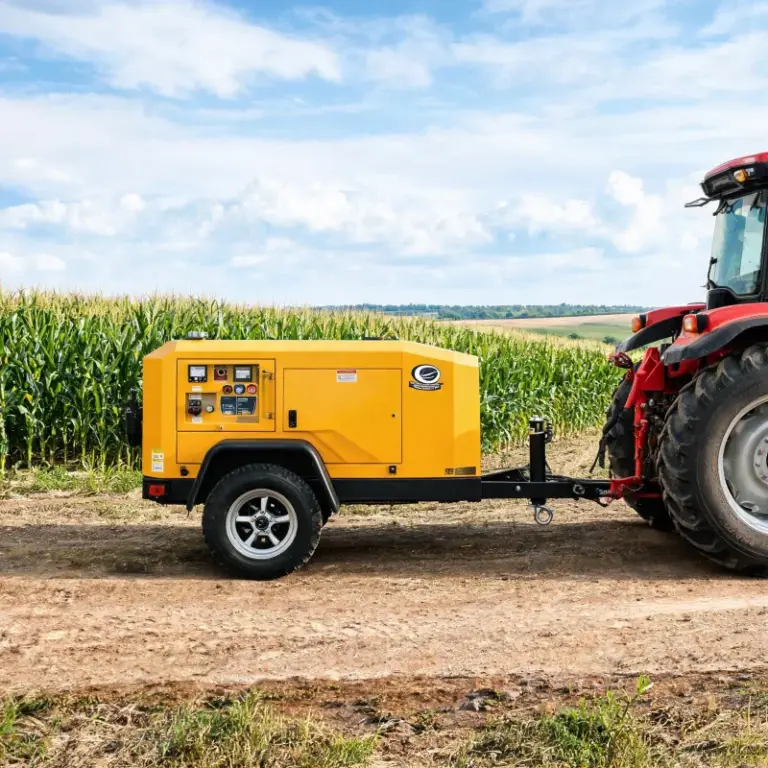
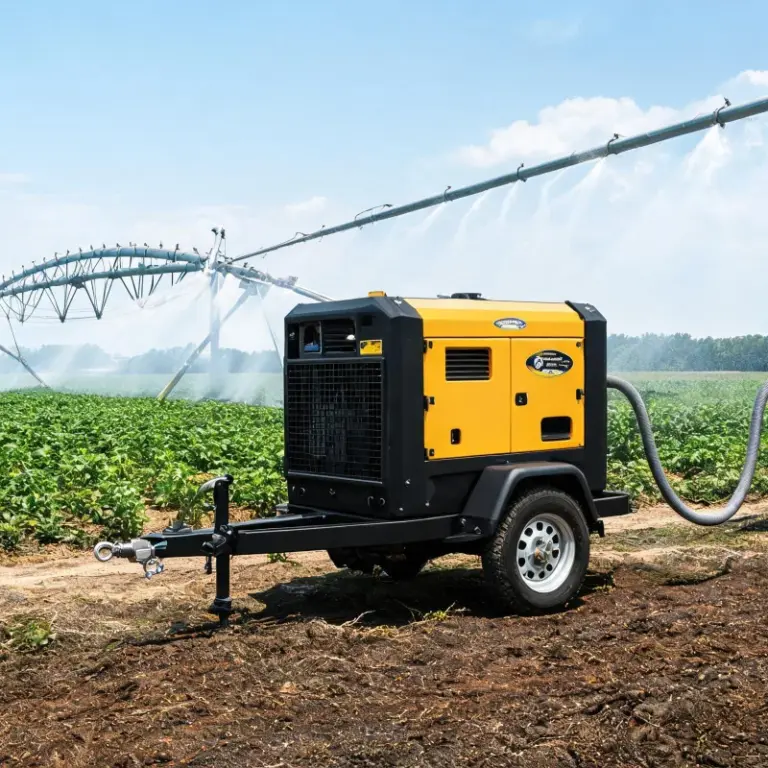
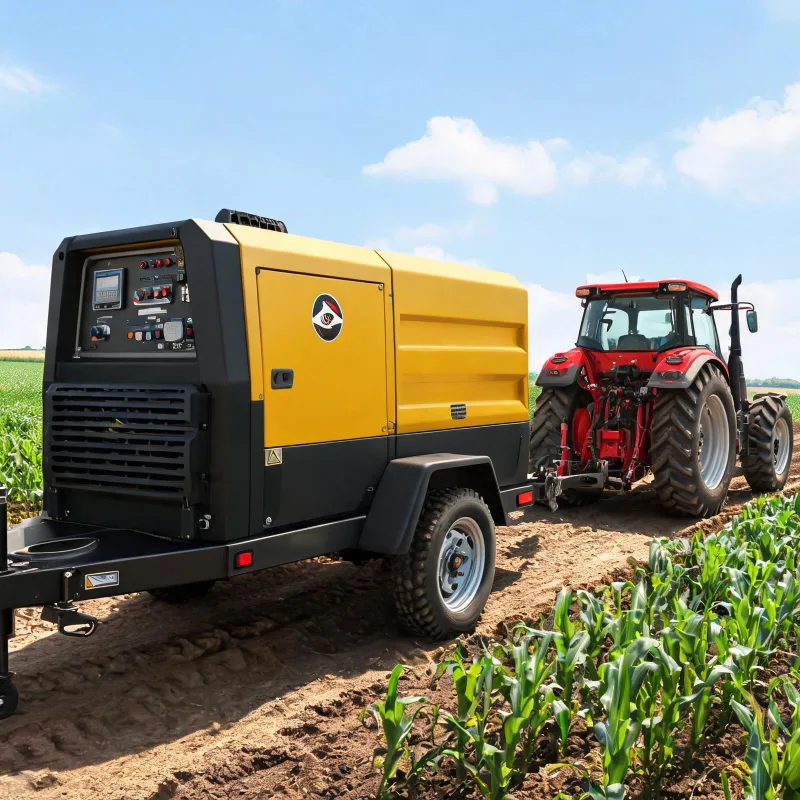
Last summer I worked with a 1200-acre corn and soybean operation in central Iowa, where they ran their existing mobile air unit through 12-hour days during irrigation season. Dust clogged intake filters and fuel consumption was 30% higher than the manufacturer’s original rating, even after regular filter changes. That’s when they started looking at new innovations aligned with their carbon reduction goals. If you currently use a tow behind air compressor for off-grid farm tasks, this step-by-step path will work for your operation.
Current System Assessment
First, map how your existing unit is used across the year. Count the number of operating hours per season, and track fuel use vs output to get a baseline. Most older units don’t have built-in emissions monitoring, so you can use a portable emissions tester to get accurate data for your sustainability reports.
Check alignment with the 2023 ISO 14067 standard for product carbon footprinting, which many farm sustainability incentive programs now require. Spending half a day during a slow season to log this data before you start planning any changes. Most farms skip this and overspend on capacity they don’t need.
Clear Triggers for Upgrade
Not every older unit needs to be replaced right away. Common triggers that justify an upgrade include: fuel consumption 20% above baseline year over year, inability to meet emissions requirements for carbon credit programs, and repeated unplanned outages during critical operating windows.
New innovations in this space include hybrid solar-fossil fuel setups that cut idle emissions by up to 40%, per 2024 data from the International Energy Agency (IEA) sustainable farming working group.
Don’t upgrade just to get the latest features if your unit runs less than 100 hours a year. The payback period will stretch beyond a decade, making it a poor investment. Mark any of these triggers on your annual farm maintenance calendar to review yearly.
Temporary Transition Options
If you can’t commit to a full replacement right away, there are low-cost transition options to reduce emissions immediately. Retrofitting a catalytic converter to your existing unit can cut particulate emissions by 25% for a fraction of the cost of a new unit. This works best if your existing chassis and engine are still in good working order.
The USDA published a 2023 guide to sustainable farm equipment retrofits that lists eligible upgrades for partial incentive funding. Check your local farm bureau’s incentive list before committing to a retrofit to see if you qualify for cost sharing. It’s not a permanent fix, but it buys you time.
Staged Switching Steps
Plan the full replacement around your existing farm workflow. Most farms have a 1-2 week downtime window between harvest and planting, which is the ideal time to complete the swap.
First, stage the new unit at your farm yard a week before downtime to complete all inspections and testing off the critical path. Next, remove the old unit and complete any necessary hookups to your existing fuel or solar power infrastructure during the first two days of downtime. Finally, run a full 4-hour test cycle before you store the unit for the off season, to catch any issues before you need it next.
Share the timeline with all farm staff 2 weeks in advance to avoid conflicting with other offseason projects.
Rollback Contingency Plan
No upgrade goes perfectly to plan. If the new unit fails testing or has unforeseen compatibility issues, you need a working rollback plan. Keep the old unit stored intact at your farm for one full operating season after the swap. That way, if the new unit has issues during peak demand, you can re-hook the old unit within 24 hours.
Once you’ve gone a full season without issues, you can sell or salvage the old unit. Don’t skip this step.
Implementation Timeline
- Pre-upgrade assessment: 1 day during off-season
- Retrofit transition: 2-3 days within 3 months of assessment
- Full replacement: 3-5 days during scheduled downtime
- Post-upgrade monitoring: Full first operating season
Expert Insights
Staged upgrades balance sustainability goals with the practical constraints of farm operation | Jim Carter, Senior Farm Equipment Specialist
Further Reading
- Full Ownership Cost Breakdown: Tow Behind Air Compressors for Small Commercial Agriculture Producers
- Common Mistakes When Selecting a Tow Behind Compressor for Large-Scale Agriculture
- How to Pick the Right Trailed Air Compressor for Great Plains Dryland Farming
- Which Air Compressor Fits Your Farm? Stakeholder Comparison for Agricultural Operations
- Complete Step-by-Step Guide to Choosing a Diesel Portable Air Compressor for Centrifugal Industrial Operations
- What Can a Small Diesel Portable Air Compressor Power On Remote Sites?
- Diesel Portable Air Compressor: Use Cases for Buyers Near Houston Texas
- New Diesel Portable Air Compressor for Agricultural Operations: 2024 Trends & Picks
About the Editorial Team
Related Reading: Aligning Stakeholder Needs for Mobile Air Power to Run Center Pivot Irrigation Valves
Frequently Asked Questions
How long does a typical upgrade take to pay for itself?
For farms that run the unit 200+ hours per year, fuel savings and carbon incentive payments usually cover the cost in 5 to 8 years.
Can I use existing farm incentives to cover part of the cost?
Most regional and national sustainable farm programs cover between 10% and 30% of eligible upgrade costs, if the new unit meets minimum emissions standards.
Do I need new infrastructure to run a hybrid unit?
Most hybrid units can connect to existing farm fuel lines, and smaller setups don’t require major upgrades to your electrical system.
What if I don’t need a full-sized new unit?
You can downsize to match your actual operating hours, which cuts upfront cost and reduces unnecessary emissions.