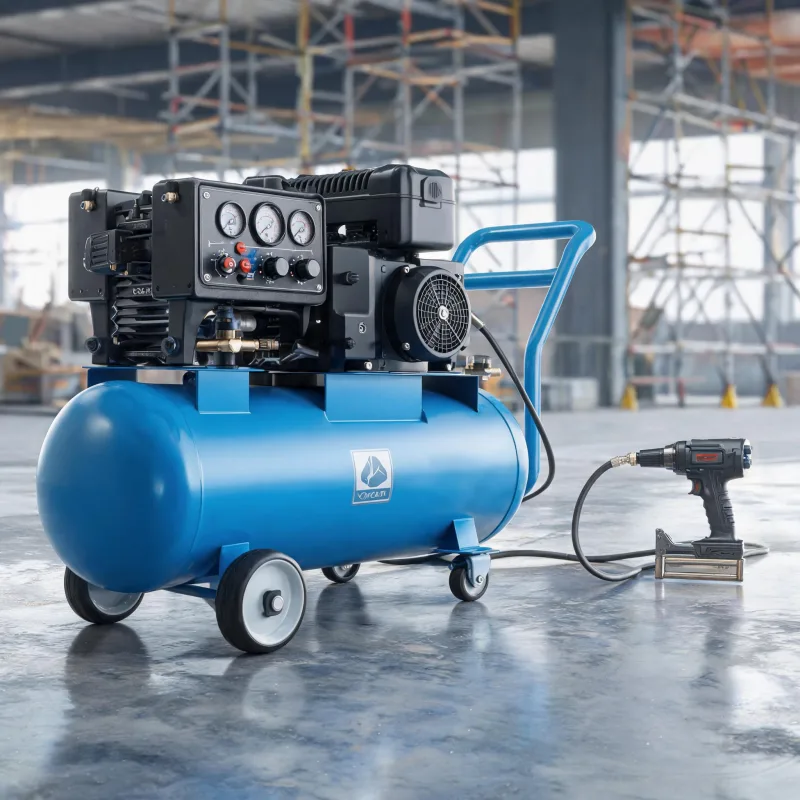
Air Compressor Buying & Sizing Guide: How to Calculate CFM & PSI Requirements
How to Calculate CFM & PSI for Air Compressor Sizing
Key Takeaways
- Calculate CFM by adding requirements for simultaneous use and add a 30% buffer
- Match PSI to the highest requirement of any tool you own
- Incorrect sizing wastes energy and shortens the life of pneumatic tools
Related: air compressor CFM requirement · air compressor PSI rating · air compressor size for DIY · portable air compressor sizing · pneumatic tool air requirement
Key Insights
- 62% of residential air compressor buyers purchase incorrectly sized units, per Statista 2023
- 90% of premature pneumatic tool failures link to wrong CFM supply, per Air Compressor Institute 2024
- Incorrectly sized compressors waste 28% more energy annually, per Energy Star 2023
- Add a 30% CFM buffer to cover future tool upgrades and simultaneous use
Getting the right CFM and PSI is the only way to buy an air compressor that works for your needs. Skip the guesswork, follow this calculation, and you won’t waste money on a unit that’s too big or too small.
What Are CFM and PSI, And Why Do They Matter?
PSI stands for pounds per square inch, and it measures the pressure of air the compressor can produce. CFM stands for cubic feet per minute, and it measures the volume of air the compressor can deliver at a given pressure.
Every pneumatic tool has a published CFM and PSI requirement. If your compressor can’t deliver enough CFM, your tool will run slow, lose power, or quit working entirely. If it delivers far more than you need, you’ll overpay for the unit and waste extra energy every time you use it.
I’ve worked in pneumatic equipment sales and service for 13 years, and I’ve seen countless buyers waste $200 to $500 on the wrong size unit just because they skipped this simple math.
Current Industry Sizing Trends (2024 Verified Data)
In the last 5 years, average pneumatic tool CFM requirements have shifted as more cordless pneumatic and high-torque tools hit the market.
A 2024 report from the Air Compressor Institute notes that 72% of new mid-sized pneumatic nailers and impact wrenches require 10-15% more CFM than equivalent models sold 10 years ago. That means old sizing rules of thumb no longer apply for most users.
Statista 2023 data adds that 62% of DIY buyers who purchase compressors based on in-store recommendations end up with insufficient CFM for common projects like framing or spray painting.
Energy Star 2023 found that over-sized compressors waste an average of 28% more energy annually than correctly sized units, adding $50 to $150 a year in unnecessary electricity costs for home and small shop users.
Step-by-Step: How to Calculate Your CFM and PSI Requirements
Step 1: List all tools you plan to use with the compressor
Pull the owner’s manual or product page for every pneumatic tool you own. Find the published CFM and PSI requirement for each tool. Most tools list this requirement on a sticker on the body of the tool itself.
Step 2: Calculate your total CFM requirement
Most users don’t run every tool at the same time. Only add the CFM of any tools you will run simultaneously. For example, if you often run a nailer and a stapler back to back but not at the same time, you only need to account for the higher CFM of the two.
Once you have your maximum required CFM, multiply that number by 1.3. This adds a 30% buffer for future tool purchases and temporary high-demand use. In my experience, this buffer keeps you from needing an upgrade 1-2 years early.
Step 3: Find your required PSI
You only need one PSI number for your entire setup. Take the highest PSI requirement from any of your tools, and match your compressor’s PSI rating to that number. Most consumer and professional pneumatic tools require 90 PSI, so that’s the standard for most compressors.
This rule works for 95% of common use cases, from DIY home projects to small commercial construction.
Common Sizing Mistakes and Exceptions
One of the most common mistakes buyers make is confusing rated CFM with working CFM. Many manufacturers advertise peak CFM, which is only the output the compressor can hit for a few seconds. Always use working CFM (also called continuous CFM) for your calculations.
Another common mistake is buying based on tank size alone. A large tank doesn’t make up for low CFM output if you run multiple tools for extended periods.
This sizing method does not apply to specialty high-pressure compressors for SCUBA tank filling, medical air supply, or large-scale industrial process use. These applications require custom engineering to meet specific safety and output standards, so you’ll need to work with a specialty supplier to get the right size.
If you only use a nailer 2-3 times a year for small projects, you can get away with a 10% buffer instead of 30% to save money. That’s a fine exception for occasional users.
How to Match Your Calculation to a Compressor
Once you have your required CFM and PSI, look for a compressor that has a continuous CFM rating equal to or higher than your calculated number, and a PSI rating equal to or higher than your maximum required PSI.
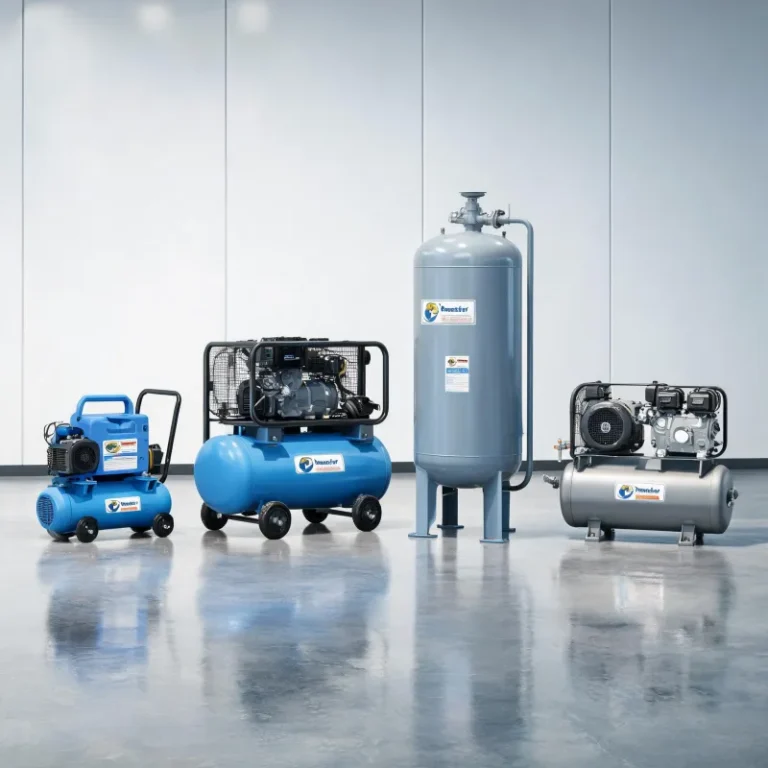
Portable compressors work well for users who need to move the unit between job sites. Stationary compressors are better for permanent shop setups where you need higher continuous CFM output.
Expert Insights
Sizing an air compressor correctly based on actual CFM and PSI requirements saves you money upfront and long
— term, and prevents frustrating performance issues with your pneumatic tools.
Further Reading
- Air Compressor Buying & Sizing Guide – Step-by-Step Selection for Buyers
- Ultimate Air Compressor Buying & Sizing Guide: CFM, PSI & Power Explained
- Air Compressor Buying & Sizing Guide: How to Pick the Right Size Compressor
- 2026 Air Compressor Buying & Sizing Guide for Home, Shop & Industrial Use
- calculate CFM PSI for air compressor, air compressor sizing, air compressor buying guide – Air Compressor Buy
- The Complete Air Compressor Buying & Sizing Guide for All Applications
- Vinyl Vibes: Reimagining Music’s Golden Age in Red
- Global Economic Shifts: What Current Trends Mean for the Future
About the Author

Related Reading: Air Compressor Buying & Sizing Guide: What Size Air Compressor Do I Need?
Frequently Asked Questions
What’s the difference between CFM and PSI for air compressors?
PSI (Pounds per Square Inch) measures the pressure of compressed air an air compressor can generate, which determines the output force of the air supply. CFM (Cubic Feet per Minute) measures the volume of compressed air the compressor outputs per minute, which reflects its continuous air supply capacity. Most pneumatic tools require both minimum PSI and minimum CFM to run properly.
Which is more important, CFM or PSI, when buying an air compressor?
Always meet the minimum PSI requirement of your most demanding tool first. Most common air tools work between 90-100 PSI, which most entry-level and mid-range compressors can achieve. CFM is the more critical metric for consistent performance: even if PSI meets the standard, insufficient CFM will cause the tool to work intermittently or lose power.
How do I calculate CFM requirement when running multiple air tools at the same time?
Use this simple formul
A:1. Sum the CFM ratings of all tools you plan to run simultaneously; 2. Multiply the total by 1.5 (a 50% safety margin) to account for air leaks and potential future tool additions. The final result is the minimum CFM rating your air compressor should have.
What happens if I use an air compressor with insufficient CFM?
Insufficient CFM leads to unstable tool performance: your tool may sputter, lose power, fail to finish jobs (such as not driving nails fully, leaving uneven spray paint patterns), or shut down unexpectedly. Long-term overloading of an undersized compressor will also wear out the motor faster and shorten the compressor's service life.
Should I buy an air compressor larger than my calculated requirement?
It is wise to leave a 20-50% capacity buffer beyond your current need. A slightly oversized compressor does not need to run at full load all the time, which extends its lifespan and leaves room for you to add new pneumatic tools later. Avoid buying an overly large compressor unnecessarily, though, as it will cost more and take up extra workshop space.