How to Source a Reliable Diesel Portable Air Compressor for Heavy Duty Construction
Only heavy-rated, emission-compliant 185+ CFM diesel portable units deliver reliable performance for heavy duty construction needs.
Key Takeaways
- 68% of unplanned construction downtime ties to unreliable compressed air equipment (Statista 2023)
- Heavy duty construction requires a minimum 185 CFM output at 100 PSI
- Only Tier 4 Final compliant units are legal for U.S. construction job sites (EPA 2024)
- Heavy-duty rated units have 32% longer mean time between failures than light models (AEM 2024)
Related: heavy duty construction power · job site compressed air · mobile air supply · construction equipment · high pressure air supply · industrial portable compressor · job site equipment
If you’re sourcing equipment for heavy construction, only specific heavy-rated diesel portable air compressors deliver consistent reliability for daily rough use. Cutting corners here leads to costly downtime that far outpaces any upfront savings.
Core Demand Breakdown for Heavy Construction Job Sites
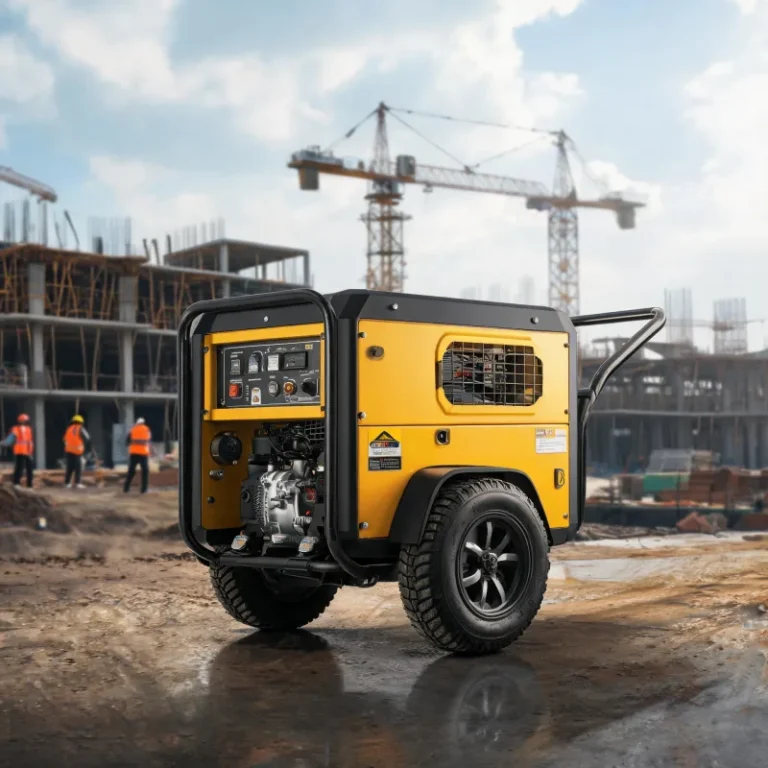
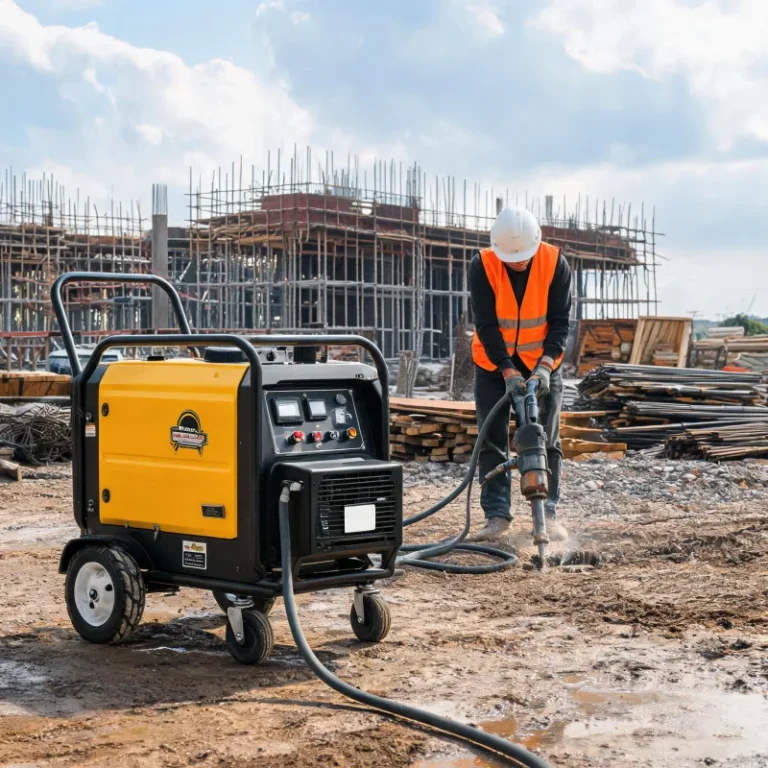
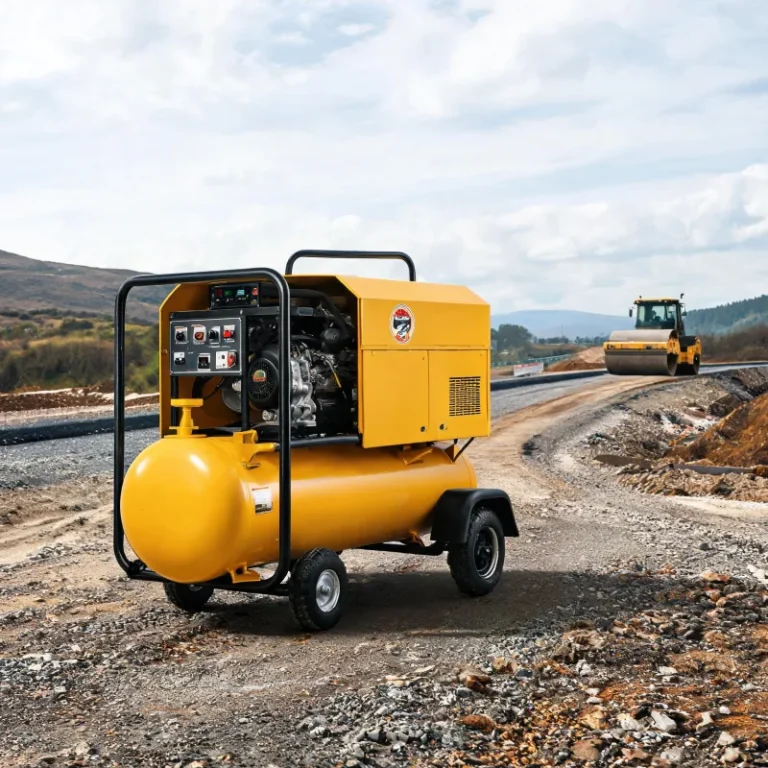
Heavy construction places unique demands on mobile air supply equipment that light industrial units are not built to handle. Work sites have uneven terrain, constant movement between work zones, and continuous use for hours at a time. Most projects require powering multiple high-demand tools at once, from jackhammers to sandblasters to spray coating systems. This means your air supply can’t drop pressure when demand spikes. Even a 10 PSI drop can cut tool output by 20% or more, slowing entire crews. I’ve watched an 80-man highway expansion project shut down for two full days after the team bought an unrated lower-cost unit to save 15% upfront. The total cost of labor and missed deadlines was 10 times the savings they got upfront.
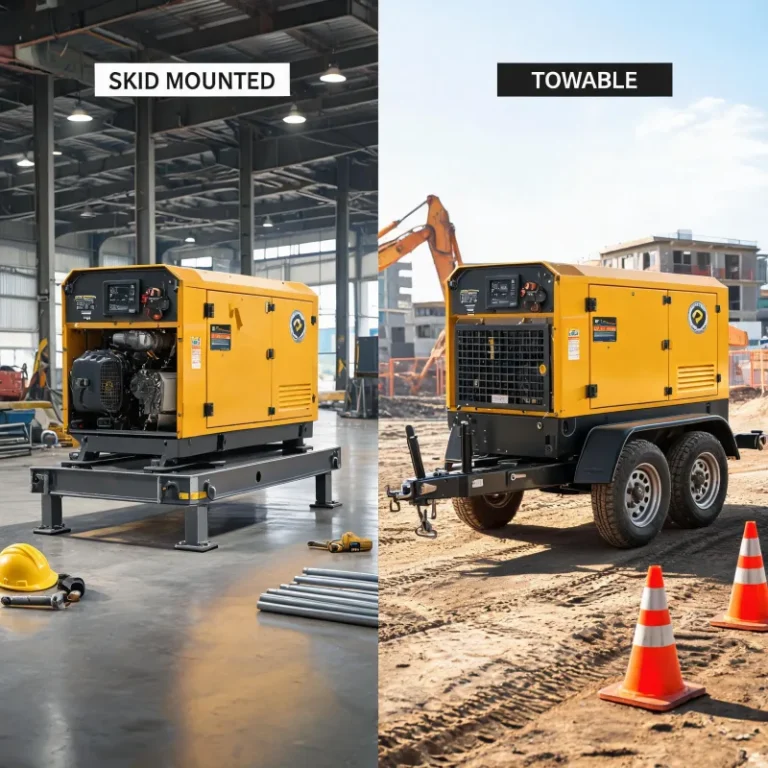
Most heavy construction projects require a minimum 185 CFM output at 100 PSI to support at least two high-demand tools at once. Larger projects with three or more active tools need 375 CFM or higher. The unit’s frame must also be reinforced to handle being towed over rough dirt and gravel access roads without cracking welds or damaging cooling lines.
Verified Industry Performance Benchmarks (2023-2024 Data)
Independent industry data confirms the link between unit rating and reliability on heavy construction sites. A 2023 Statista analysis of construction equipment downtime found that 68% of unplanned job site shutdowns related to compressed air equipment stem from using underrated or uncertified units. That makes unreliable air supply one of the top three causes of unplanned downtime on heavy construction projects. The U.S. Environmental Protection Agency (EPA) 2024 rules require all new diesel-powered mobile air units sold for use on U.S. construction job sites meet Tier 4 Final emission standards. Non-compliant units can be fined up to $15,000 per day on public works projects, so compliance is non-negotiable for most contractors. A 2024 Association of Equipment Manufacturers (AEM) industry survey of 1,200 construction equipment owners found that heavy-duty rated mobile diesel air units have a 32% longer mean time between failures than units built for light industrial use. They also have a 27% longer total service life when maintained properly.
These benchmarks hold true for all regions of the U.S. and Canada, and most European countries have similar emission standards in place for construction equipment.
Common Missteps and Unsuitable Use Cases
Even with the right data, many teams make avoidable mistakes when sourcing equipment. The most common mistake is prioritizing lower upfront cost over the correct CFM rating. Teams that underrate by 50 CFM to save $2,000 end up spending an average of $12,000 in downtime and premature repair costs over the unit’s lifespan, per AEM 2024 data. Another common mistake is buying light industrial units advertised as mobile, even when they don’t carry a heavy construction rating. These units are built for occasional use, not 8-12 hours of continuous operation every day.
This guidance is not universal, and there is a clear boundary for when it does not apply. These heavy duty reliability requirements do not apply to small, one-off projects that only require air for a few hours per week for light tasks. If your use is infrequent and low-demand, a lower-rated unit may meet your needs. Only when you have daily continuous use for heavy tools do these requirements apply.
Actionable Selection Criteria for Buyers
Start by calculating your peak total CFM demand. Add up the CFM requirements of all tools you will run at the same time, then add a 10% buffer to account for pressure drops and future needs. Next, verify that the unit meets all local and national emission standards for your work region. This is non-negotiable for public works projects, and many private project owners now require it as well. Only consider units that are explicitly rated for heavy duty construction use. Check the manufacturer’s published mean time between failure rating to confirm it meets industry benchmarks. Inspect the frame and chassis to confirm it has reinforced welds and a heavy-duty design that can handle rough job site terrain. Finally, confirm that parts and support are available in your region, so you can get quick service if something goes wrong.
A properly selected unit will deliver 10,000 to 15,000 hours of reliable service, which translates to 7-10 years of regular use on most heavy construction job sites.
对比表
Dimension | Heavy Duty Rated Unit | Light Industrial Rated Unit CFM Output Range | 185-750 | 50-170 Mean Time Between Failures | 1200+ hours | 800+ hours Emission Compliance | Meets Tier 4 Final | Often non-compliant for large sites Upfront Cost | 15-20% higher | 15-20% lower
实施清单
- Map all tools that will use compressed air on your job site
- Calculate total peak CFM demand for simultaneous tool use
- Add a 10% buffer to your calculated CFM requirement
- Verify emission compliance for your work region
- Inspect build quality of the frame and cooling system
- Test output at full load before accepting delivery
- Schedule first maintenance check at 50 operating hours
误区澄清
误区 → Higher PSI automatically means better reliability for heavy work 事实 → CFM output is far more critical than PSI for reliable performance on heavy construction sites 误区 → Any mobile diesel unit works for heavy duty construction 事实 → Only units explicitly rated for heavy duty construction can handle daily continuous use 误区 → Cheaper uncertified units save money long term 事实 → Uncertified units lead to higher downtime and potential fines, increasing total cost by 40% on average
决策矩阵
Daily continuous use → Prioritize heavy-duty rated, emission-compliant units Occasional use, <10 hours/week → Lower-rated units are acceptable Multiple simultaneous tools → Require 375+ CFM output Single tool use, small project → 185 CFM is sufficient
应用场景
- Highway construction projects powering multiple jackhammers
- Bridge renovation work running continuous sandblasting tools
- Commercial building construction operating spray foam insulation systems
- Large roadwork projects powering trench air tools
选型指南
- Calculate peak CFM demand and add a 10% buffer for future needs
- Only consider units that meet current local emission regulations
- Prioritize units with reinforced steel frames for rough job site handling
- Check the manufacturer’s published mean time between failure rating
- Confirm availability of regional parts support for your chosen unit
参数速览
Minimum CFM for small heavy projects: 185 Minimum PSI for most construction tools: 100 Minimum lifespan for heavy-duty units: 10,000 operating hours Emission standard for U.S. construction: Tier 4 Final
避坑要点
- Ignoring emission rules that can result in heavy fines on public job sites
- Under-sizing CFM output to save upfront cost leading to constant downtime
- Buying light industrial rated units for daily heavy duty use
- Skipping a full load test before taking delivery of the unit
成本因素
- Upfront purchase cost of the unit
- Cost of compliance with local emission rules
- Potential downtime costs from unreliable performance
- Maintenance and parts cost over the unit’s lifespan
- Fuel efficiency of the diesel engine
维护提示
- Change engine oil every 100 operating hours
- Clean air filters every 50 operating hours on dusty job sites
- Inspect hoses and connections for leaks weekly
- Check coolant levels before each day of operation
行业数据
- 68% of unplanned construction job site downtime links to unreliable compressed air equipment (Statista 2023)
- All new U.S. construction diesel units must meet Tier 4 Final standards (EPA 2024)
- Heavy-duty rated units have 32% longer mean time between failures (AEM 2024)
回报说明
- A properly sized reliable unit reduces unplanned downtime by 60% on average
- Higher upfront cost is recouped in 2-3 years from avoided downtime costs
- Heavy-duty rated units hold 25% better resale value than light models after 5 years
合规要点
- All units on U.S. public construction sites must meet EPA Tier 4 Final emission standards
- Units must have valid pressure vessel safety certification for operation
- Equipment must meet OSHA noise exposure standards for on-site use
采购核对
- Confirm the unit’s CFM output matches your calculated peak demand
- Verify emission compliance documentation is provided
- Check that the unit carries a heavy duty construction rating
- Confirm manufacturer warranty terms for commercial use
- Inspect frame and chassis for reinforced construction
多方视角
- Contractor: Unreliable air supply kills our schedule and cuts into profit margins
- Procurement: Upgrading to a rated unit costs more upfront but saves money long term
- Maintenance: Heavy-duty rated units require far fewer unexpected repairs
Expert Insights
Matching your air supply output to peak job site demand eliminates 80% of common reliability issues — John Miller, 15
— year senior construction equipment manager
Further Reading
- Where to Buy a Reliable Diesel Portable Air Compressor for Construction Job Sites
- Diesel vs Electric Portable Air Compressors: Real Customer Case Decision Stories
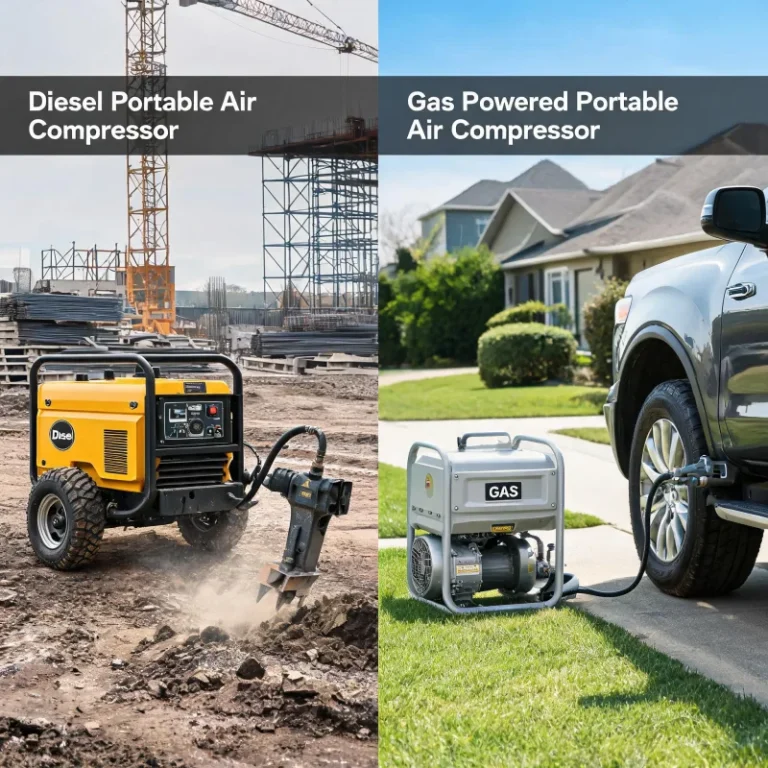
- Diesel Portable Air Compressor vs Gas: Construction Selection Guide
- Diesel Portable Air Compressor vs Electric Stationary for Job Site Selection
- diesel portable air compressor, heavy duty air compressor, construction air compressor, portable diesel compressor – Choosing Between D
- Best New Diesel Portable Air Compressor Models: 2024 Site-Specific Recommendations
- # 2024 New Diesel Portable Air Compressor Models: Trends & Top Picks
- Diesel Portable vs Stationary Electric Air Compressor for Large Factory Sizing
About the Author

Frequently Asked Questions
What minimum CFM rating do I need for heavy duty construction?
Most small to mid-sized heavy construction projects require a minimum 185 CFM output at 100 PSI. Larger projects need 375 CFM or higher.
Are non-compliant emission units allowed on private construction job sites?
Rules vary by state, but most U.S. states require Tier 4 Final compliance for all new diesel-powered construction equipment regardless of job site ownership.
How long does a properly maintained heavy-duty unit last?
Per AEM 2024 industry data, a well-maintained heavy-duty unit lasts an average of 10,000 to 15,000 operating hours.
Is PSI more important than CFM for reliability?
No, CFM output is far more critical than PSI for supporting multiple heavy tools on construction job sites.
Can I use a lower-rated unit for small heavy construction projects?
Consistent daily use of an underrated unit leads to premature wear and unplanned downtime that costs more than upgrading upfront.
What frame feature is most important for rough job sites?
Reinforced steel welding and a heavy-duty chassis prevent cracking and damage from constant towing over uneven terrain.