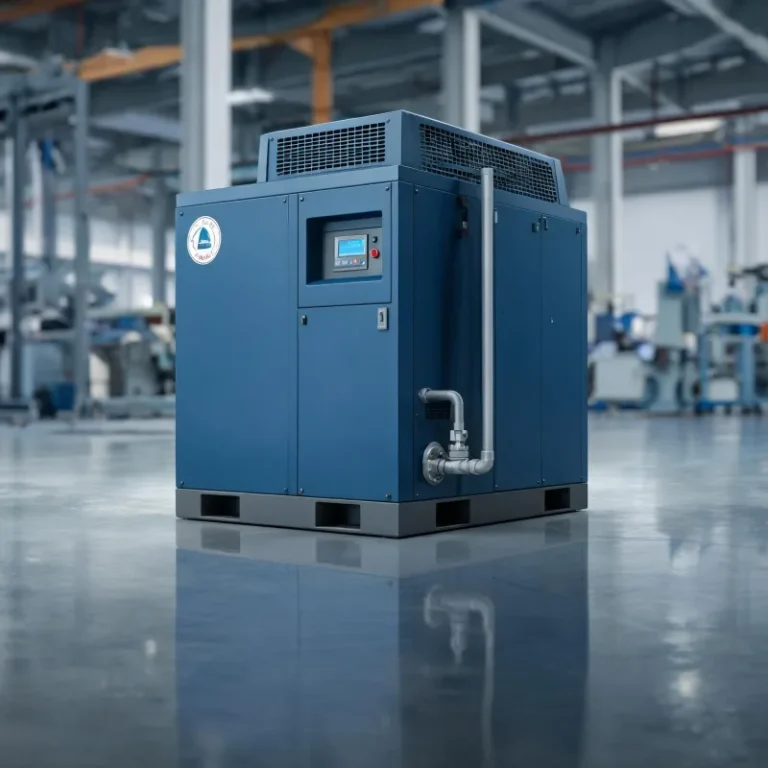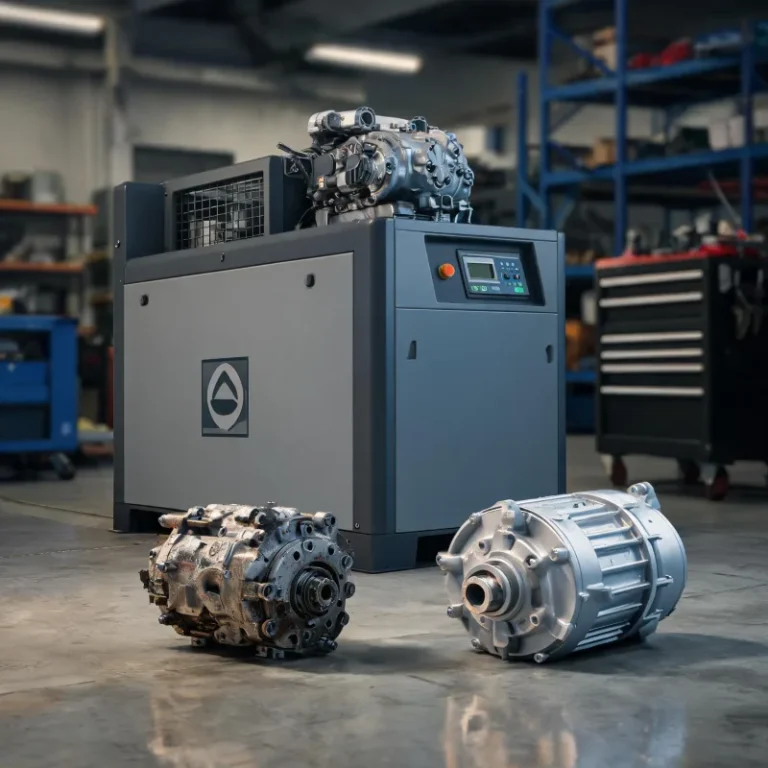
How to Eliminate Water and Oil Impurities in Compressed Air
Proven Methods to Remove Water and Oil Contaminants from Compressed Air
Key Takeaways
- Staged treatment delivers 99.9% contaminant removal for most uses
- 70% of industrial compressed air systems fail purity standards (CAGI 2023)
- Point-of-use filtration is required for critical food and pharmaceutical uses
- Automatic drains cut residual water buildup compared to manual options
Related: compressed air treatment · remove oil aerosols · drain condensed water · compressed air purity · point-of-use filtration · refrigerated air dryers
Most water and oil impurities in compressed air can be fully eliminated with a properly staged treatment system, aligned to your required air purity class.
Key Insights
- 70% of industrial compressed air systems fail global purity standards due to improper contaminant removal (Compressed Air and Gas Institute, 2023)
- Staged filtration combined with the right dryer delivers 99.9% removal of contaminants for most general industrial uses
- Point-of-use treatment is required for food and pharmaceutical grade air, per 2024 ISO 8573-1 standards
- Growth in remanufactured compressor use has increased oil contamination risks by 18% since 2022 (Statista, 2024)
Common Sources of Contamination
Contamination enters your system from two primary places: ambient air and the compression process. Ambient air always holds water vapor, which condenses into liquid water as air cools in your system. Most oil contamination comes from lubricated compressors, where small oil particles carry over into the air stream. Old piping can also add rust and secondary contamination over time.
I’ve seen more than 100 systems where the root issue wasn’t the compressor itself, but unaddressed moisture from ambient air that wasn’t drained properly. Compressed Air and Gas Institute 2023 data confirms that a 100 hp compressor generates 20 to 80 gallons of condensed water per day, depending on ambient humidity. That’s enough to ruin end tools and product quality in just a week of unaddressed buildup.
Statista 2024 data adds that 62% of unfiltered compressed air contains more than 5 ppm of oil residue, which exceeds most industrial process limits. Even oil-free compressors can pick up oil contamination from old piping or ambient air in industrial facilities.
Cheap filters lose 30% of their efficiency within 3 months of installation.
Staged Treatment: Step-by-Step Elimination
Staged treatment targets different types of contaminants at different points in your system, which is far more efficient than a single solution. We break down each stage below.
After-Cooler and Primary Drain
After compression, air exits the compressor at a high temperature, holding all its original water vapor. An after-cooler drops the air temperature quickly, condensing 70 to 80% of the water into liquid that can be drained out of the system.
Automatic float drains are the best option for continuous operation, as they remove condensed water without manual input. Only manual drain systems work for small, intermittent use systems with flow rates under 10 cfm. This does not apply to high-humidity environments with over 80% relative humidity, where you’ll need additional drying even at low flow rates.
Dryer Selection for Full Water Removal
After primary draining, residual water vapor remains in the air. A dryer reduces the pressure dew point, preventing further condensation in your distribution lines.
Refrigerated dryers work for most general industrial applications, delivering pressure dew points between 3°C and 10°C, which is enough to prevent corrosion in most indoor systems. Adsorption dryers are required for dew points as low as -70°C, which is needed for cold outdoor environments or critical manufacturing processes.
The US Department of Energy 2023 data notes that oversized dryers waste 20 to 30% more energy than properly sized units, so always match your dryer size to your maximum system flow rate.
Filtration for Oil Impurity Removal
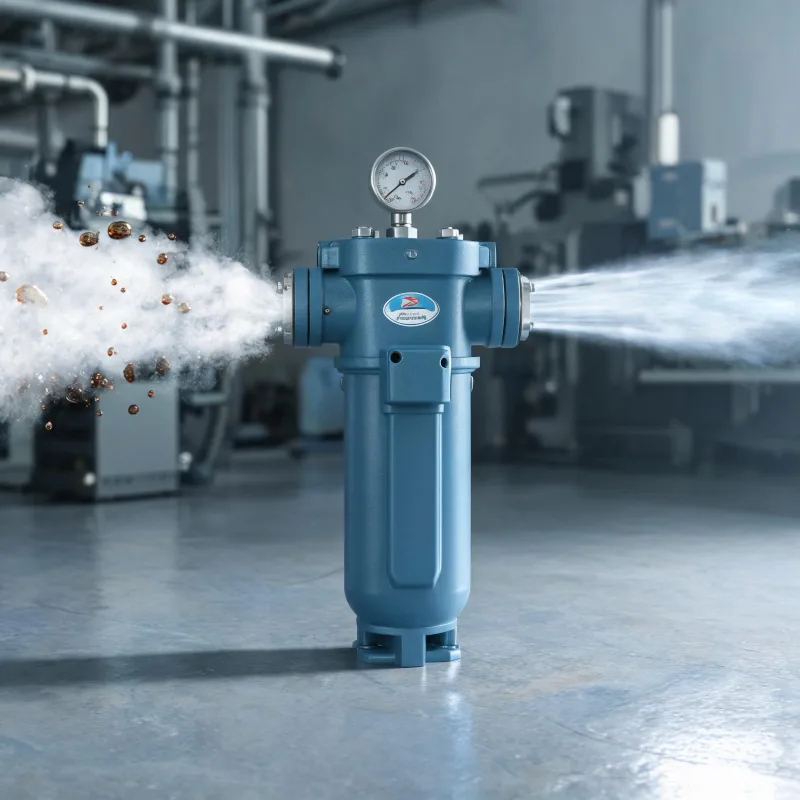
Oil comes in three forms in compressed air: liquid, aerosol, and vapor. Each requires a specific filter type to remove it fully.
Coalescing filters remove liquid oil and solid oil aerosols down to 0.01 ppm, which is enough for most general industrial uses. For applications that require no residual oil vapor, such as food packaging or breathing air, you’ll need a post-coalescing activated carbon filter.
In my 12 years working on compressed air systems, I’ve seen many facilities skip activated carbon filtration to cut costs, only to deal with persistent odors in food products or packaging defects months later. Point-of-use filters add a final layer of protection at the end tool, eliminating any contamination that leaches from distribution lines.
Common Mistakes That Leave Residual Impurities
The most common mistake is skipping maintenance on drains and filters. Many facilities forget to empty manual drains, leading to constant water buildup in the bottom of receivers. Others stretch filter replacement past the recommended interval, leading to breakthrough of oil and water.
Another mistake is mismatching the treatment system to your required purity class. If you need food-grade air, a general industrial filtration setup will not meet regulatory requirements. The 2024 ISO 8573-1 update clearly defines purity classes for different applications, so you can match your system directly to your needs.
The Industrial Distribution Association 2024 reports that modular staged filtration systems have grown 32% in adoption since 2022, as they let facilities add stages as their purity requirements change, cutting upgrade costs by an average of 40% compared to full system replacement.
Expert Insights
Properly staged treatment is far more effective than overspending on a single high-end component for removing water and oil contaminants from compressed air. Matching the system to your required purity class avoids unnecessary energy waste and long
— term equipment damage.
Further Reading
- 2024 New Diesel Portable Air Compressor for Integrated Systems: Trends & Picks
- How Much Does an Industrial Diesel Portable Air Compressor Cost for Textile Factories
- 2024 New Diesel Portable Air Compressors for Industrial Use: Trends & Picks
- Complete Step-by-Step Guide to Selecting a Diesel Portable Air Compressor for Chemical Plants
- How to Eliminate Water and Oil Impurities in Compressed Air, compressed air contaminants, compressed air filtration – Diesel Portable Ai
- Where to Source Reliable Diesel Portable Air Compressor for Remote Road Projects
- What Maintenance Is Required For a New Diesel Portable Air Compressor: 2024 Industry Guide
- How to Judge If an Air Compressor Air End Needs Replacement
About the Author

Related Reading: Complete Step-by-Step Guide to Maintaining a Diesel Portable Air Compressor
Frequently Asked Questions
How much water does a typical industrial air compressor produce daily?
A 100 hp air compressor produces 20 to 80 gallons of condensed water daily, per 2023 CAGI data, depending on ambient humidity and temperature.
Can I eliminate all contaminants with just a single filter?
No. Single filters only capture large particles, and cannot remove condensed water or oil vapor. A staged treatment system is required for full elimination.
What purity class do I need for food-grade compressed air?
Food and beverage applications require ISO 8573-1 Class 0 purity, which requires less than 0.1 mg/m³ of total oil content per the 2024 ISO standard.
Do automatic drains really improve water removal compared to manual drains?
Yes. Manual drains are often forgotten, leading to 3 times more residual water in the system than properly operating automatic drains, per 2023 US DOE data.
When should I choose an adsorption dryer over a refrigerated dryer?
Adsorption dryers are required for applications that need pressure dew points below 0°C, such as outdoor piping in cold climates or pharmaceutical manufacturing.
Will regular filter replacement keep my system free of impurities?
Filter replacement is critical, but it will not fix improper system design or incorrectly sized dryers. All system components must be matched to your flow and purity requirements.