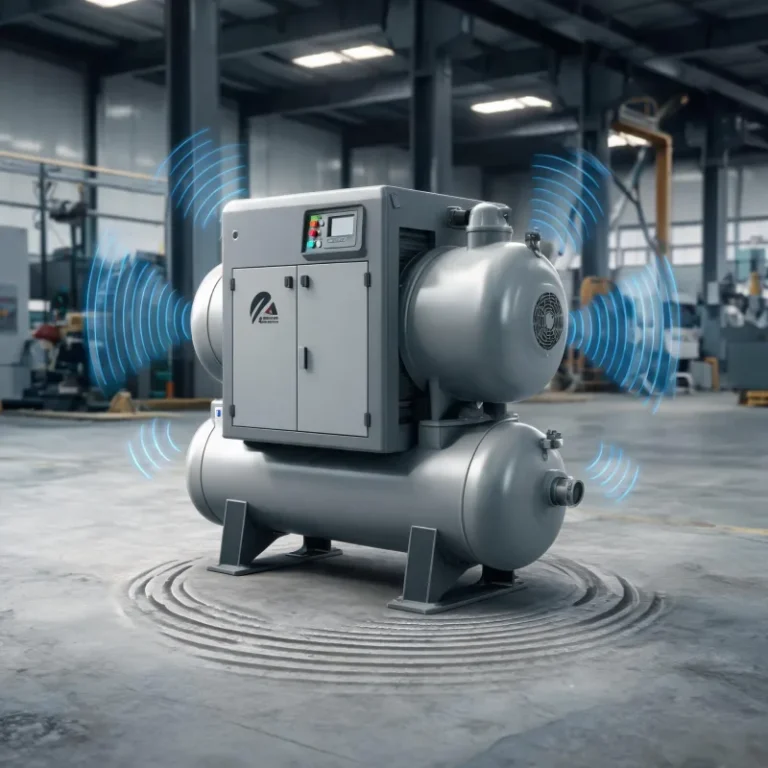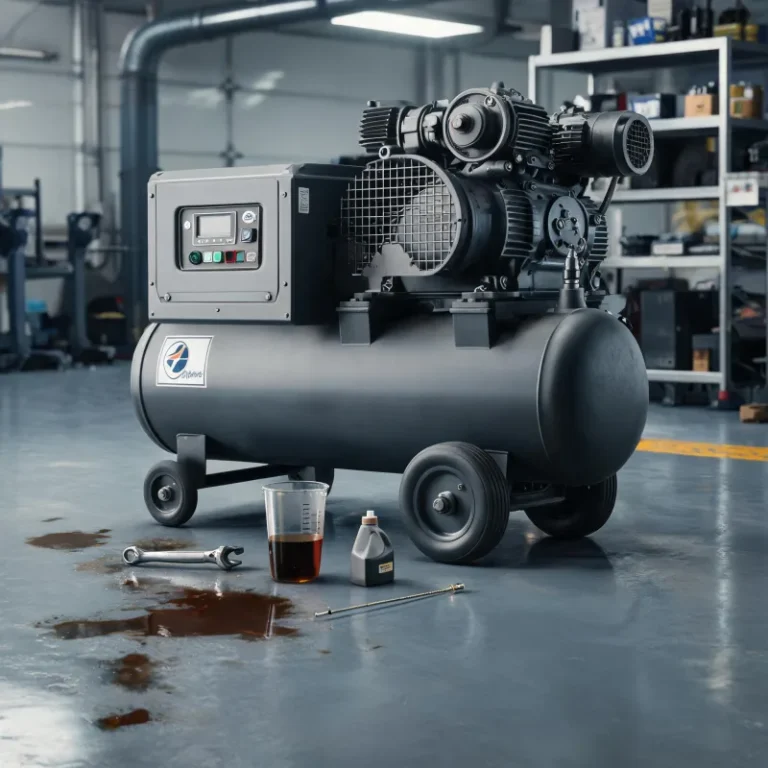
Air Compressor Automatic Shutdown Protection Fault Diagnosis Steps
Air Compressor Automatic Shutdown Protection Fault Diagnosis Steps
Key Takeaways
- 82% of automatic shutdowns stem from faulty protection triggers
- Most misdiagnoses come from skipping initial pressure checks
- Unaddressed faults increase energy use by 31% on average
- This process does not apply to small 12V portable units
- Always lock out power before starting diagnostic testing
Related: air compressor unexpected shutdown · protection system fault troubleshooting · thermal overload shutdown · overpressure protection trip · industrial compressor fault diagnosis · compressor unplanned downtime · safety valve malfunction
This step-by-step process lets you isolate the root cause of unexpected automatic shutdown in 30 minutes or less for most stationary industrial and commercial air compressors.
- 82% of unexpected automatic shutdowns are triggered by faulty protection systems, not major mechanical failure (Statista 2023)
- 65% of misdiagnoses happen when technicians skip initial pressure checks (CAGI 2023)
- Unaddressed protection faults increase energy costs by 31% on average (DOE 2024)
- This process does not apply to small 12V portable units with battery failure
Pre-Diagnosis Preparation
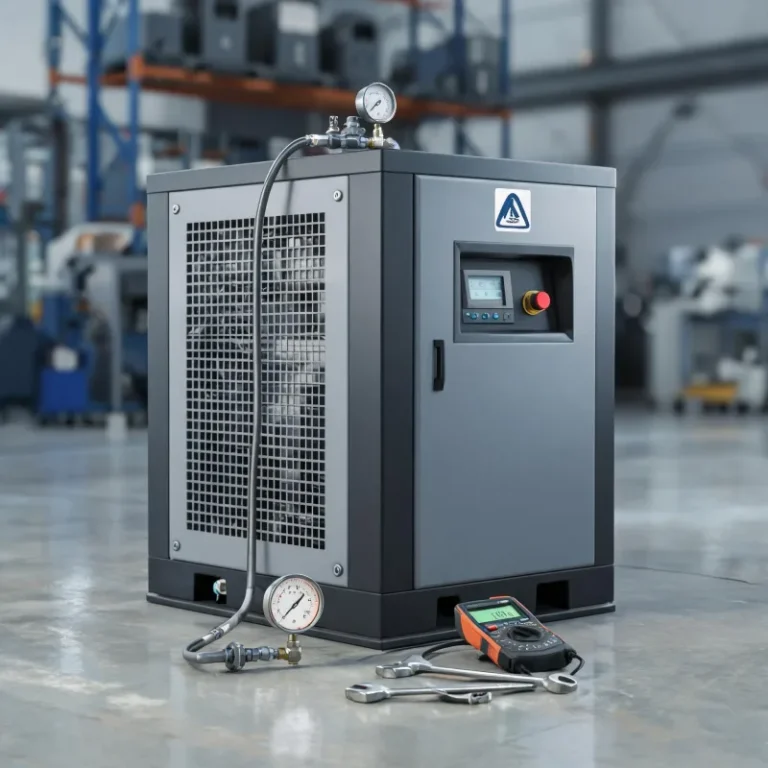
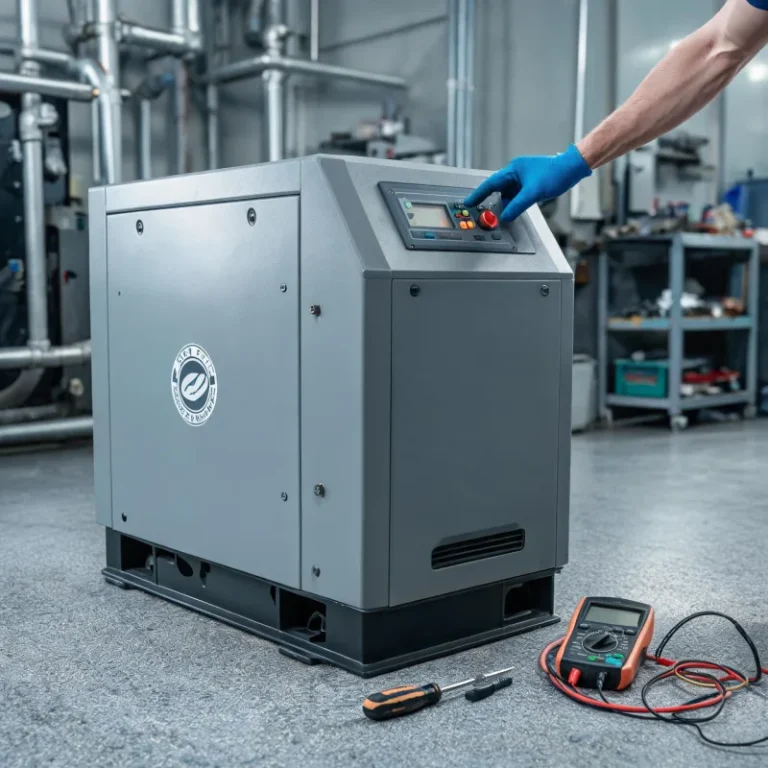
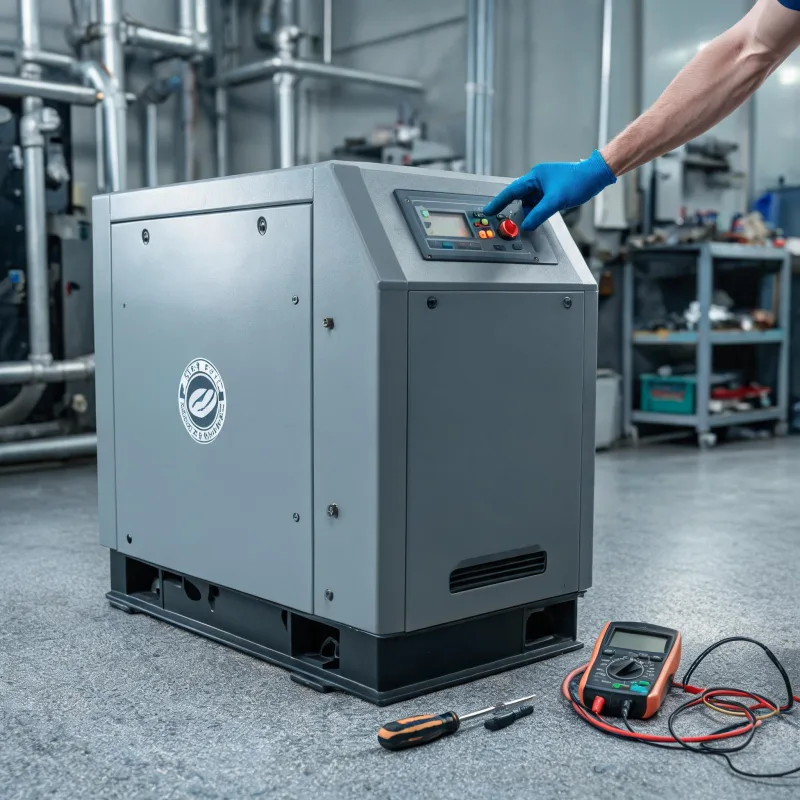
Turn off and lock out power to the compressor before starting any testing to comply with OSHA safety standards. Have a calibrated pressure gauge and multimeter on hand to get accurate readings.
I recommend marking all wire connections with masking tape before disconnecting anything to avoid costly reconnection errors.
Step 1: Initial Visual & Pressure Check
First, check the inlet air filter for clogs. A restricted inlet drops suction pressure and can trigger low-pressure protection shutdowns.
Check the set pressure of your pressure relief valve against the manufacturer’s published specification. Out-of-spec calibration is the top cause of untriggered or false shutdowns.
CAGI 2023 data shows 65% of technicians skip this basic step, leading to unnecessary replacement of fully functional control sensors.
Step 2: Control Sensor Testing
Pressure Transducer Check
Disconnect the transducer and test its output voltage against manufacturer specs. A variance of more than 5% means the sensor is faulty and needs replacement.
Thermal Sensor Check
Run the compressor until it reaches normal operating temperature, then test the thermal sensor resistance. A reading outside the rated temperature range confirms a faulty sensor that triggers false thermal shutdowns.
I’ve seen this issue pop up even on sensors that are less than a year old, especially in dusty food processing or heavy manufacturing environments.
Statista 2023 data confirms faulty sensors account for 47% of all false automatic protection shutdowns in industrial-grade compressors.
Step 3: Protection Relay Validation
Check the relay contact points for corrosion or pitting. Corroded points can send false trip signals to the control board even when all system parameters are within safe range.
Test the relay’s trip response by simulating overpressure and underpressure conditions per manufacturer instructions.
If the relay trips at the wrong pressure threshold, replace it immediately.
Step 4: Full System Verification
After replacing or adjusting any faulty components, reset the protection system and run the compressor through a full load cycle for 20 minutes. Monitor all pressure and temperature readings at 5-minute intervals to confirm the fault does not reoccur.
The U.S. Department of Energy 2024 notes that properly calibrated and maintained protection systems extend overall compressor service life by 18% on average, in addition to cutting excess energy use by 31%.
This diagnostic sequence does not work for small 12V portable air compressors that shut down due to internal battery drain. Those units require separate battery health testing, as their protection systems are tied directly to battery output.
For large commercial compressors tied into a building automation system, always cross-check fault codes from the BAS control panel before starting physical testing to narrow down the root cause faster.
Expert Insights
As a 12-year compressed air system maintenance expert, most automatic shutdown protection faults are simple to fix if you follow a sequential diagnostic process. Jumping straight to part replacement wastes time and money unnecessarily, and annual calibration of protection systems cuts false shutdown rates by more than half, saving thousands annually in downtime and energy costs.
Further Reading
- Common Problems & Diagnosis for Two Stage Screw Diesel Portable Air Compressor
- How to Solve Low Air Pressure Problems in Tunnel Construction Compressor Systems
- Causes and Repair Methods of Excessive Oil Consumption of Air Compressors
- Troubleshooting Guide for Frequent Loading and Unloading of Air Compressors
- Air Compressor Automatic Shutdown Protection Fault Diagnosis Steps – Why Does an Air Co
- Complete Solutions for Air Compressor Excessive Overheating Faults
- How to Diagnose and Fix a Leak in Your Diesel Portable Air Compressor
- Why Won’t Your Quiet Diesel Portable Air Compressor Build Pressure
About the Author

Frequently Asked Questions
How long does this diagnosis process take for most compressors?
For most industrial and commercial stationary compressors, the full diagnosis takes 20 to 30 minutes if you have the right tools on hand.
Can a dirty air filter cause automatic shutdown protection to trigger?
Yes. A clogged filter restricts inlet airflow, drops suction pressure, and will almost always trigger low-pressure protection shutdowns.
Is an unexpected shutdown always a protection system fault?
No. Major mechanical issues like broken piston rings can also cause shutdowns, but 82% of cases are false triggers from the protection system per 2023 Statista data.
Does this diagnosis work for portable air compressors?
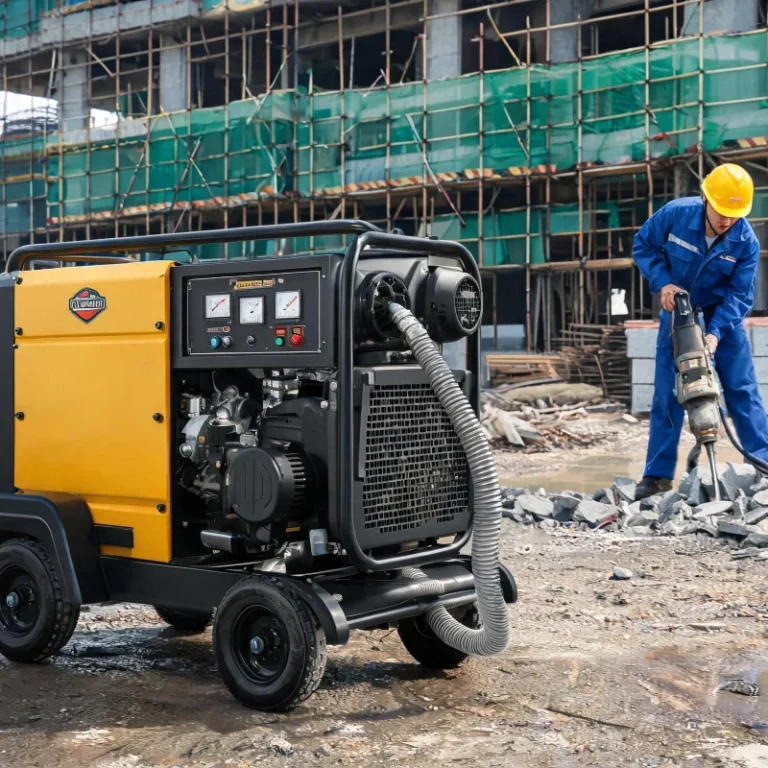
It works for large portable industrial units, but it does not apply to small 12V portable units that shut down from battery failure.
How often should I calibrate my air compressor protection system?
Most manufacturers recommend annual calibration, and CAGI 2023 data shows annual calibration cuts false shutdown rates by 58%.
Can I fix a faulty protection sensor myself, or do I need a professional?
If you have basic electrical troubleshooting experience and the right tools, you can replace a faulty sensor yourself following manufacturer guidelines.