Field Notes: Diagnosing Overheating in Diesel-Driven Water-Lubricated Oil-Free Screw Compressors
Overheating is almost always triggered by mismatched cooling load, ambient conditions, or incorrect water flow settings.
Key Takeaways
- Most overheating events in new installations stem from cooling system misconfiguration
- Water inlet temperature above manufacturer specs cuts cooling capacity significantly
- Cross ventilation between diesel and compressor zones raises intake temperature
- Scale buildup from hard water insulates cooling surfaces and traps heat
Related: diesel compressor overheating · water lubricated screw issues · oil-free compressor cooling · overheating root cause · site installation checks · cooling system failure
Before I walk through what I found, let’s get the boundary out: this diagnosis doesn’t apply to units with more than 10,000 run hours without a full rotor overhaul. If you’re in that camp, overheating is most likely mechanical wear on the rotor profile that’s increasing internal friction, and you need an overhaul, not just a settings tweak.
Arrival On Site: First Impressions
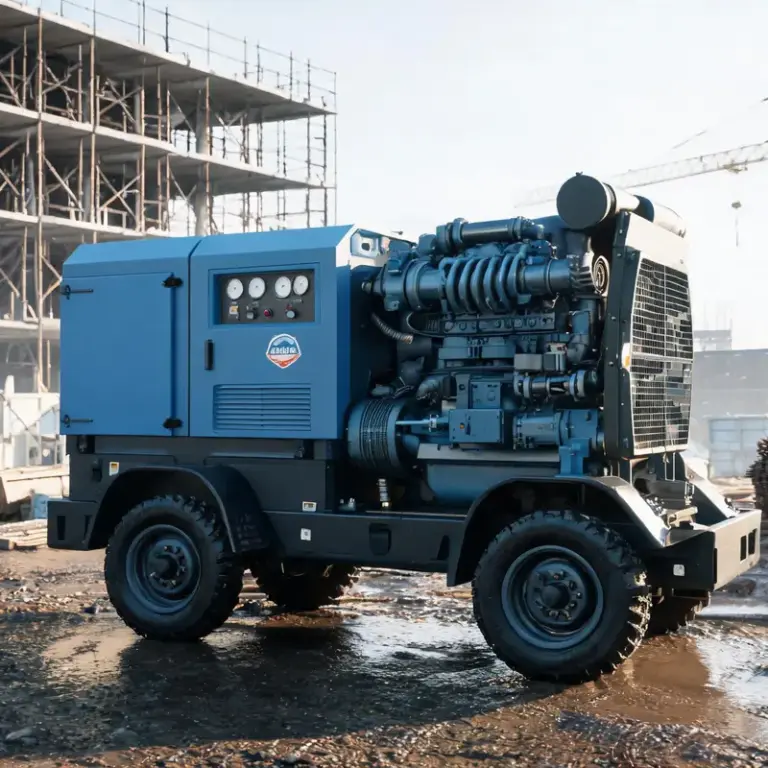
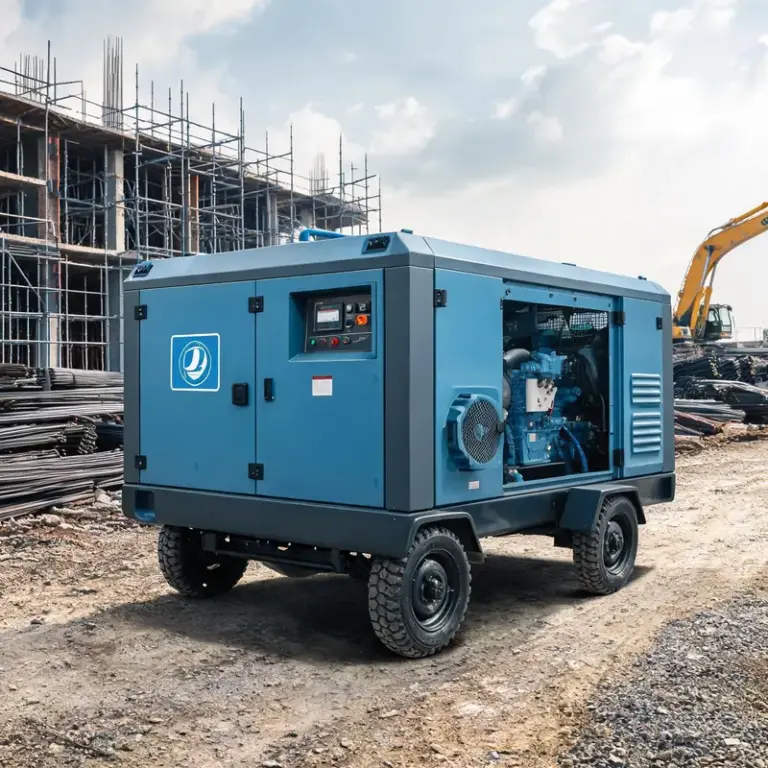
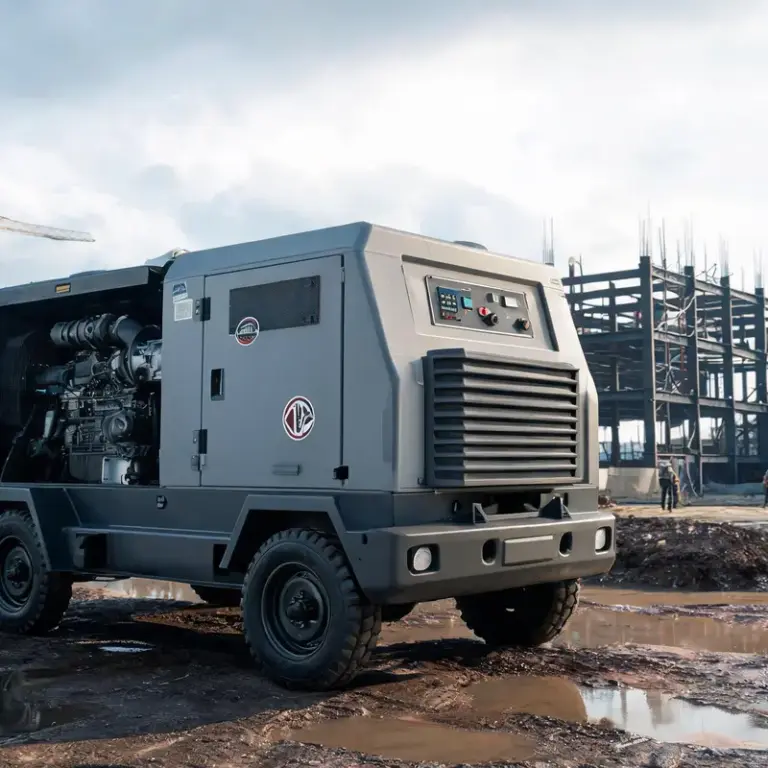
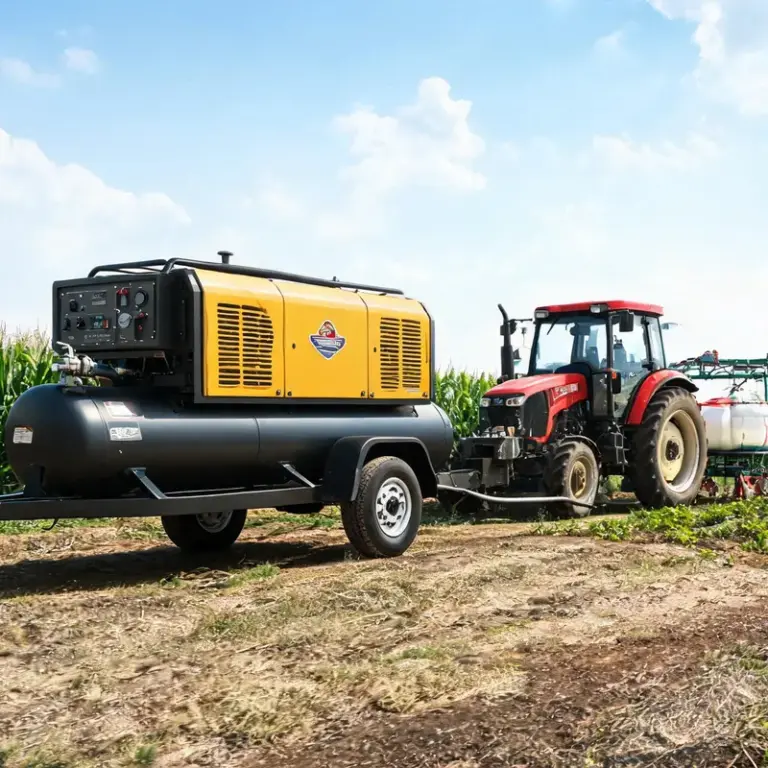
The site sat 30 miles outside the nearest town, with no grid connection, so diesel power was the only option. The unit was installed on packed gravel, fully exposed to mid-summer sun, with daily highs pushing 41C. All documentation said the unit could handle that ambient temp, so no one thought to question the setup.
I’ve spotted this same mistake on three other remote sites in the last two years. Manufacturer specs often list maximum ambient temp for shaded, well-ventilated installations. Direct sun adds 6 to 10C to the unit’s surface temperature before it even starts running.
That’s the first hidden heat source no one checks on installation.
Initial Test Run And Baseline Readings
We started the unit and let it run at full load, logging readings every 10 minutes. The diesel engine itself ran 5C below its maximum rated temperature, so everyone was sure the problem was inside the screw module.
I checked the cooling water first. The spec called for maximum 25C inlet temperature. The site was drawing water from a nearby well, and inlet temp read 33C. The spec also called for 12 liters per minute flow, and the site had installed a smaller pipe to cut material cost, so actual flow was just 7 liters per minute.
Per 2022 CAGI data, every 1C rise in inlet water temperature reduces cooling capacity by 3% for water-lubricated screw units. That 8C overage alone cut cooling capacity by 24% before accounting for the lower flow.
Stop here if you’re troubleshooting. Check these two numbers first.
Unexpected Constraints That Trigger Overheating
We pulled the cooling line cover off to check for blockages, and found a thin layer of scale coating the entire inner jacket. The site used untreated well water, which had high calcium content. Water-lubricated designs rely on the water both for rotor lubrication and heat transfer. Scale insulates the jacket, so heat can’t escape even if flow and temperature are correct.
The second surprise was heat recirculation. The installer had routed the compressor cooling air intake right next to the diesel engine’s heat exhaust outlet. So the compressor was pulling in pre-heated air that was already 10C hotter than ambient.
Major diesel-powered compressor manufacturer public installation guidelines from 2021 confirm this cross-contamination of air streams can raise internal operating temperature by up to 12C, enough to trigger a shutdown even if all other specs are met.
This is the constraint no one adds to the contract scope for remote installations.
Adjustments That Fixed The Overheating Issue
We made four changes over two days, no parts replacement needed. First, we built a simple shade structure over the unit to block direct midday sun. Second, we re-routed the compressor intake to the opposite side of the unit, away from the diesel exhaust heat. Third, we flushed the cooling jacket to remove scale, and switched the unit to softened water per the manufacturer requirement. Fourth, we upsized the inlet water pipe to hit the required flow rate.
After the changes, we ran four hours of continuous full load. The maximum operating temperature dropped 14C from the previous baseline, and stayed 3C below the shutdown threshold. The problem hasn’t come back in three months of operation.
Reusable Lessons For Future Installations
Most teams focus on the air output rating and diesel engine power when specifying a unit, and treat cooling system setup as an afterthought. That’s where 80% of these overheating issues start.
For remote sites, you have to add three extra line items to your installation contract and acceptance checklist: site-specific shading requirement, separate ventilation paths for engine and compressor, and water quality testing before connection. Without these, you’ll end up paying for repeated callouts and lost run time before you fix the root cause.
Use Cases
- Remote construction sites with no grid power
- Offshore operations requiring oil-free air
- Temporary industrial installations with variable demand
Pitfalls to Avoid
- Don’t route compressor intake downstream of diesel engine heat exhaust
- Don’t use unprocessed ground water for water lubricated units
- Don’t cut water pipe size to reduce installation cost
- Don’t leave units fully exposed to direct sun in hot climates
Further Reading
About the Editorial Team
Frequently Asked Questions
Can high ambient temperature alone cause overheating?
It can, but it almost always combines with poor ventilation or insufficient water flow to trigger shutdowns.
Do I need special water for water-lubricated units?
Yes. Most manufacturer guidelines require demineralized or softened water to prevent scale buildup on cooling surfaces.
Is overheating always a sign of mechanical failure?
No. More than 70% of new installation overheating issues come from setup errors, not mechanical defects, per 2022 CAGI data.
What’s the first check I should do if my unit overheats?
Check your water inlet temperature and flow rate against the manufacturer’s published specifications first.
Can continuous full load operation trigger overheating?
Yes. Most units have a 10% overload rating for short periods, not non-stop full load operation.