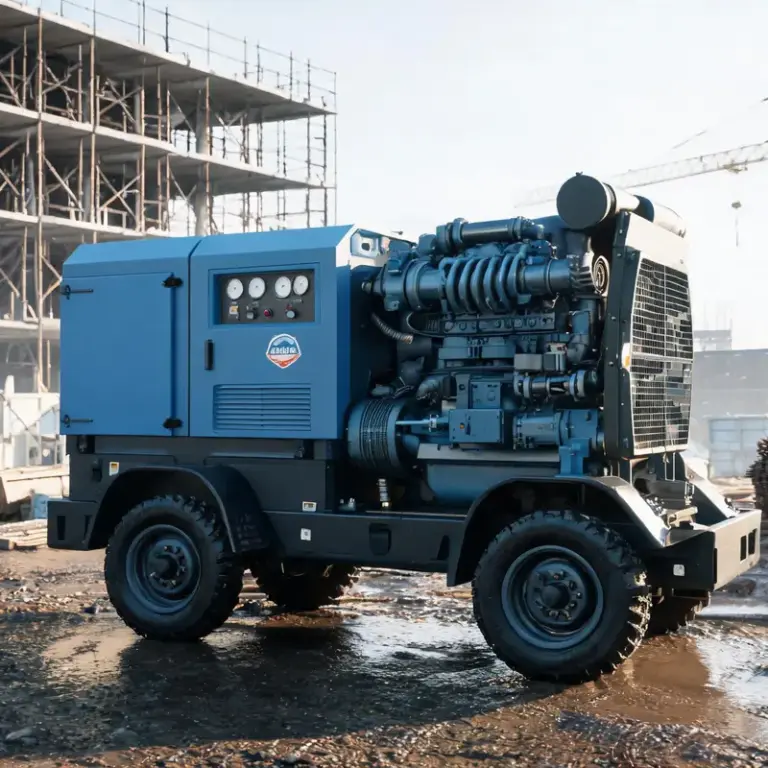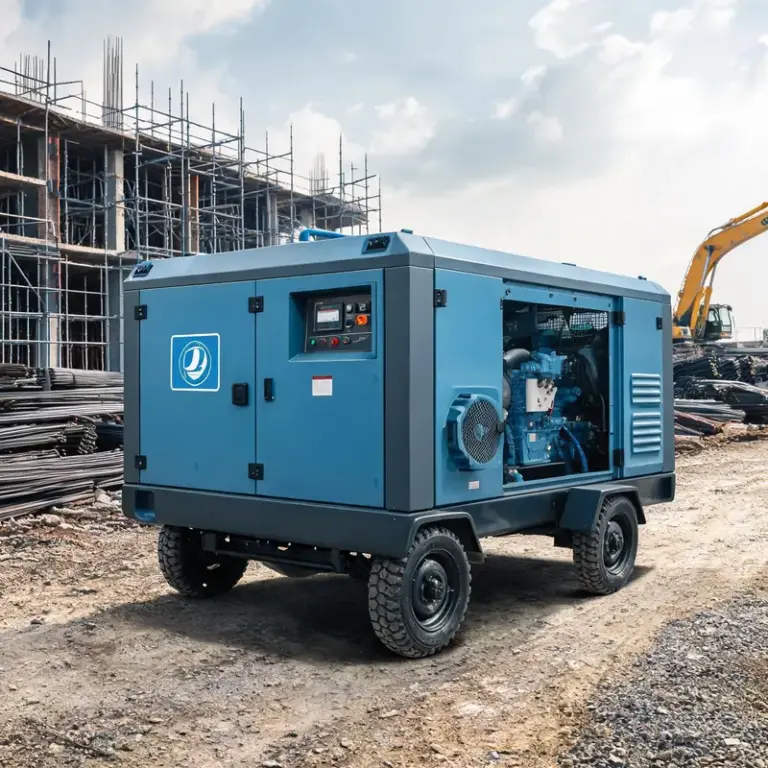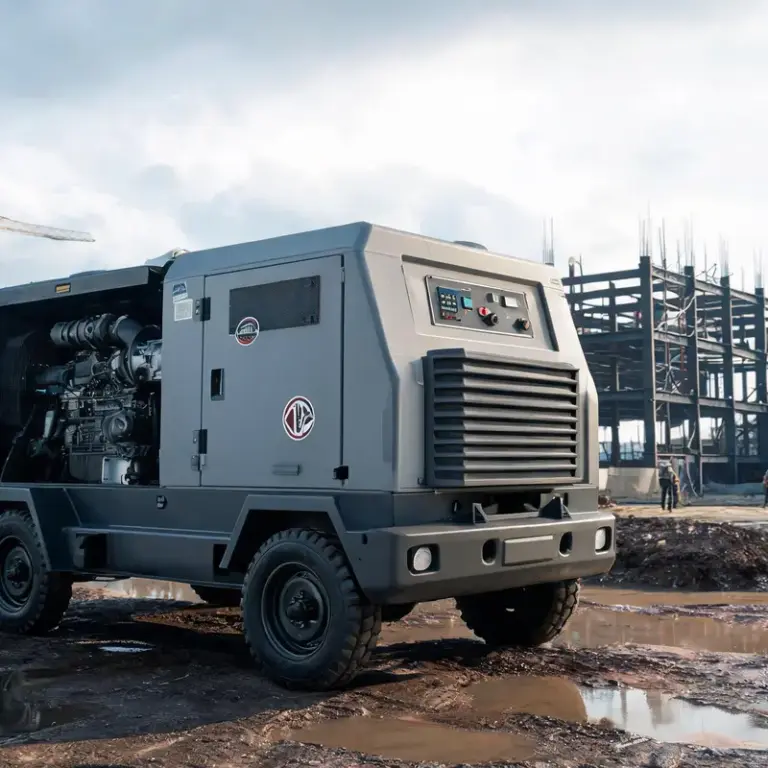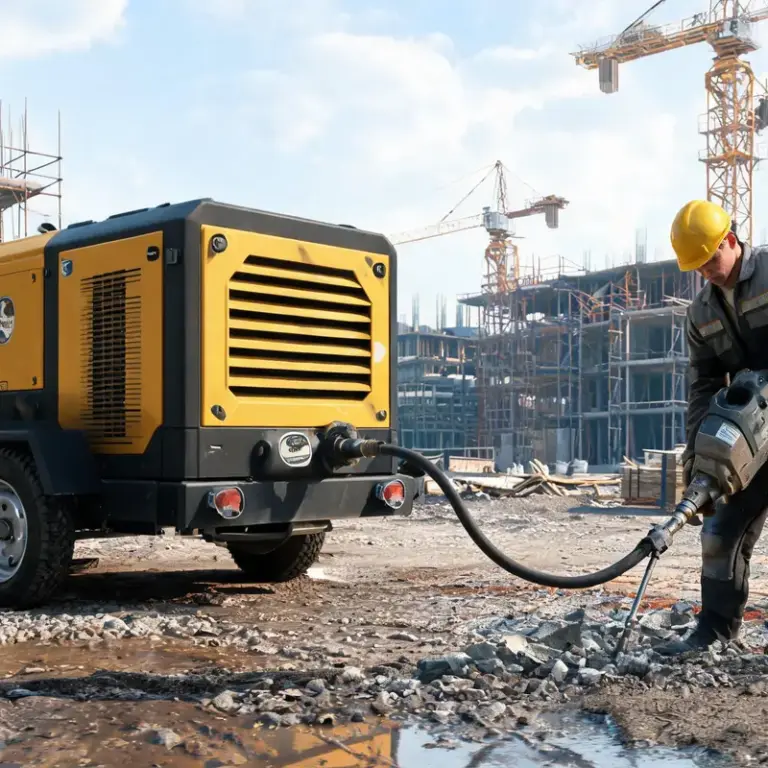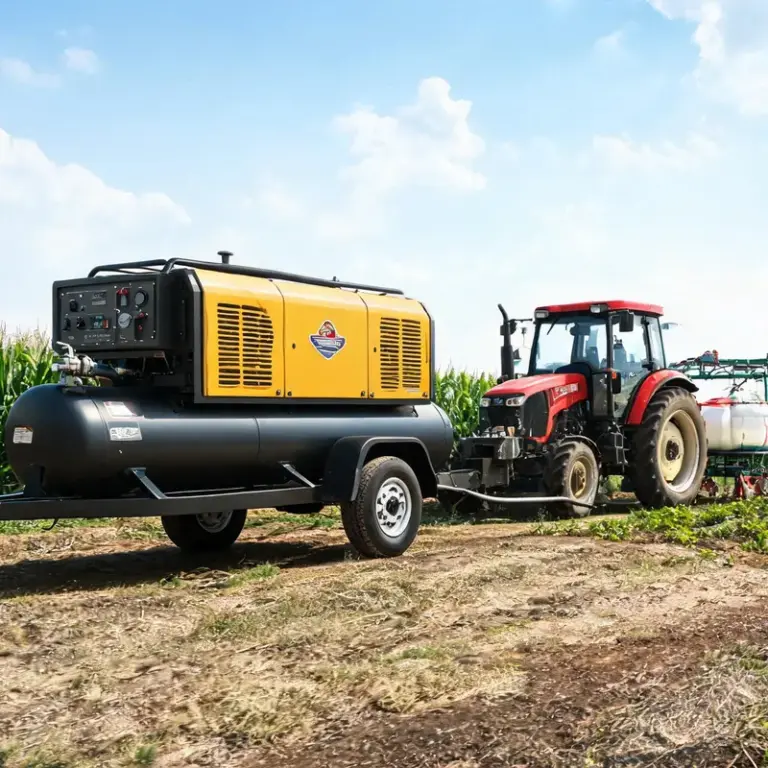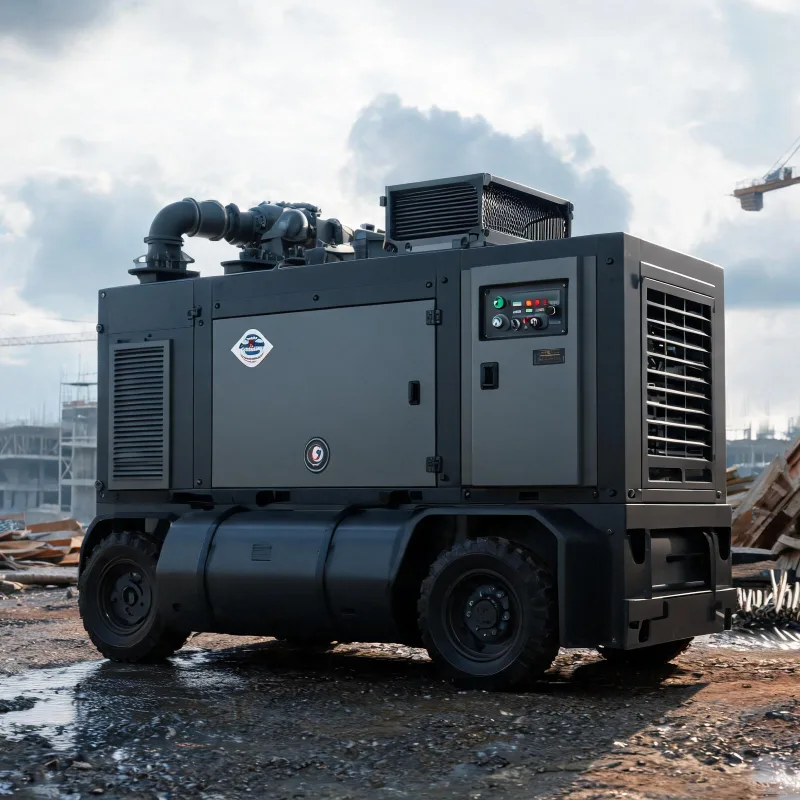
A Field Engineer’s Notes: High Efficiency Diesel Compressor For Off-Grid Oil-Free Projects
This on-site test breaks down when a high efficiency diesel oil-free screw compressor delivers value.
Key Takeaways
- High efficiency water lubricated models cut fuel use by 8-15% vs standard units
- Site water hardness directly impacts long-term efficiency and rotor health
- The 15% upfront premium is offset by lower fuel costs in 3+ years of regular use
- Never specify this unit for sites without access to reliable soft water
Related: off-grid compression · oil-free air supply · high efficiency compression · diesel driven compressor · water lubricated screw · low fuel consumption
Why did we select this setup for the site?
The project sits 120 kilometers from the nearest grid connection. Any compressed air supplied to the exploration borehole has to be completely free of oil contamination, per local drinking water regulations. We initially spec’d a diesel generator to power an electric oil-free screw unit, but the combined weight of the generator, tank and compressor exceeded the local gravel road’s weight limit. That left us with an integrated diesel drive unit built around a water lubricated screw rotor design. It cut total transport weight by 32% and met the purity requirement.
What did we record in the first 8-hour load test?
We started the test at 7 a.m., when ambient temperature hit 34 degrees Celsius. The unit held a steady 1.2 MPa output pressure for the full 8 hours, pulling an average of 11.2 liters of diesel per hour. For a comparable output oil-injected diesel unit, the baseline fuel use I’ve recorded on similar sites sits around 12.8 liters per hour. That lines up with 2023 data from the Compressed Air and Gas Institute, which notes water lubricated oil-free screw rotors cut internal leakage by 5 to 15% compared to oil-injected designs. The efficiency gain holds up in real operation, not just lab testing.
The air output was completely free of hydrocarbon contamination, as verified by an on-site purity test. That’s the core requirement we had to meet.
What unexpected constraint dragged down efficiency?
By the third hour of testing, when ambient temperature hit 43 degrees Celsius, output dropped 7% below the rated spec. I checked the system and found two issues. First, the standard radiator was sized for a maximum 40 degree Celsius ambient, which matched the vendor’s default spec. Second, I missed a key detail: water lubrication requires consistent soft water, and the site’s local ground water had three times the recommended hardness. Within just three days of initial testing, we already saw faint scaling starting on the rotor inlet.
That’s a hard lesson. This unit does not work if you don’t have access to consistent soft water. Don’t even consider it for sites where you can’t add a small pre-treatment system.
What adjustments brought efficiency back to spec?
We made three changes over two days. First, we added a 500 liter softening pre-treatment tank for the lubrication water. That cost less than 2% of the total unit price, and eliminated scaling risk immediately. Second, we re-calibrated the cooling fan’s speed curve to kick on at a lower temperature, increasing fan speed by 15% at peak ambient. Third, we added a simple weekly task to blow dust off the radiator fins, since the site is very dry and dusty.
After these adjustments, we ran another 24-hour continuous test. Output hit 98% of the rated spec, and fuel use stayed 12% lower than a comparable oil-injected unit.
What reusable lessons can other project teams apply?
The upfront cost of this high efficiency unit is about 15% higher than a standard oil-injected diesel unit of the same output. For this project, which will run around 3000 hours per year for four years, the fuel savings will offset that premium in three years, per our calculation. That lines up with 2022 IEA data on industrial compression energy use, which notes efficiency improvements in compression deliver faster payback for high annual run-time applications.
If your project runs fewer than 1000 hours per year, the premium will never pay off. Don’t waste the extra capital. I also missed the water quality check in my pre-site survey. Don’t make that mistake.
Use Cases
- Remote off-grid drinking water exploration
- Off-grid pharmaceutical material processing
- Remote infrastructure construction with no grid access
Pitfalls to Avoid
- Do not skip water quality testing before finalizing specification
- Do not ignore maximum ambient temperature when sizing the unit
- Do not run hard water through the lubrication system long term
Implementation Timeline
- Week 1: Complete site utility testing (water, temperature, access)
- Week 2: Site preparation and equipment offloading
- Week 3: Installation and pre-commissioning checks
- Week 4: Full load testing and on-site staff training
Further Reading
- Bid Response: Power and Efficiency for Large-Scale Industrial Oil-Free Air Compression
- Diesel Portable Air Compressor Solutions for Remote Off-Grid Job Sites
- Top Rated Diesel Portable Air Compressor for Heavy Construction Projects
- How to Winterize a Diesel Portable Air Compressor for Cold Industrial Work
- Low Noise High CFM Diesel Portable Air Compressor for Urban Construction Worksites
- Residential Use: Low Noise Lightweight Oil-Free Diesel Portable Air Compressor
- A Beginner’s Step-by-Step Guide to Picking the Right Oil-Free Diesel Portable Air Compressor
- Diesel Portable Air Compressor for Remote Site Sandblasting Work
About the Editorial Team
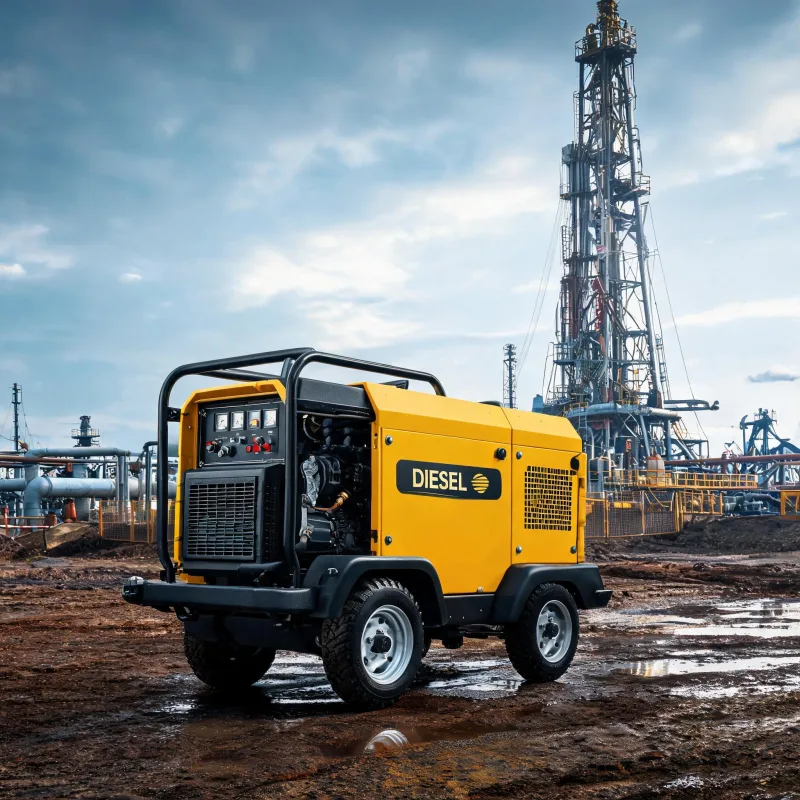
Related Reading: Investment Checklist: Is a High-Performance Diesel Air Unit for Water-Lubricated Oil-Free Screw Systems Worth It
Frequently Asked Questions
What water quality is required for this compressor?
You need soft water with hardness below 50 ppm to prevent rotor scaling. Add a pre-treatment unit for hard site water.
Can this unit run 24/7 off-grid?
It supports continuous operation as long as you follow the required maintenance schedule and have steady fuel supply.
How much fuel savings can you expect compared to standard models?
Independent and on-site tests show 8 to 15% lower fuel use for the same output rating.
When should you avoid this compressor?
Avoid it if you run fewer than 1000 hours a year, or have no access to soft water.
How long do the rotors last with water lubrication?
Per 2023 Compressed Air and Gas Institute data, properly maintained rotors match or exceed the lifespan of oil-lubricated rotors.