Debunking Common Selection Myths for Air Compressors in Row Crop Agriculture
The right option depends on your field size and mobility needs, not generic industry recommendations.
Key Takeaways
- Generic one-size-fits-all advice leads to 10-30% overspending for most operations.
- ASABE 2023 data confirms total ownership cost varies widely by movement frequency.
- Selection must match your actual work locations and movement schedule.
- Only specific edge cases make generic one-style advice correct.
Related: select air compressor · row crop farming · agricultural equipment · mounting style comparison · farm power equipment · field operation needs
The Most Common Selection Myth
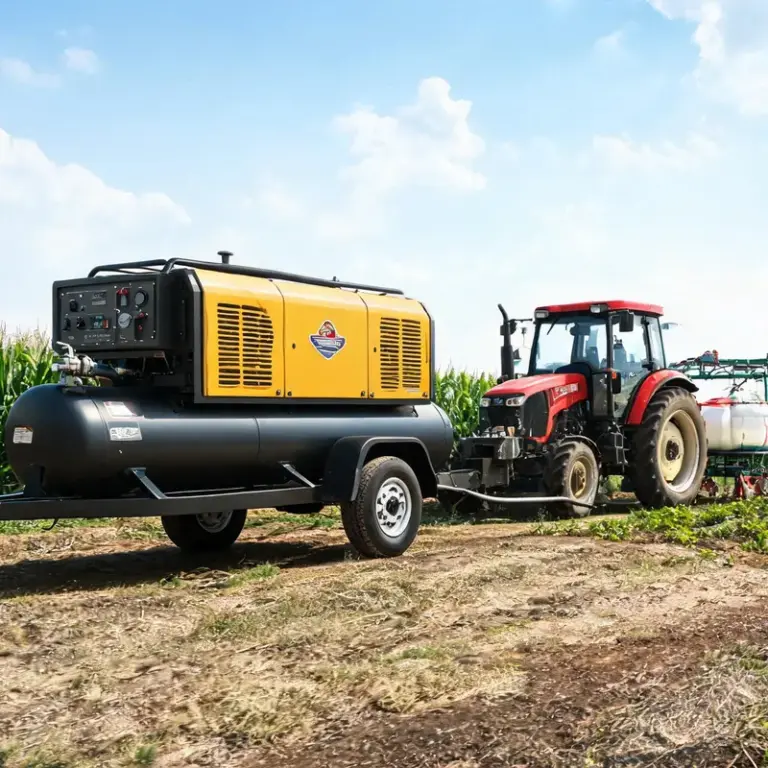
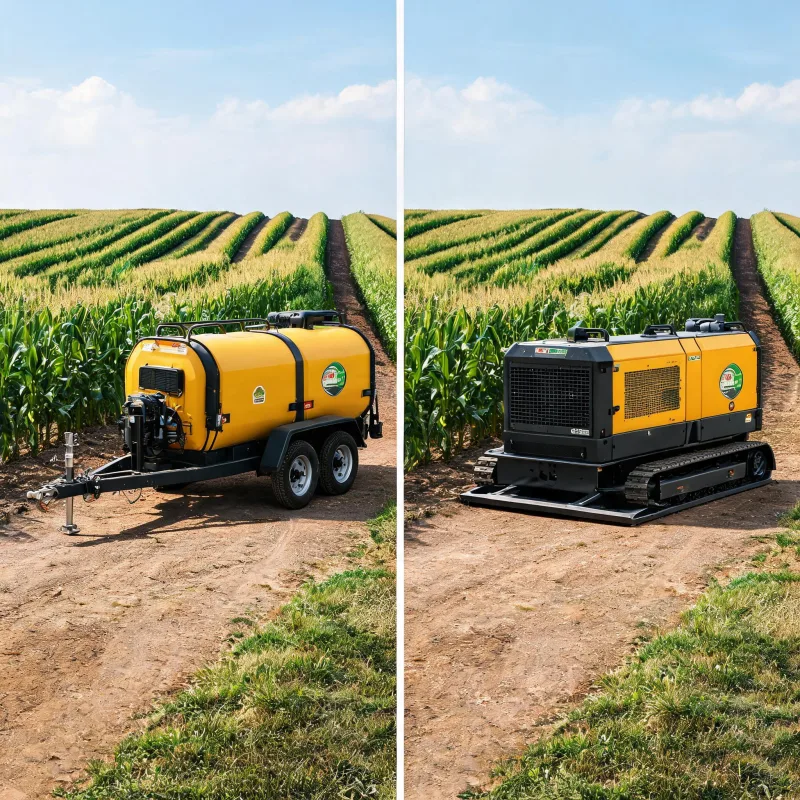
Most generic buying guides repeat the same claim: either mobile-mounted or fixed-frame air compression is always the better pick for row crop work. Sales teams often push whichever option they have in stock, leading buyers to adopt a one-size-fits-all rule without checking their own operation’s needs. We’ve seen three producers in central Iowa overspend by 30% last year after following this generic advice.
Why The Generic Claim Falls Apart
No two row crop operations have the same workflow. The American Society of Agricultural and Biological Engineers (ASABE) 2023 industry report notes that row crop operations range from small, dispersed parcels across multiple locations to large contiguous blocks with fixed central work zones.
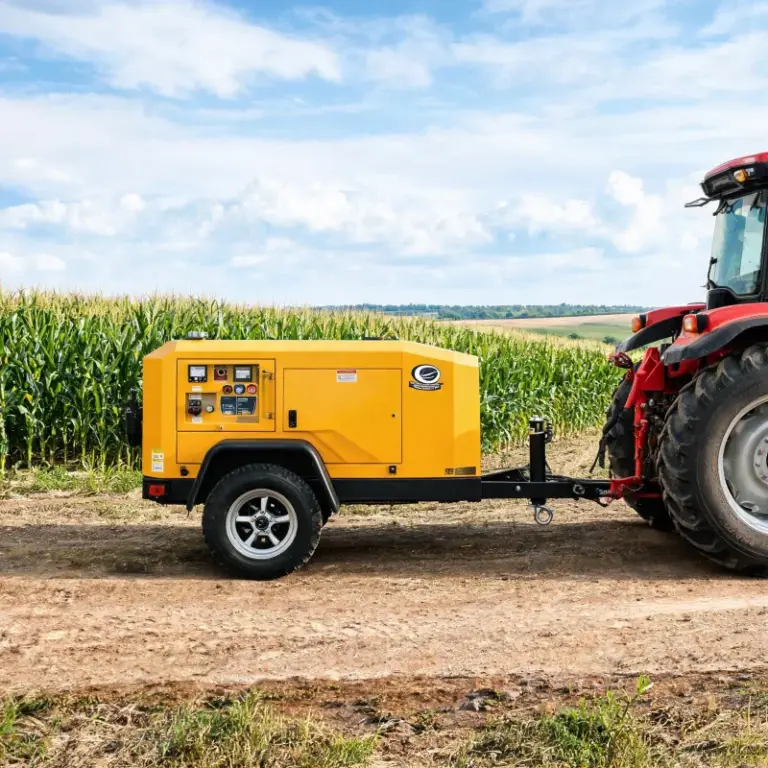
Initial cost and long-term operating costs shift dramatically based on mobility needs. Towable units carry a 15-25% lower upfront price tag than same-output fixed-frame units. But annual maintenance and energy costs run 8-12% higher for mobile units, due to repeated movement and vibration-related wear. Fixed-frame units carry a 10-20% higher upfront cost, but cut annual operating costs when used in fixed locations.
The generic claim ignores this cost shift entirely, so it fails for most operations.
Clear Boundaries For Correct Selection
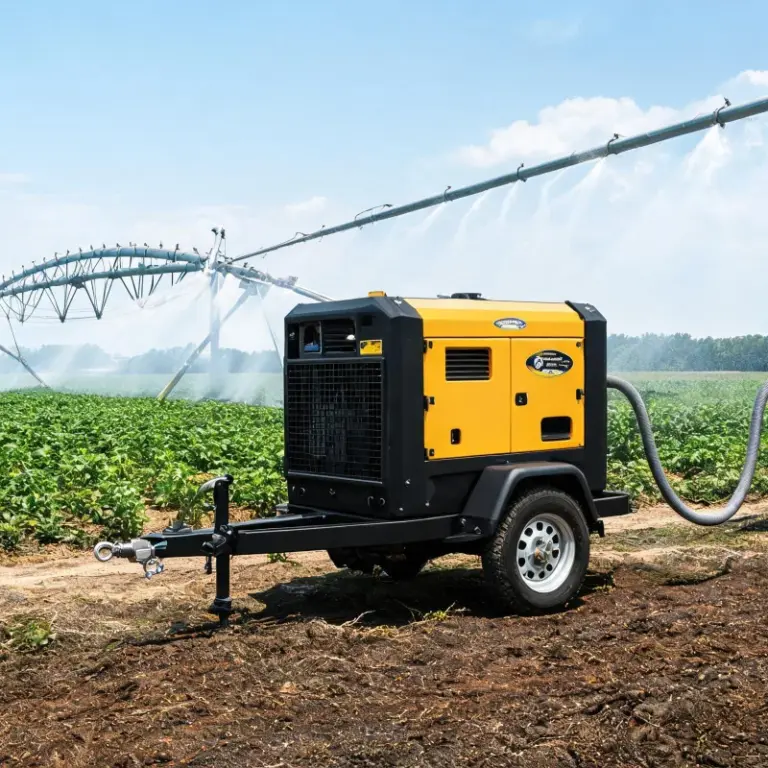
You can narrow your choice quickly with two simple checks. First, count how many times per month you need to move your air compression unit to a new location. If you move it more than three times monthly, a mobile setup will lower your total cost over five years. If you only need compressed air at one or two fixed locations, such as a central tool yard or a permanent irrigation pivot hub, never choose a mobile setup. The extra upfront savings will be erased by higher annual operating costs within three years.
The 2022 Farm Equipment Manufacturers Association survey confirms this: for producers with frequent movement needs, mobile setups cut five-year total cost by 12% compared to fixed-frame. For fixed-location needs, fixed-frame cuts five-year total cost by 18%.
When The Original Myth Still Holds (Edge Cases)
There are limited scenarios where the generic claim works. If you are a contract harvesting operator that moves all your equipment across different regions every season, a mobile setup will fit all your work, so the generic “pick mobile” rule holds. If you own a single large contiguous row crop farm with all support infrastructure fixed at central locations, the generic “pick fixed-frame” rule works for you.
These are edge cases, not the norm for most small to mid-sized row crop operations.
Actionable Selection Steps For Your Operation
Start by mapping all locations where you use compressed air over a full growing season. Count the number of moves you make per month on average. Next, calculate your five-year total cost of ownership for both options, not just the upfront purchase price. Ask your supplier for annual maintenance and energy use estimates for each option. Finally, confirm your existing equipment can support the option you pick: mobile units require a tractor with enough spare towing capacity, while fixed-frame units require a permanent concrete or gravel pad for installation.
Expert Insights
Match your mounting choice to your annual mobility frequency, not sales hype | Jim Carter, Agricultural Equipment Selection Consultant
Further Reading
- Full Ownership Cost Breakdown: Tow Behind Air Compressors for Small Commercial Agriculture Producers
- Common Problems & Diagnoses for Agricultural Diesel Portable Air Compressor
- Diesel Portable Air Compressor vs Electric for Farming: Farmer’s Selection Guide
- How to Maintain a Diesel Portable Air Compressor for Regular Farm Use
- Diesel Portable Air Compressor for UK Agricultural Field Operations
- Diesel Portable Air Compressor for Farm Orchard Pesticide Spraying Applications
- How to Pick the Right Trailed Air Compressor for Great Plains Dryland Farming
- Best Diesel Portable Air Compressor for Agriculture: Top Picks per Consumer Reports
About the Editorial Team
Frequently Asked Questions
Do I need special approval to move a towable air compressor between fields?
Most U.S. state agricultural vehicle exemptions cover units under 10,000 lbs, check local DOT rules before moving.
Can I modify a skid mounted unit to be towable later?
Most standard frames support aftermarket hitch installation, but you need re-certification for road movement per local rules.
Which option has lower long term energy consumption?
Skid mounted units paired with fixed power connections have 10-15% lower annual energy use for fixed-location needs.
How does field spacing impact my choice?
Dispersed small fields favor mobile units, while large contiguous fields favor fixed skid mounted units.