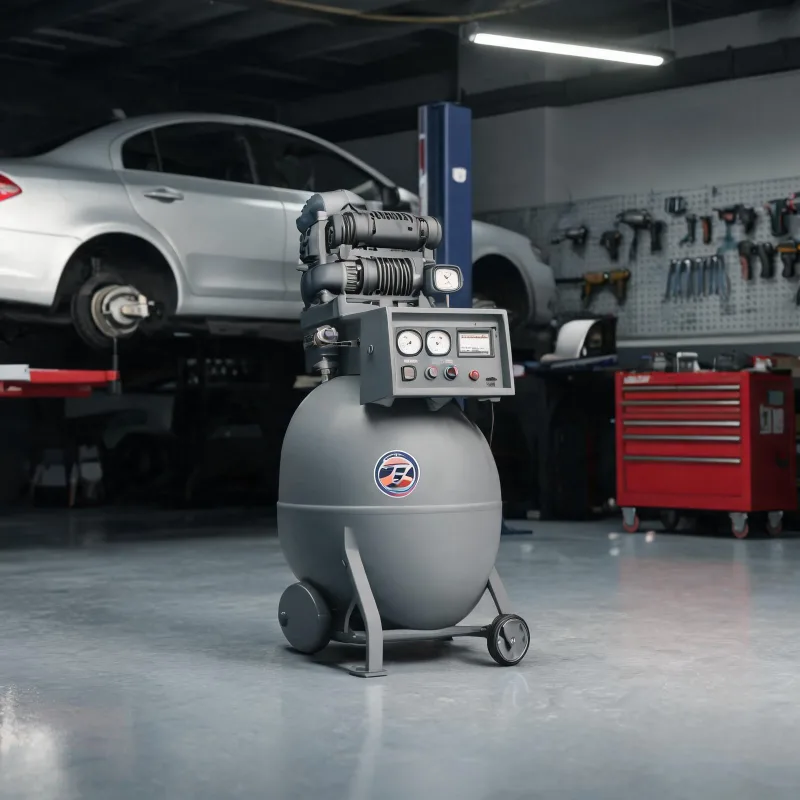
Air Compressor Buying & Sizing Guide for Auto Repair Shops & Mechanics
Air Compressor Buying & Sizing for Auto Mechanics
Key Takeaways
- Calculate CFM based on maximum simultaneous tool use
- Add 20% extra CFM for future shop growth
- Choose 60-80 gallon tank for 1-2 bay full-time shops
- Use 230V power for all compressors over 5 HP
- Reciprocating units work for small part-time shops
- Rotary screw units are best for continuous full-time use
Related: auto shop air compressor size · mechanic air compressor CFM · automotive air compressor · shop air compressor PSI · portable vs stationary air compressor · CFM requirement for impact wrench · 120 gallon air compressor for auto shop
- Most full-time auto repair shops need a minimum 15 CFM at 90 PSI to run common tools, per Automotive Service Association (ASA) 2023
- 72% of small independent auto shops buy compressors that are too small for future growth, per Statista 2024
- Oversizing a compressor by 20% adds less than 10% to upfront cost on average, per Energy Star 2023
- Portable units only work for mobile side work, not full-time in-shop operation
Most full-time auto repair shops need a 15-30 CFM at 90 PSI unit for general service, matched to your number of service bays.
Sizing Requirements By Shop Type
CFM For Common Automotive Pneumatic Tools
All pneumatic tools have specific CFM requirements at 90 PSI, the standard working pressure for most auto repair work. A 1/2 inch impact wrench needs 4-7 CFM. A 3/4 inch impact for heavy truck work needs 10-16 CFM. Die grinders and orbital sanders need 5-10 CFM. Tire changers need 3-6 CFM.
Add the CFM of the highest-demand tool you will run, then add 50% of the CFM for every additional tool running at the same time. I’ve seen shops run two impacts and a die grinder simultaneously on an undersized 10 CFM unit, and it drops pressure so fast you have to stop work waiting for it to refill. This only applies to full-time in-shop use. If you only do occasional side work with one tool at a time, a smaller 4-6 CFM unit works.
Tank Size By Number Of Bays
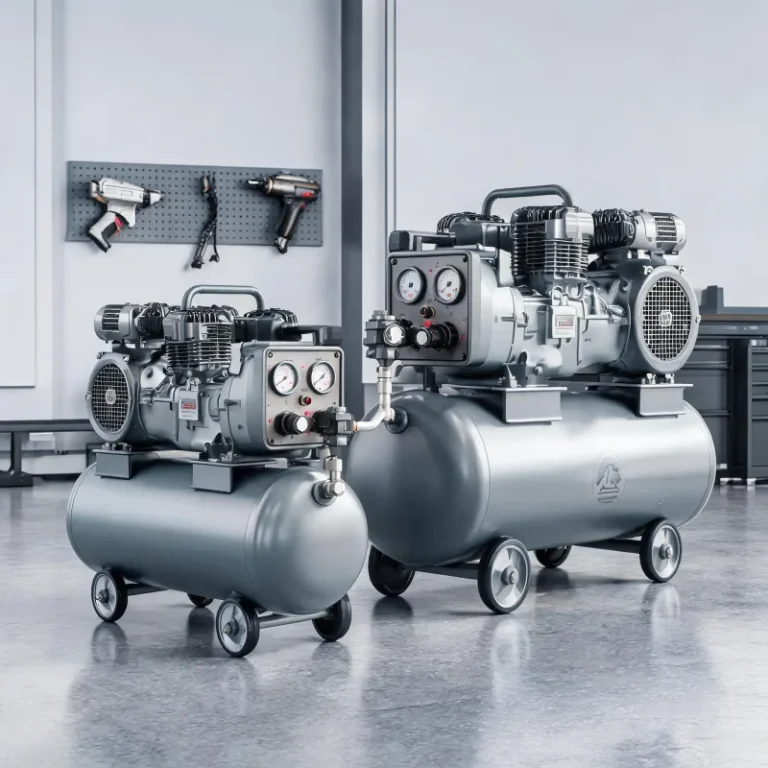
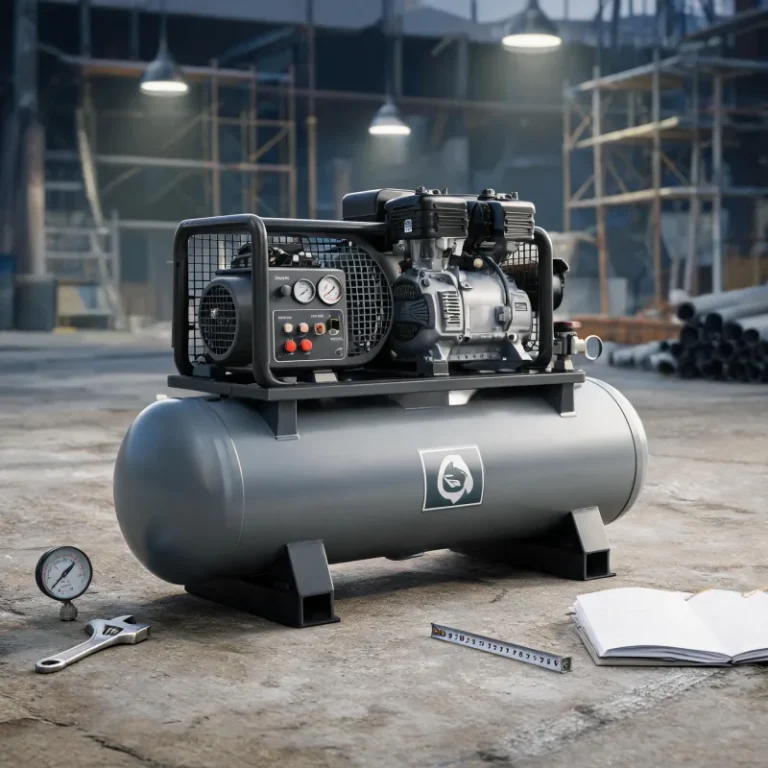
Tank size determines how much stored pressure you have to run multiple tools before the compressor cycles to refill. For 1 bay shops: 30-60 gallon tanks work for part-time use, 60 gallon is ideal for full-time. For 2 bay shops: 60-80 gallon tanks cover most general service needs. For 3+ bay shops: 120 gallon or larger tanks are required to keep up with constant tool use. Portable 10-30 gallon tanks only work for mobile mechanics doing on-site road service.
Total CFM Calculation Method
Once you add up your maximum simultaneous tool CFM, add 20% extra for future growth. That’s the total CFM you need to look for.
72% of small shops skip this step, according to Statista 2024’s survey of independent auto repair shop owners. Most buy a unit that fits their current needs, then add a second bay or higher-demand tools within 3 years and have to replace the entire compressor early.
In my 12 years working in auto shop management, I’ve seen this mistake cost shop owners an average of $1200 in wasted replacement costs over 5 years. Energy Star 2023 data confirms that adding 20% extra CFM to your sizing requirement adds less than 10% to the upfront purchase price of most compressors. The small extra cost upfront avoids a much larger expense later.
110V units are only suitable for compressors under 5 HP, which top out at around 12 CFM maximum continuous output. Any unit that needs 15+ CFM requires 230V hardwired power to sustain continuous operation. This is non-negotiable for full-time shops.
Compressor Type Selection
Reciprocating vs Rotary Screw
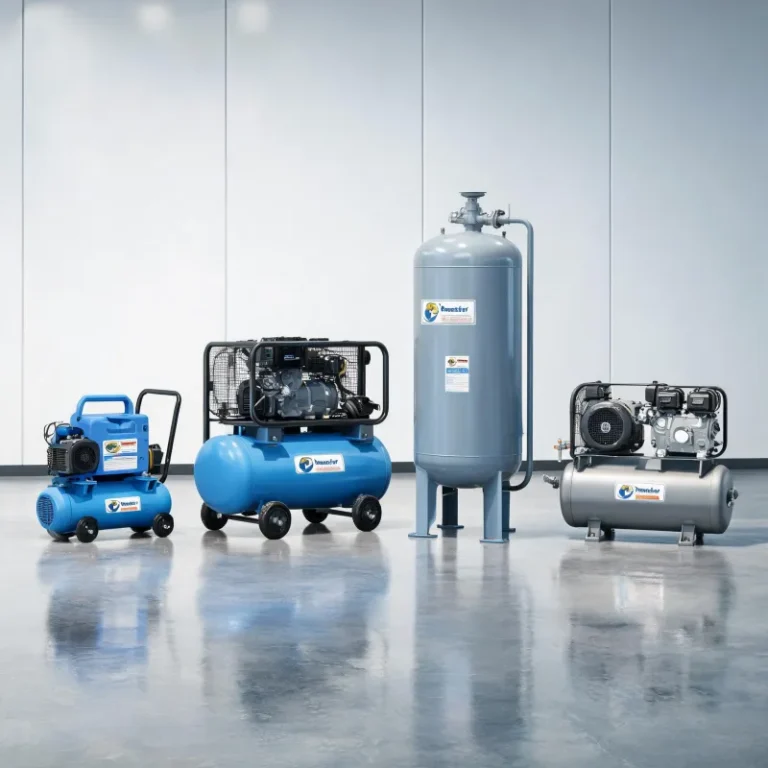
Reciprocating compressors are the most common option for small auto shops, with lower upfront cost. They work best for intermittent use, when you run tools for 1-3 hours a day total. They require more frequent maintenance, including draining moisture from the tank every week.
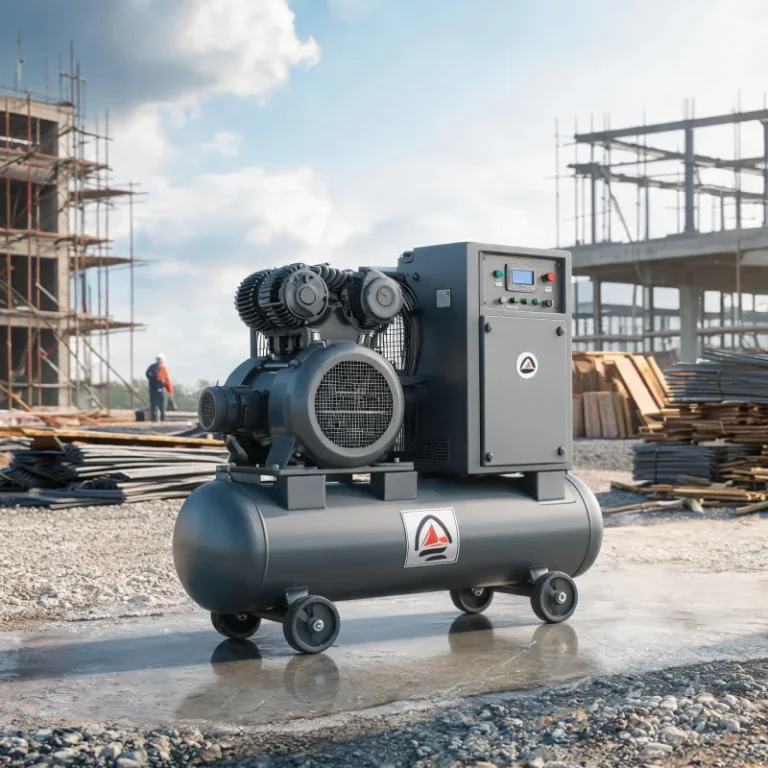
Rotary screw compressors are designed for continuous use. They run cooler, produce more consistent CFM, and require less frequent maintenance. For shops running tools 4+ hours a day, they are worth the extra upfront cost. Industry Week 2023 data shows that entry-level rotary screw compressors for small shops have dropped 18% in price over the past 5 years, making them more accessible to small independent shops now.
For mobile mechanics working out of a van, a portable reciprocating unit is the right choice. For full-time in-shop work, stationary units are always the better long-term investment.
Expert Insights
Undersizing is the most common mistake auto shop owners make when buying an air compressor. Adding 20% extra CFM upfront saves thousands in premature replacement costs.
Further Reading
- Air Compressor Buying & Sizing Guide for Construction & Mobile Job Sites
- Air Compressor Buying & Sizing Guide for Small Workshops & Garages
- Air Compressor Buying & Sizing Guide – kW, HP & Air Flow Sizing Formula
- Air Compressor Buying & Sizing Guide: Avoid Oversized & Undersized Compressors
- Air Compressor Buying & Sizing Guide for Auto Repair Shops & Mechanics – Air Compressor Buy
- Air Compressor Buying & Sizing Guide: Add Safety Margin for Future Expansion
- Air Compressor Buying & Sizing Guide: Tank Size, HP & Duty Cycle Breakdown
- Air Compressor Buying & Sizing Guide – Screw vs Piston Compressor Sizing Tips
About the Author

Related Reading: Portable Air Compressor Buying & Sizing Guide for Light-Duty Tasks
Frequently Asked Questions
What size air compressor do I need for a 2 bay auto repair shop?
For full-time operation, you need a 15-25 CFM at 90 PSI unit paired with a 60-80 gallon tank, powered by 230V power.
Can I run a 1/2 inch impact wrench with a 30 gallon air compressor?
You can run it intermittently for small one-off jobs, but it will lose pressure quickly if you do continuous work or run multiple tools.
Do I really need to add 20% extra CFM for future growth?
If you have no plans to add more bays or higher-demand tools, you can skip it. If you expect to grow your shop in the next 5 years, it's a mandatory step.
Is a rotary screw compressor worth the extra cost for a small shop?
If you run tools 4+ hours a day, yes. If you only work part-time out of your shop, a reciprocating unit will meet your needs at a lower cost.