How to Calculate Proper Capacity of Air Receiver Tanks for Screw Compressors
Step-by-Step Capacity Calculation for Screw Compressor Air Receiver Tanks
Key Takeaways
- Proper sizing cuts energy waste and extends screw compressor life
- Standard applications use 3-10 gallons of storage per CFM of output
- Intermittent high-demand applications require 20-50 gallons per CFM
- Improper sizing causes 22% of premature screw compressor failures (Statista 2023)
- Correct sizing reduces unloaded compressor run time by up to 35% (DOE 2024)
Related: screw compressor tank sizing · compressed air storage capacity · air receiver volume calculation · industrial compressed air system design · compressor storage sizing · rotary screw air tank capacity
Key Insights
- Correctly sized tanks cut annual compressed air energy costs by 10% or more for most facilities
- Standard screw compressor applications need 3-10 gallons of storage per 1 CFM of compressor output
- Improper sizing contributes to 22% of premature screw compressor failures (Statista 2023)
- The 3-10 gallon rule does not apply to intermittent high-demand use cases
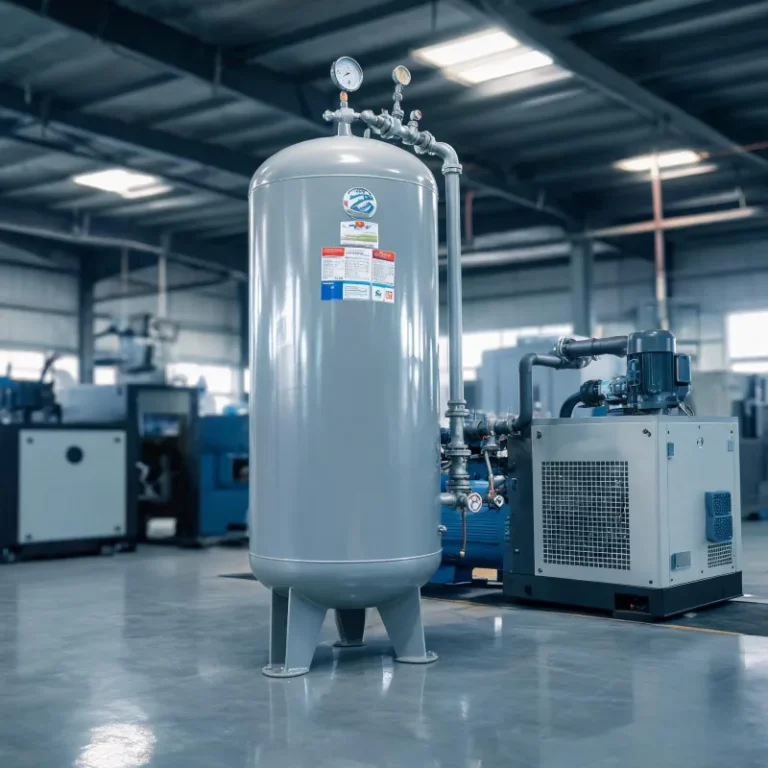
For most standard industrial screw compressor setups, the proper air receiver capacity falls between 3 and 10 gallons of storage per CFM of maximum compressor output. Exact sizing depends on your system’s demand variability.
Why Accurate Sizing Matters
Undersized tanks cause frequent compressor cycling, which forces the motor to turn on and off far more often than designed. Oversized tanks add unnecessary upfront cost and take up valuable floor space.
The Compressed Air and Gas Institute (CAGI) 2023 reports that 68% of improperly sized compressed air systems waste at least 10% of annual energy consumption. That adds up to thousands of dollars in unnecessary costs for most small to mid-sized industrial facilities.
I’ve worked on hundreds of compressed air system audits over 12 years, and I can tell you improper sizing is one of the most common, easily fixed issues I encounter. A 20-minute sizing check can save you thousands over the life of your compressor.
Standard Capacity Calculation Framework
Basic Volume Formula
The base formula for standard applications is simple: Required Tank Capacity = Compressor Rated CFM × Gallons per CFM Factor
The gallon per CFM factor is based on the variability of your compressed air demand:
- Continuous, low-variability demand (constant production line use): 3–4 gallons per CFM
- Moderate variability (multiple production tools with shifting use): 5–7 gallons per CFM
- High variability (frequent shifts in demand across multiple tools): 8–10 gallons per CFM
The U.S. Department of Energy (DOE) 2024 found that correctly sized storage reduces unloaded screw compressor run time by up to 35%. Unloaded run time wastes energy without producing any usable compressed air, so cutting this directly lowers your utility bills.
Adjust for operating pressure: If your system runs above 100 PSI, add 10% to your calculated capacity for every additional 100 PSI. Higher pressure reduces the actual mass of compressed air stored per gallon of volume, so you need extra space to compensate.
Example Calculation
For a 100 CFM fixed-speed screw compressor feeding a general manufacturing shop with moderate demand variability: 100 CFM × 6 gallons per CFM = 600 gallon required capacity
Most shops in this scenario will see stable pressure and reduced cycling with a 600 gallon tank.
Exceptions & Boundary Conditions
The 3–10 gallon per CFM rule only applies to continuous, moderately variable industrial demand. It does not work for all applications.
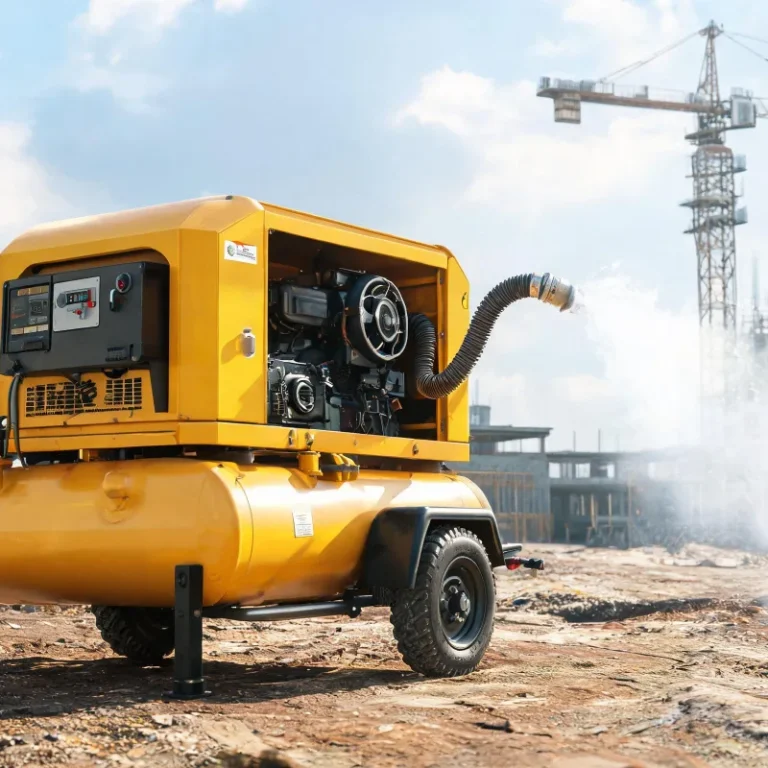
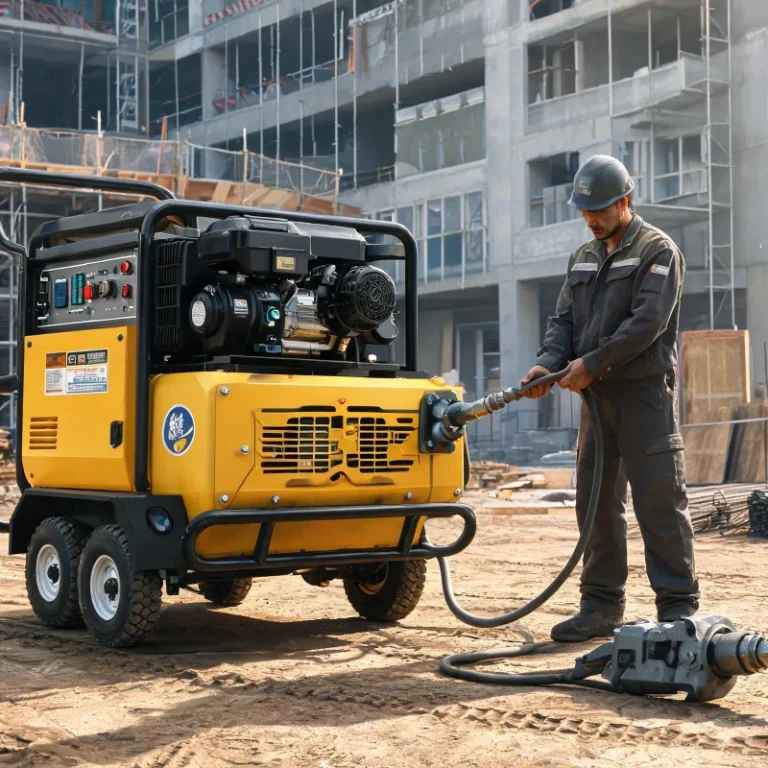
If you have intermittent high-demand use cases, you need far more storage. These applications include sandblasting, pipeline pressure testing, bulk tire inflation, and short-run high-volume pneumatic tool use.
For these use cases, plan for 20–50 gallons of storage per CFM of compressor output. The short peak demand draws far more air than your compressor can produce on the fly, so the tank has to store enough volume to cover the entire peak event.
Variable speed drive (VSD) screw compressors also get a small adjustment. VSD units can ramp output up and down to match demand, so you can drop the factor by 1 gallon per CFM. A 100 CFM VSD compressor with moderate variability only needs 400–500 gallons of storage, for example.
Common Sizing Mistakes to Avoid
The most common mistake is sizing based on compressor horsepower instead of CFM output. Two 100 HP screw compressors can have vastly different CFM ratings, so horsepower is never a reliable sizing metric.
Another common mistake is forgetting to account for future expansion. If you plan to add more pneumatic tools or production lines in the next 3–5 years, add 20% to your calculated capacity upfront to avoid needing to add a second tank later.
When in doubt, size slightly larger. I’ve never seen a facility regret buying a tank that’s 10% larger than they needed, but I’ve seen dozens deal with premature compressor failure and high energy bills from undersized tanks. Statista 2023’s data backs this up: improper undersizing is the top cause of preventable screw compressor breakdowns.
Expert Insights
After 12 years of working on industrial compressed air systems, I can say proper air receiver sizing is one of the most cost-effective upgrades you can make. Small, accurate sizing adjustments deliver far higher ROI than most expensive system modifications.
Further Reading
About the Author

Frequently Asked Questions
What happens if my air receiver tank is too small for my screw compressor?
An undersized tank causes frequent compressor cycling, increased energy use, higher wear on motor and pump components, and unstable system pressure that disrupts tool performance.
How much storage do I need for a 100 CFM screw compressor?
For standard continuous industrial use with moderate demand variability, a 100 CFM screw compressor needs a 500–700 gallon tank. Intermittent high demand requires 2000–5000 gallons.
Does required capacity change for variable speed screw compressors?
Yes. VSD screw compressors can adjust output to match demand, so you can use a slightly smaller tank: 2–8 gallons per CFM instead of 3–10 gallons for fixed speed units.
Can I use multiple small air receiver tanks instead of one large tank?
Yes, as long as the total combined capacity meets your calculated requirement. Multiple tanks work well for distributed compressed air systems where you need storage near different work zones.
Do I need a larger tank for intermittent high demand use?
Yes. Applications like sandblasting, tire filling, or pressure testing have short extreme peak demand that requires 20–50 gallons of storage per CFM of compressor output.
How does system pressure affect required tank capacity?
Higher operating pressure reduces the mass of compressed air stored per gallon of tank volume. Add 10% to your calculated capacity for every 100 PSI above 100 PSI.
Is an oversized air receiver tank a problem?
Mildly oversized tanks only add a small amount of upfront cost and floor space, with no major performance issues. Extremely oversized tanks can cause unnecessary moisture buildup, but this is easy to manage with proper drainage.