What Is the Difference Between Screw and Piston Air Compressors
Screw vs Piston Air Compressors: Key Differences Explained
Key Takeaways
- Core difference lies in operating mechanism and cycle
- Screw units are 20-30% more energy efficient
- Piston units are better for under 10 hours monthly use
- Screw units hold 62% of 2023 global industrial market share
- Screw units have lower annual maintenance costs
Related: rotary screw air compressor · reciprocating piston air compressor · air compressor energy efficiency · industrial air compressor · portable air compressor · CFM output · air compressor maintenance cost · intermittent air use · continuous air demand
- Screw compressors use rotating helical screws for continuous air compression, while piston compressors use reciprocating pistons for intermittent compression.
- Rotary screw units are 20-30% more energy efficient than comparable piston units, per 2024 U.S. Department of Energy data.
- Screw compressors dominate the industrial air compressor market, holding 62% of global market share in 2023 per Statista.
- Piston compressors are only the better choice for users with less than 10 hours of monthly air usage.
The core difference between the two units comes down to their operating cycle and intended use. Screw units are built for continuous operation, while piston units are designed for intermittent, low-demand air needs.
Working Mechanism Differences
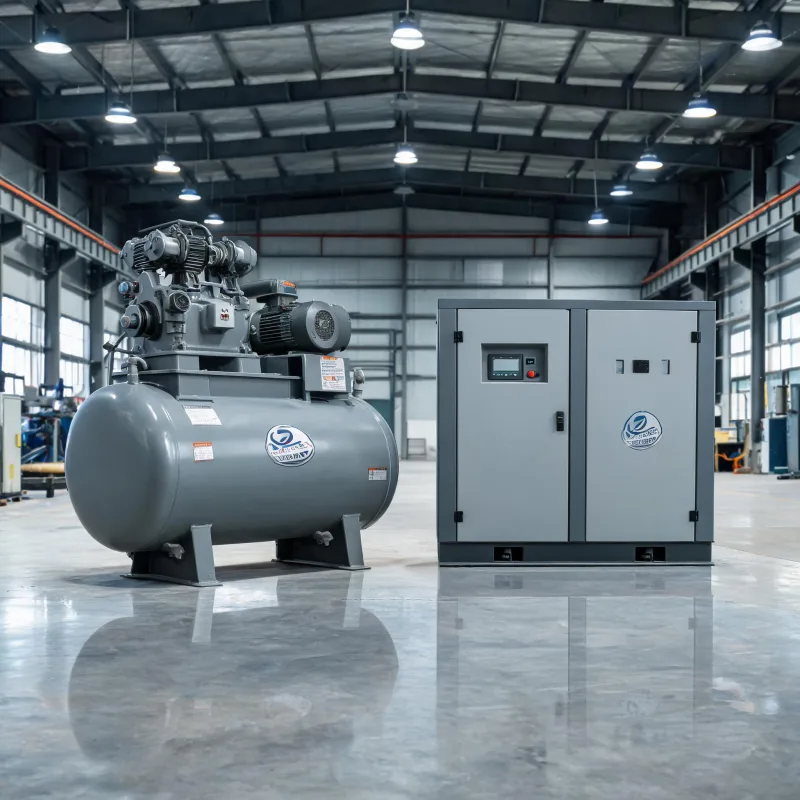
Screw units pull air into a chamber between two interlocking helical screws. As the screws rotate, the chamber volume shrinks, compressing the air before it exits the unit. The motion is continuous, so there’s no cycling on and off for steady demand.
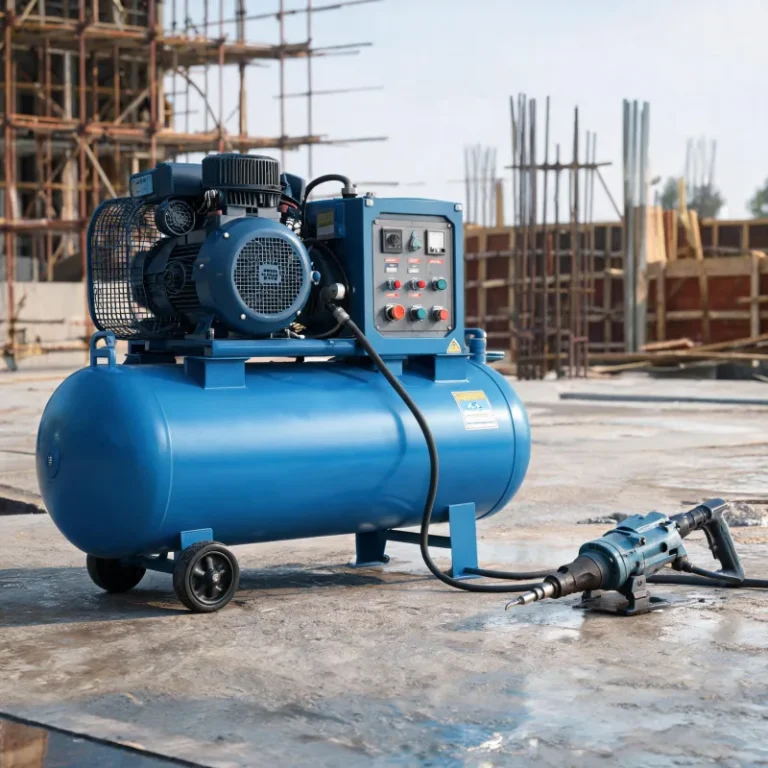
Piston units work like a small internal combustion engine. A piston moves up and down inside a cylinder, pulling air in on the downstroke and compressing it on the upstroke. Most piston units cycle on and off to maintain tank pressure, which creates frequent stop-start wear.
I’ve inspected dozens of worn piston units that ran 8 hours a day in small shops. The stop-start motion wears out piston rings and valve seals in 2-3 years, half the expected lifespan of a similarly used screw unit.
Cost Breakdown
Upfront Cost
Piston units have a much lower upfront cost. A 10 CFM piston unit costs $300-$800, while a comparable screw unit costs $1,200-$2,500. This lower entry price makes them attractive for casual users on a tight budget.
Operating and Maintenance Cost
Here’s where the math flips for frequent users. The U.S. Department of Energy (2024) confirms that rotary screw models are 20-30% more energy efficient than piston models of the same CFM rating. That adds up to hundreds of dollars in annual energy savings for operations that run the unit daily.
The Air Compressor Association (2023) reports that annual maintenance costs for piston units average 18% of the unit’s initial purchase price. For screw units, that number drops to 12% annually, thanks to fewer moving parts that experience repetitive wear.
Performance and Ideal Use Cases
Ideal Use Cases for Screw Compressors
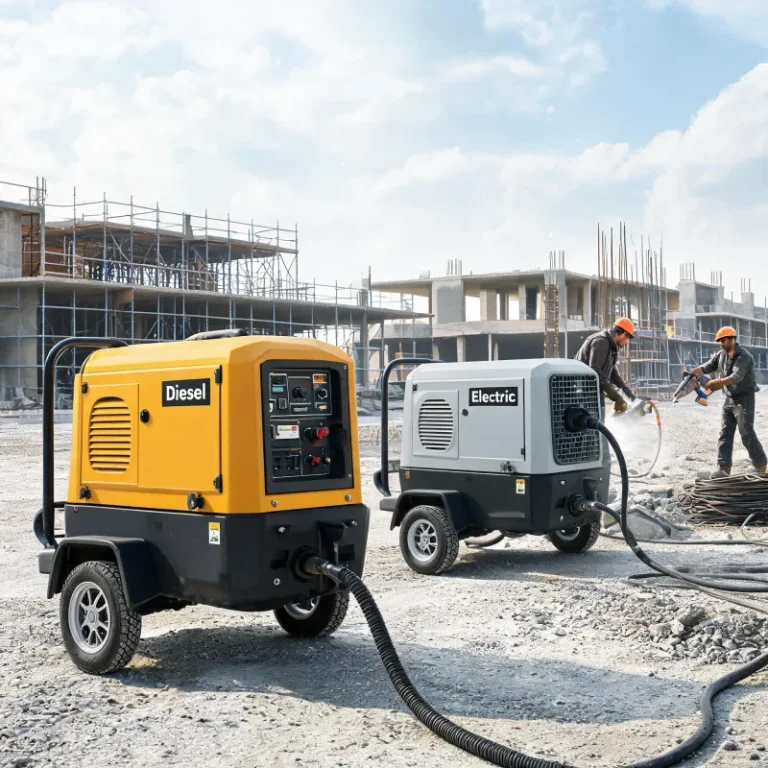
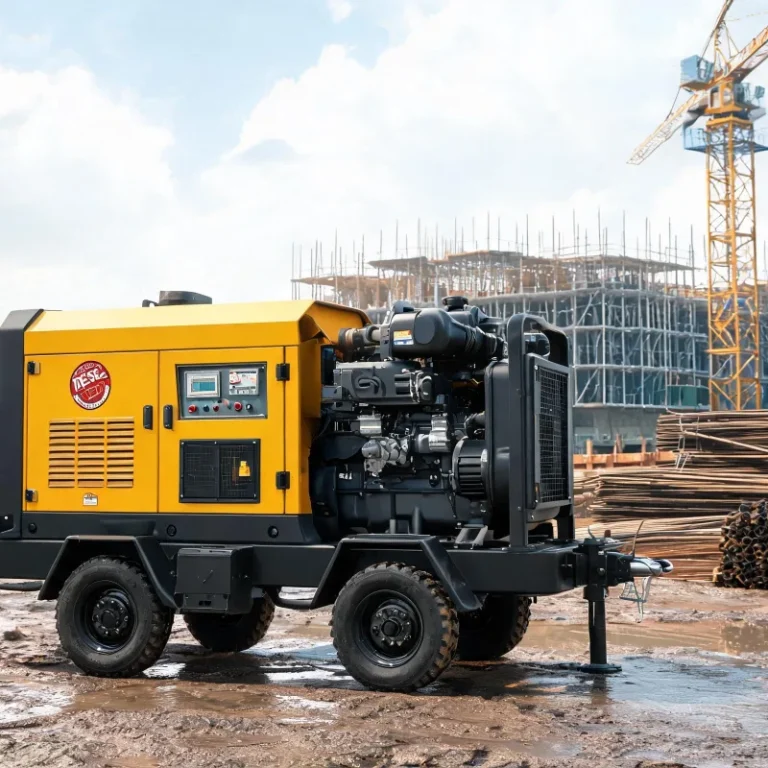
Screw units are the go-to for any operation that needs continuous airflow. Common applications include manufacturing lines, automotive body shops, auto repair garages that run multiple tools daily, and permanent construction site compressed air setups.
They run 30-40% quieter than similarly sized piston units, which makes them better for indoor workspaces where noise is a concern. Most mid-sized and larger screw units also come with built-in air dryers to prevent moisture buildup, which reduces pipe corrosion and pneumatic tool damage.
Ideal Use Cases for Piston Compressors
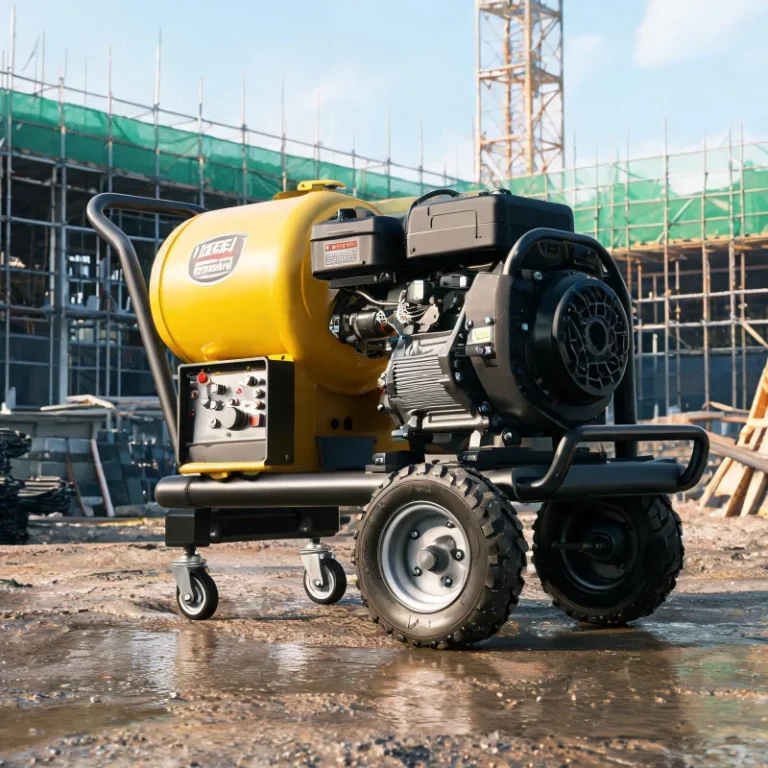
Piston units are ideal for users who only need compressed air occasionally. That includes hobbyists, small home garages that use a nail gun or tire inflator a few times a month, and remote job sites where portable, low-cost air is needed.
This is the exception most guides miss. If your monthly air usage is less than 10 hours total, the lower upfront cost of a piston unit offsets any energy savings you’d get from a screw unit. You’ll never recoup the higher initial investment. According to our experience, that’s true even for users who plan to expand later—you can always add a second unit later if your demand grows.
2023-2024 Market Trends
Statista (2023) data shows that rotary screw compressors hold 62% of the global industrial air compressor market, up from 54% in 2018. That growth is driven by rising global energy costs and more small businesses switching to full-time operational workflows.
Most new small to mid-sized commercial operations are opting for screw units now, even if their current demand is moderate. The International Energy Agency (2024) projects global industrial energy costs will rise 15% by 2027, so the energy efficiency of screw units becomes even more valuable over the unit’s lifespan.
Expert Insights
As a 12+ year air compressor industry technician, I recommend screw units for any commercial operation that uses compressed air more than 10 hours a month. The energy and maintenance savings offset the higher upfront cost in 2-3 years for most users. Piston units are only ideal for hobbyist and low
— demand intermittent use cases.
Further Reading
About the Author

Frequently Asked Questions
Which is better for a home garage?
If you only use air tools 1-2 times a month, a small piston unit is the most cost-effective. If you use tools weekly, a small screw unit saves you money over time.
Do screw compressors last longer than piston compressors?
For continuous daily use, screw compressors last 2-3 times longer than piston compressors. For intermittent use, both can last 10+ years with proper maintenance.
Are screw compressors more energy efficient?
Yes, 2024 U.S. Department of Energy data shows they are 20-30% more efficient than comparable piston units.
Can I use a piston compressor for continuous operation?
You can, but it will lead to frequent breakdowns and much higher energy costs. It is not recommended for use over 1 hour at a time.
How much does annual maintenance cost for each type?
The Air Compressor Association 2023 reports piston maintenance averages 18% of initial cost annually, while screw maintenance averages 12% annually.
Are piston compressors more portable than screw compressors?
Small piston units are much lighter and easier to move than similarly sized screw units, making them better for frequently moved job site setups.
Which type requires more frequent repairs?
Piston compressors require more frequent repairs for continuous use, due to the stop-start wear on piston rings and valve seals.