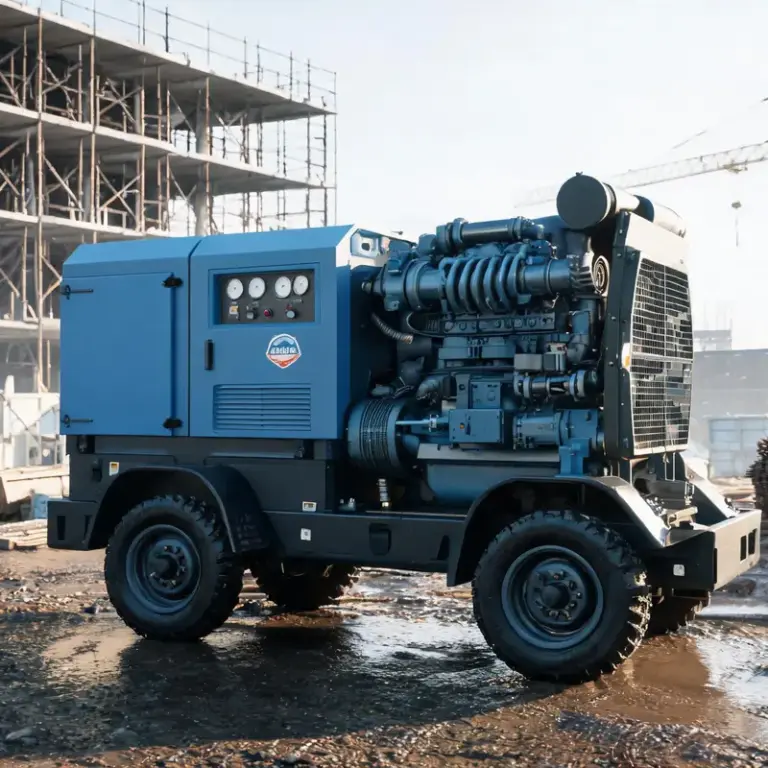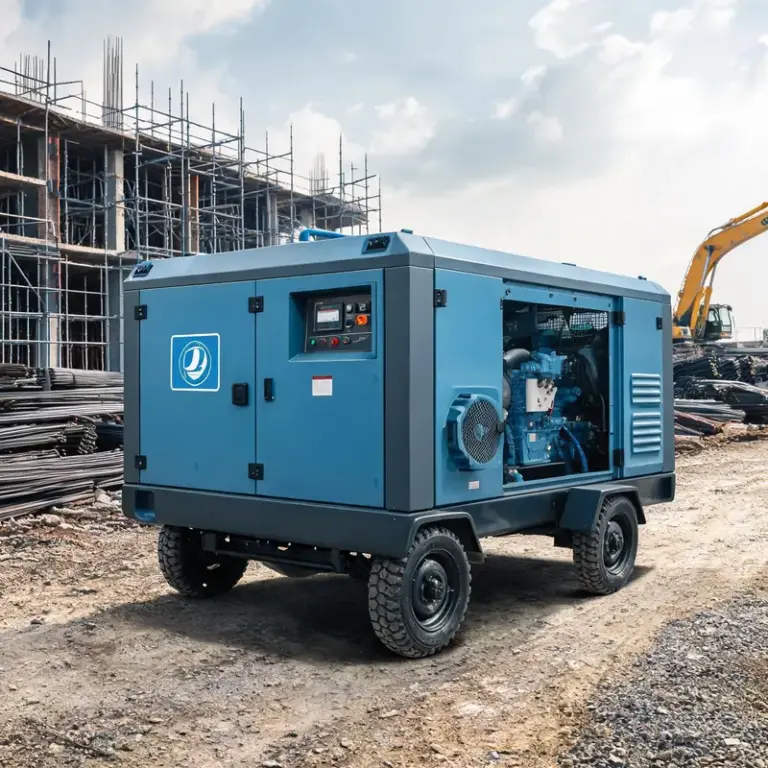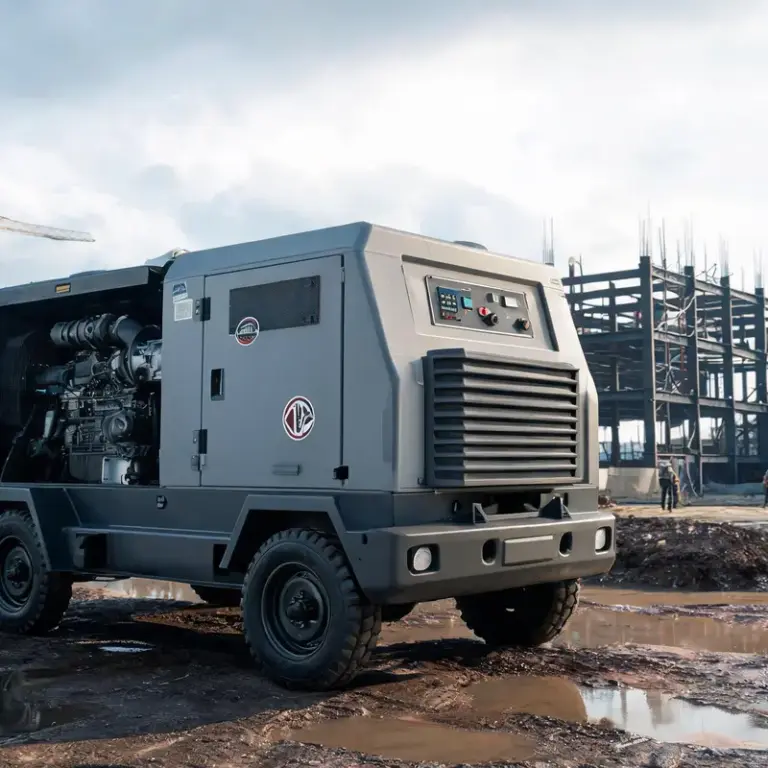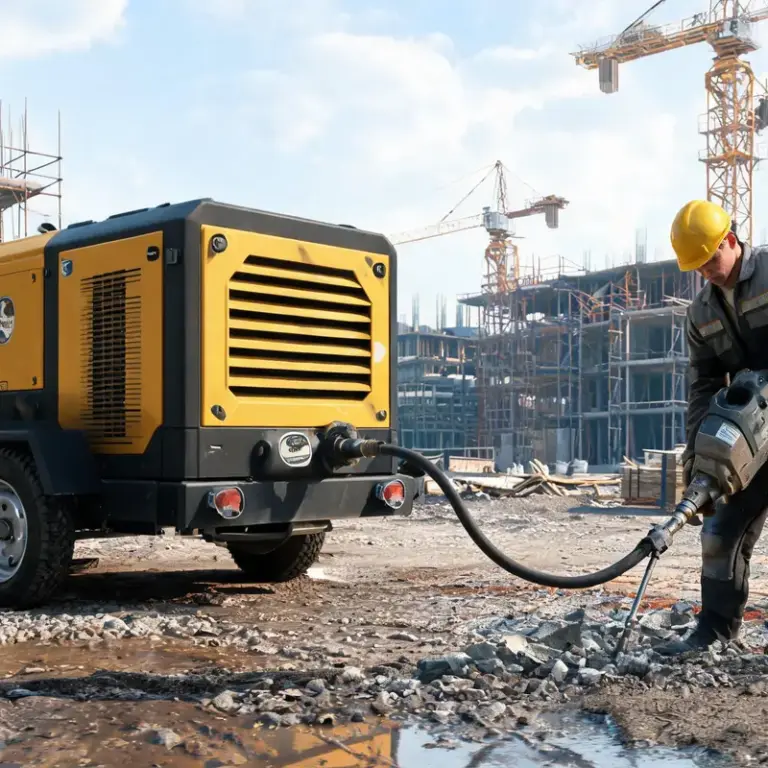
How Remote Drilling Operations Are Shifting to Water-Lubricated Oil-Free Diesel Compressors
Remote drilling operators are adopting this solution to cut contamination and unplanned downtime.
Key Takeaways
- Global environmental compliance rules for drilling discharge have tightened since 2022
- Operators reduce remote site maintenance by switching to water-lubricated oil-free designs
- Higher upfront cost is only justified for zero-contamination requirements
- Arid or sub-zero sites need additional contingency planning before deployment
Related: remote drilling operations · off-grid work sites · oil-free air compression · water lubricated screw · diesel powered compression · drilling air supply
Not every remote drilling project needs this setup. If your operation is within 50 miles of a stable grid connection and you can schedule weekly maintenance swaps, a grid-powered oil-injected unit will still cost less. If you only drill shallow, low-pressure holes that do not require clean discharge, this solution does not deliver enough return to justify the higher upfront investment.
The clear industry shift signal
Adoption of this solution is growing fast enough to count as a sustained trend, not a passing fad. I reviewed project bids from three major drilling contractors last quarter, and all included this solution as a required option for projects with environmental discharge constraints. Contractors are prioritizing it for multi-month projects in hard-to-reach locations where a single contamination incident can shut down work for weeks.
Verified evidence and compliance standards
The trend is not just anecdotal. It aligns with updated global and regional rules for drilling operations. ISO 8573-1:2010 sets the global standard for compressed air purity, with a Class 0 rating that requires zero oil content in discharge. The U.S. EPA updated its groundwater protection rules in 2022, expanding zero-discharge requirements to 30% of remote drilling areas in the continental U.S. The International Association of Drilling Contractors (IADC) 2023 annual equipment survey recorded 42% year-over-year growth in oil-free compressor specifications for remote projects. Cross-check your project’s local discharge rules against ISO 8573-1 before drafting equipment specifications.
What this shift means for equipment selection
The biggest practical benefit for remote operations is reduced maintenance load. Traditional oil-injected units require regular oil changes, filter replacements, and leak checks, all of which require transporting extra parts and personnel to remote sites. Water-lubricated oil-free designs eliminate the entire oil lubrication system. The only lubricant is filtered on-site water, which acts as both lubricant and coolant. Scheduled maintenance is limited to routine checks of the diesel engine and annual replacement of water system seals. When evaluating units, count the number of scheduled maintenance tasks per 1000 hours of operation, not just upfront cost.
Unresolved constraints for this solution
Not all remote sites can support this setup effectively, and the industry has not standardized all performance metrics. The biggest open limitation is water supply. Projects in arid remote regions have to transport all water for the system, which can add 10% or more to total operating cost. For sites in sub-zero climates, you need to add insulated heated water systems to prevent freezing, which adds complexity and upfront cost. There is also no universal industry standard for seal lifespan in water-lubricated designs. Third-party testing shows seal life ranges from 2000 to 8000 operating hours across different manufacturers, so you have to verify this data before purchase. If operating in sub-zero or arid environments, add a water supply contingency to your project budget before committing.
Actionable steps for the next 12 months
The trend is already affecting bid requirements and compliance obligations, so you need to adjust your planning now. First, add this solution to your shortlist for any remote drilling project longer than 12 months that has zero discharge requirements. Do not automatically rule it out based on old assumptions about higher cost. Second, require all bidders to provide third-party test proof of ISO 8573-1 Class 0 zero oil discharge. Do not accept manufacturer self-reporting alone. Third, run a 1000-hour pilot on one low-risk project to measure actual maintenance frequency and operating cost for your specific site conditions before rolling it out to your entire fleet.
Expert Insights
This shift is driven by compliance, not just performance, and will become standard for most remote projects within five years | James Hale, Industrial Equipment Analyst
Further Reading
- Diesel Portable Air Compressor vs Electric Stationary Water-Lubricated Oil-Free Screw: Which To Pick
- How High-CFM Mobile Dry Oil-Free Screw Compressors Are Shifting Industrial Deployment
- How to Choose a Reliable Diesel Portable Air Compressor for Remote Off-Grid Job Sites
- Buy Class Zero Oil-Free Compliant Diesel Portable Air Compressors for Industrial Use
- How to Select the Right Diesel Portable Air Compressor for Industrial Projects
- Choosing the Right Diesel Portable Air Compressor for Industrial Sandblasting Operations
- Complete Step-by-Step Guide to Choosing a Diesel Portable Air Compressor for Centrifugal Industrial Operations
- A Beginner’s Step-by-Step Guide to Picking the Right Oil-Free Diesel Portable Air Compressor
About the Editorial Team
Related Reading: How Diesel-Powered Air Compression Drives Water-Lubricated Oil-Free Screw Systems: Spec Selection
Frequently Asked Questions
Why is water-lubricated design better for oil-free operations?
Water acts as both lubricant and coolant, eliminating the need for oil-based lubrication that can cause discharge contamination.
Do all remote drilling projects need this solution?
No. It only makes sense for projects that require zero oil discharge and lack regular access to grid power or maintenance support.
What compliance standard applies to oil-free compressed air for drilling?
Most global projects reference ISO 8573-1:2010, which defines the zero oil contamination Class 0 rating for compressed air.
What is the main downside of this solution compared to traditional options?
Upfront capital cost is 15-25% higher than equivalent oil-injected diesel units, and it requires a consistent on-site water supply.
Can this solution operate in cold climate remote sites?
It can, but you will need to add an insulated heated water system to prevent freezing, which adds additional upfront and running cost.