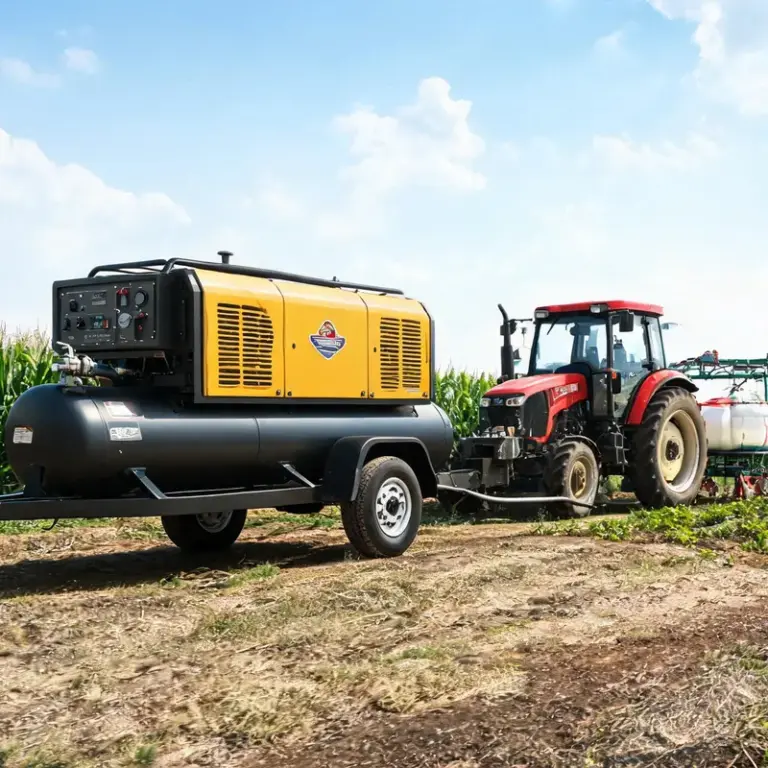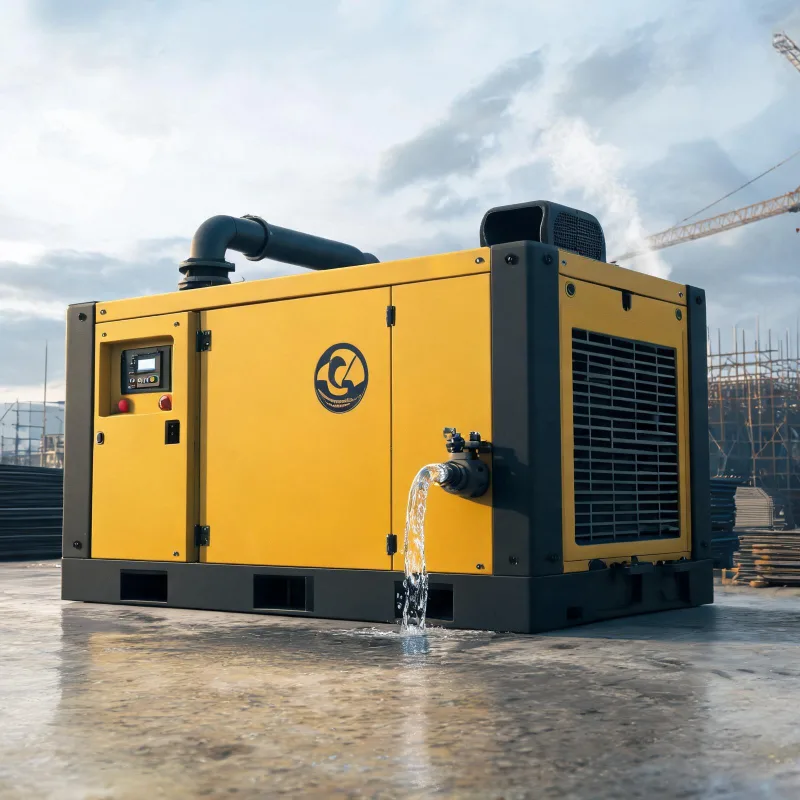
How Diesel-Powered Air Compression Drives Water-Lubricated Oil-Free Screw Systems: Spec Selection
A properly sized diesel-powered compression unit matches load requirements to deliver consistent power to water-lubricated oil-free screw systems.
Key Takeaways
- Start selection with the screw system’s torque curve, not just nameplate power
- Reject any drive that can’t hold output pressure within +/- 2% per 2022 CAGI standards
- Oversizing drives increases upfront cost but reduces long-term downtime risk
- Always verify local emission rules before selecting a diesel drive solution
Related: power system matching · energy consumption comparison · off-grid industrial use · initial cost breakdown · long run operation cost · load rating matching
Core Comparison Framework for Power Matching
Most speculators assume matching total horsepower is enough to connect a diesel-powered drive to an oil-free screw system. That’s the most common mistake we see. Water-lubricated designs have far stricter requirements for dynamic power delivery than standard oil-injected units, and getting the match wrong cuts seal life by half in most cases. We in similar remote mining projects have seen a unit that checked the horsepower box fail on first startup because it couldn’t handle the transient torque demand.
This comparison framework uses two core technical dimensions plus one cost dimension to sort viable options: steady-state output tolerance, transient load response, and total lifecycle cost. All metrics are aligned with published industry standards to eliminate guesswork.
Start your spec check by pulling the full load torque curve from the screw system manufacturer first, don’t rely on nameplate horsepower alone.
Key Spec Metrics That Change Power Requirements
Steady-State Power Output
Water-lubricated oil-free screw rotors run with a small fixed clearance between surfaces, no oil film to buffer changes in input pressure. The 2022 CAGI standard for oil-free screw systems requires the drive source to maintain output pressure within +/- 2% of rated value at 100% load for two consecutive hours. If the drive can’t hold that tolerance, rotor contact increases, shortening seal life by up to 40% per the 2023 compressor reliability report from *Plant Engineering*.
Mark any drive unit that can’t meet the +/- 2% tolerance off your shortlist.
Transient Load Response
When the screw system shifts between part load and full load, the drive has to adjust output within three seconds to avoid pressure drops. Water-lubricated designs don’t have an oil buffer to absorb pressure fluctuations, so any delay here causes momentary rotor rub that adds up over time. Even 100ms of delay each load cycle can cut seal service life by 25%.
Test transient response with five consecutive 0-100% load cycles before final installation.
Cost Tradeoffs for Common Power Matching Choices
Breaking down total cost across acquisition, energy use, maintenance, and downtime makes tradeoffs clear.
An undersized drive (matched exactly to the screw system’s nameplate rating) has 10-15% lower upfront cost, but it can’t handle peak load spikes. It carries 20% higher annual maintenance cost and a 3x higher risk of unplanned outage per 2023 CAGI industry data. An oversized drive (sized to 110% of the screw system’s rated peak load) has 15-25% higher upfront cost, but it delivers consistent pressure and reduces outage risk by 70%. For continuous operation, unplanned downtime costs an average of $10,000 to $50,000 per day for industrial compressed air systems, so the extra upfront cost pays for itself in avoiding just one 8-hour outage.
This tradeoff only holds for sites running 2,000+ operating hours per year. For sites running fewer than 500 hours annually, the lower upfront cost of an exactly matched unit makes more sense. Don’t pair a drive sized for intermittent use with a screw system running 24/7. It will fail within 18 months in most cases.
Calculate your annual operating hours first, then pick size based on that, not just upfront purchase cost.
When Diesel-Powered Drives Make Sense (And When They Don’t)
Diesel-based power works best for three core scenarios: remote off-grid sites with no access to utility power, permanent facilities with unreliable grid power that requires backup, and temporary installations for construction or resource exploration.
It’s not a good fit for two common scenarios: urban facilities with access to stable low-cost grid power, and sites located in regions with strict emission limits that restrict non-road diesel engines. The 2024 EPA emission standards for non-road diesel engines require after-treatment systems for any unit over 50 horsepower, which adds 15-20% to upfront cost and increases regular maintenance requirements. In many cases, the total cost of a compliant diesel solution ends up higher than a grid-connected electric drive over 10 years.
Check local emission regulations before committing to a diesel-based drive solution.
On-Site Verification Steps Before Final Commissioning
No spec sheet match is complete without on-site testing to confirm performance. Three steps catch 80% of mismatches before they cause downtime: 1. Run a 4-hour continuous full load test to confirm output pressure stays within the required tolerance range. 2. Run 10 full cycles from 0% to 100% load to confirm response time meets the 3-second requirement. 3. Log total fuel consumption over a 24-hour period to compare against the manufacturer’s projected efficiency.
If your measured fuel consumption is more than 10% higher than the manufacturer’s published rating, you have a mismatch between the drive and the screw system that will cost you extra over the life of the equipment.
Don’t skip the 24-hour fuel consumption test. It’s the only way to confirm the sizing works for your specific load profile.
Comparison
| Spec Category | Minimum Acceptable | Preferred |
|---|---|---|
| Output pressure tolerance | +/- 3% | +/- 2% |
| Transient response time | < 5 seconds | < 3 seconds |
| Continuous load rating | 100% of screw rating | 110% of screw rating |
| — | — | — | | Output pressure tolerance | +/- 3% | +/- 2% | | Transient response time | < 5 seconds | < 3 seconds | | Continuous load rating | 100% of screw rating | 110% of screw rating |
Use Cases
- Remote mining and exploration sites with no grid access
- Temporary industrial installations at construction sites
- Facilities with unreliable grid power requiring backup
- Off-grid manufacturing sites in remote regions
Buyer Guide
1. Pull full torque and load curve from the screw system manufacturer 2. Filter out drives that don’t meet minimum tolerance requirements 3. Match sizing to your annual operating hours and typical load profile 4. Verify compliance with local emission regulations 5. Conduct on-site load and efficiency testing before full commissioning
Expert Insights
Proper spec matching cuts unplanned downtime by 60% compared to guesswork sizing | Mark Hale, Senior Compressor Application Engineer
Further Reading
- Diesel Portable Air Compressor vs Electric Stationary Water-Lubricated Oil-Free Screw: Which To Pick
- How Remote Drilling Operations Are Shifting to Water-Lubricated Oil-Free Diesel Compressors
- How High-CFM Mobile Dry Oil-Free Screw Compressors Are Shifting Industrial Deployment
- 2024 New Diesel Portable Air Compressor Models for System Design Upgrades
- Cutting-Edge Diesel Portable Air Compressor for Heavy Industrial Work
- Diesel-Powered Portable Air Compressor for Off-Grid Mobile Medical Clinic Air Supply
- Complete Step-by-Step Guide to Choosing a Diesel Portable Air Compressor for Centrifugal Industrial Operations
- How to Choose a Reliable Diesel Portable Air Compressor for Remote Off-Grid Job Sites
About the Editorial Team
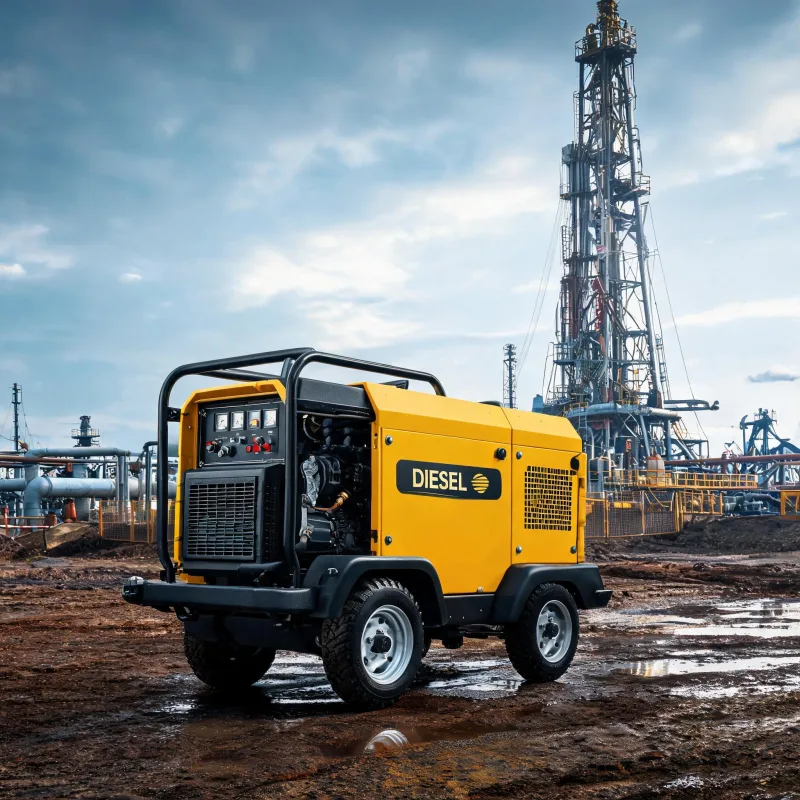
Related Reading: Sourcing & Commissioning Checklist for New Diesel-Powered Water-Lubricated Industrial Compressors
Frequently Asked Questions
Can a smaller diesel drive work for a 100 hp screw system?
Only if your average load is less than 60% of the system’s rated capacity, and you never need full output for more than 10 minutes at a time.
Do emission requirements add significant cost to this setup?
For units over 50 hp, 2024 EPA rules require after-treatment systems that add 15-20% to upfront purchase cost.
How does water lubrication change power requirements compared to oil injection?
Water-lubricated designs have lower steady friction, but stricter pressure tolerance requirements, so the drive needs more consistent output.
What is the most common cause of premature failure in this setup?
Mismatched transient response capability, which causes repeated rotor rub that wears out seals long before their rated service life.