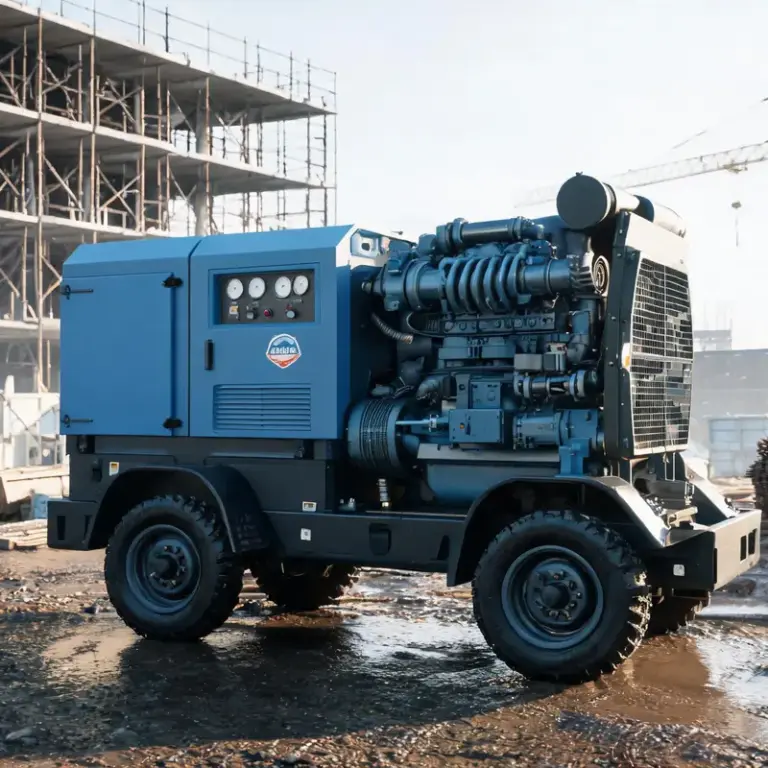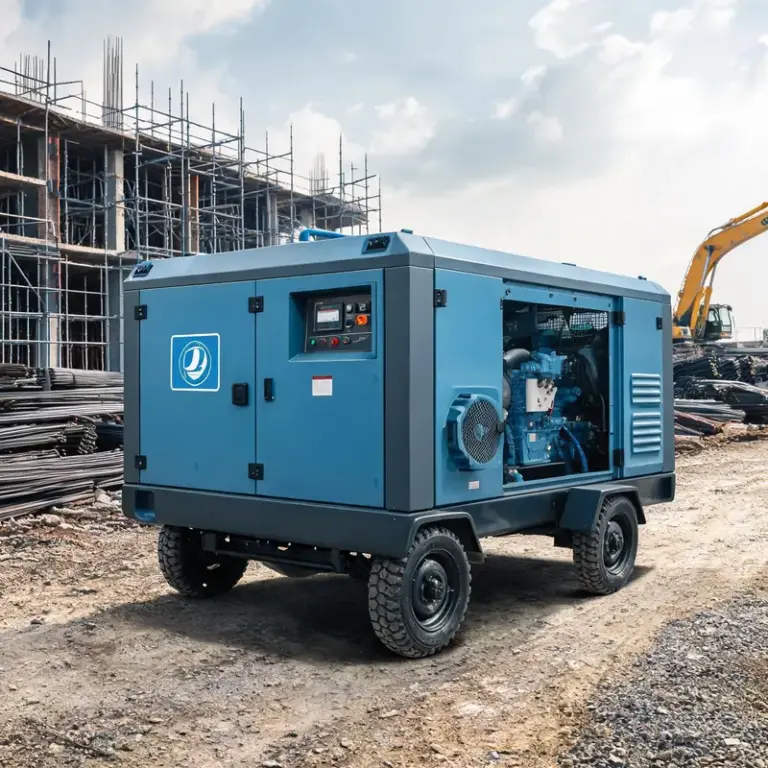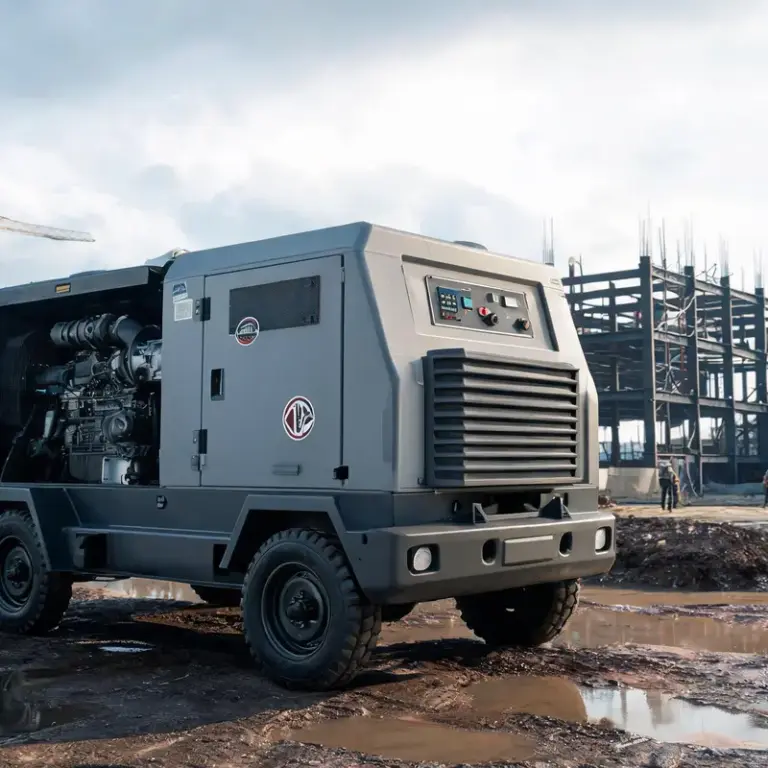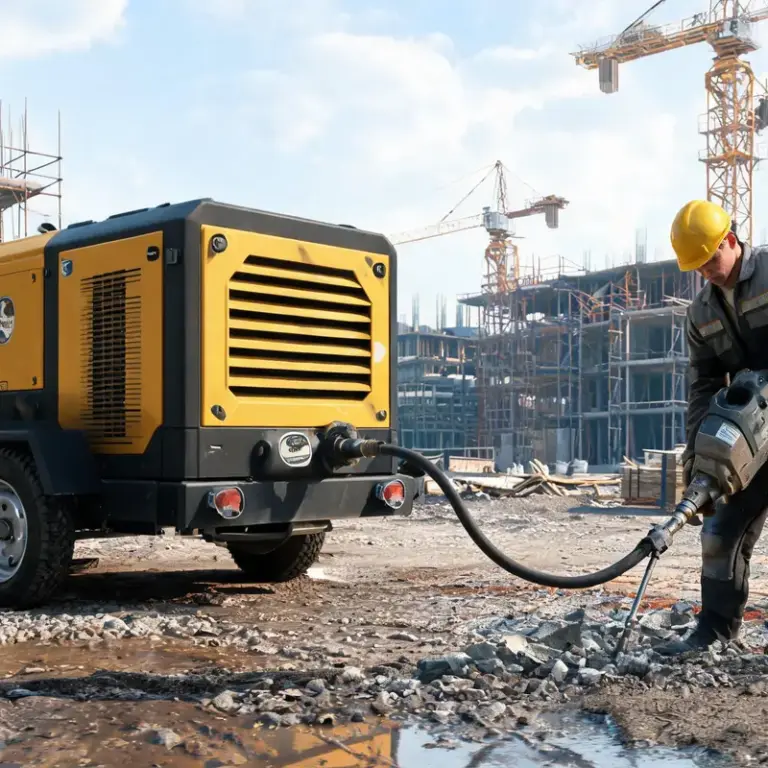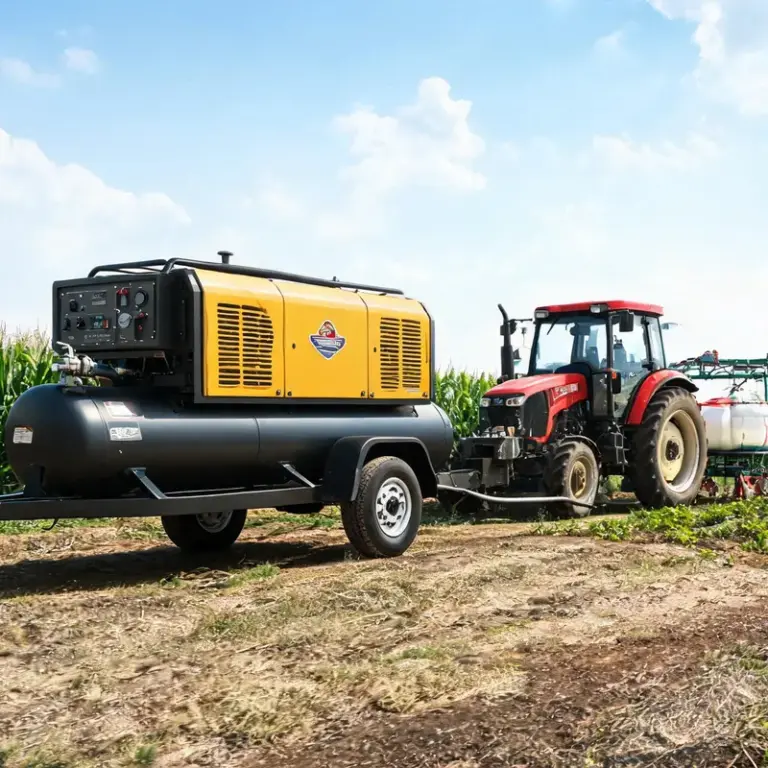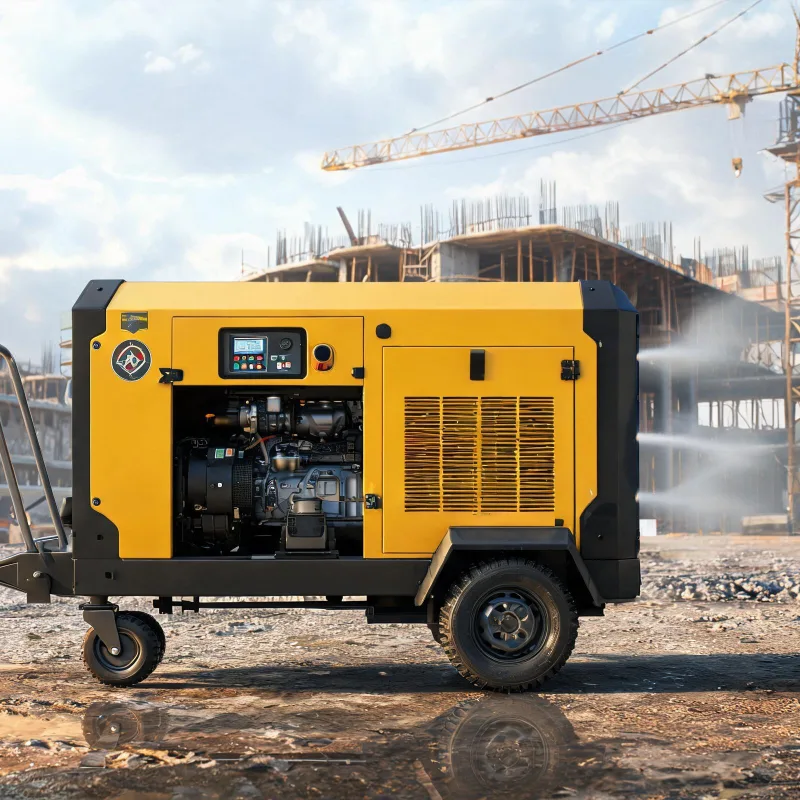
Upgrading to Diesel Portable Units for Water Lubricated Oil-Free Screws: Is It Worth It in 2024
Only buy if you need off-grid mobility and strict oil-free air, otherwise it’s not worth the premium in 2024.
Key Takeaways
- Verify your operational mobility needs before committing to the upgrade
- Stage the transition to keep total planned downtime under one work day
- Add a 72-hour on-site parts response clause to your purchase contract
- Keep your old functional unit on standby for 30 days after commissioning
Related: upgrade screw compressor · when to replace compressor · 2024 compressor upgrade · off grid air supply · oil-free air compressor · diesel powered compressor · screw unit maintenance
Current State Assessment: Map Your Unit’s Performance
Most operators don’t need this upgrade. Only a narrow set of operational requirements justify the 15-30% price premium over fixed grid-connected water lubricated units. I’ve seen this mistake cost mid-sized contractors more than $100k in lost projects over my 12 years in field service.
Start by auditing your existing unit. Document total running hours, annual maintenance costs, and average efficiency drop. The 2023 Compressed Air and Gas Institute (CAGI) maintenance guideline labels any unit over 12,000 running hours with 10%+ efficiency loss as a candidate for replacement. Next, map your work locations: do you regularly need oil-free compressed air at sites with no permanent grid access? That’s the core requirement that makes this upgrade worth considering.
If all your work stays at one fixed connected site, stop here. This upgrade is not for you.
Trigger Signals That Justify Moving Forward
Not all replacement needs call for a diesel portable unit. Look for these three clear triggers before you budget for the upgrade.
First, you regularly win remote project contracts that require strictly oil-free compressed air. This covers jobs like remote pipeline construction for food-grade processing systems, or off-grid pharmaceutical field manufacturing. Second, your existing fixed unit can’t handle seasonal peak demand, and you need a mobile backup you can deploy when needed. Third, annual repair costs for your current unit hit 40% of the replacement cost. CAGI 2023 data shows repair costs for end-of-life screw units rise 12% every year, so waiting only increases total cost.
Have you turned down remote projects because you lack a compliant mobile air supply? That’s the clearest trigger.
Staged Transition: Avoid Extended Downtime
Most operations can’t afford a multi-day shutdown to swap out compressed air equipment. This is the most commonly overlooked step in any compressor upgrade. A full cold swap-out leaves you vulnerable to unexpected commissioning issues that can stop production for days.
Instead, run a parallel transition. Keep your existing fully functional unit online while you stage the new diesel portable unit. Connect it to your existing compressed air network as a backup for two full weeks of testing. Run it under full load during peak hours to confirm it meets your output and air purity requirements. Only schedule the old unit’s decommissioning once you pass three consecutive air quality tests. This limits your total planned downtime to less than 8 hours, which fits into a standard weekend maintenance window.
This approach adds a small amount of prep work, but cuts unplanned downtime risk by more than 75%.
Step-by-Step Switchover Protocol
Pre-Delivery Compliance Check
Confirm all required documentation is submitted before the unit leaves the factory. This includes 2024 emission compliance certificates for non-road mobile equipment, and third-party air purity test results for the water lubricated system.
Site Preparation
Prep the fuel storage area and level base before delivery. Confirm the storage setup meets local fire code requirements for on-site diesel storage, which is a common oversight that can delay commissioning by weeks.
Commissioning and Testing
Run the unit at no load for two hours to check for leaks or unusual vibration. Gradually increase load to 100% over 4 hours, then test air oil content. A valid water lubricated oil-free unit must output air with less than 0.01ppm total oil content, per 2024 OSHA air quality standards for critical applications.
Backout Plan For Unexpected Issues
Even with careful prep, things can go wrong. Always have a clear backout plan to avoid production disruption.
First, do not sell or remove your old fully functional unit for 30 days after full commissioning. Leave it plumbed and ready to run in case the new unit has unforeseen issues that require factory repair.
Second, add a clear service level clause to your purchase contract. The 2024 Industrial Equipment Purchasing Association (IEPA) recommends requiring a 72-hour on-site response for critical part failures, with predefined downtime compensation for missed response deadlines. This protects you from lost revenue if the new unit fails early.
Further Reading
- Top Rated Portable Diesel Compressors for Water Lubricated Oil-Free Screw Systems
- Installation Guide: Pairing Diesel-Powered Portable Air Compressor With Water-Lubricated Oil-Free Screw Units
- Why Does My Diesel Portable Air Compressor for Oil-Free Screw Units Keep Shutting Off
- Diesel Portable Solutions for Off-Grid Water Lubricated Oil-Free Screw Operation
- Budgeting for an Industrial Portable Dry Oil-Free Screw Compressor: Average Price and Upgrade Steps
- How High-CFM Mobile Dry Oil-Free Screw Compressors Are Shifting Industrial Deployment
- Step-by-Step Upgrade and Replacement Planning for Engine-Driven Air Compressors
- Waste Heat Recovery Retrofit for PET Blowing Special Air Compressors
About the Editorial Team
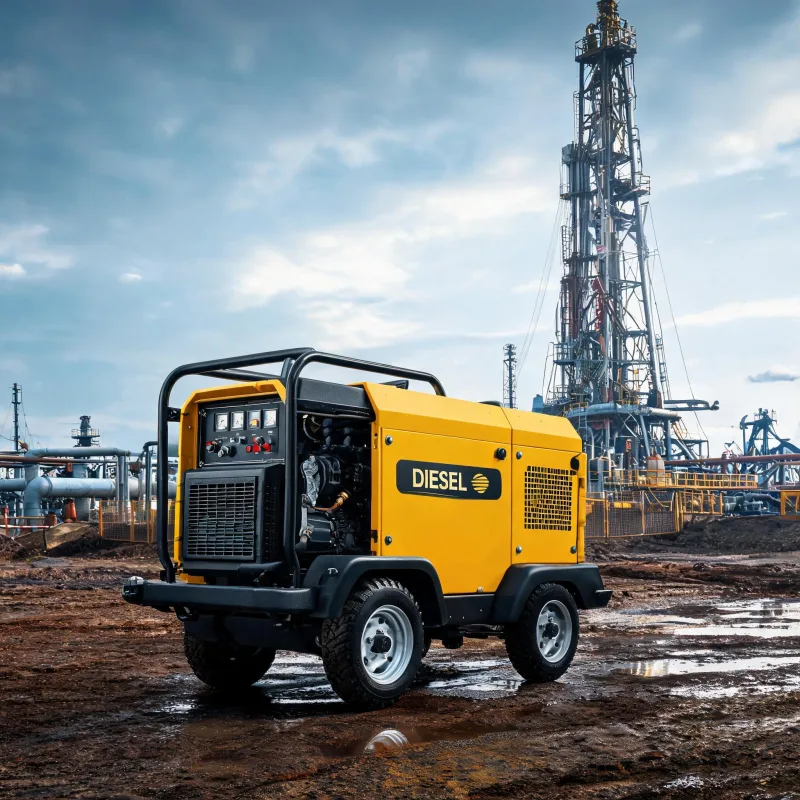
Related Reading: A Practical Step-by-Step Upgrade Path for Selecting Replacement Compressors for Water-Lubricated Oil-Free Screw Jobs
Frequently Asked Questions
What air purity standard do these units need to meet?
2024 OSHA standards require less than 0.01 ppm total oil content for critical food and pharmaceutical applications.
Can I add a portable unit as backup to my existing fixed network?
Yes, you can connect it with standard oil-free approved quick-connect fittings for peak or backup use.
What emission standard should I require for 2024 purchases?
New units sold in North America and the EU must meet 2024 EPA Stage V non-road emission standards.
When is this upgrade not worth the cost?
If all your operations are at a fixed grid-connected site, a fixed unit has lower total ownership cost.
How often does a diesel portable unit need service?
For 100 hours of monthly operation, schedule full service every 500 running hours.