2026 Full Air System Upgrade Case for Snack Food Factory
Full Air System Overhaul Case for Mid-Sized North American Snack Food Factory
Key Takeaways
- 38% annual energy cost reduction after full upgrade
- 18% of 2024 US food recalls linked to compressed air contamination
- 2 year average ROI for mid-sized snack factory projects
- Not suitable for small operations under 5,000 annual tons
Related: food grade compressed air for snack manufacturing · energy efficient air system upgrade · food factory air contamination prevention · 2026 FDA food processing compliance · industrial compressor energy savings
- A mid-sized snack factory can cut annual compressed air energy costs by 38% after a full system overhaul, per DOE 2023 efficiency benchmarks
- 18% of 2024 U.S. food product recalls were linked to improper compressed air system contamination, per FDA data
- This upgrade solution delivers a 2.8 to 4-year ROI for facilities with annual production over 20,000 tons
- Full system replacement outperforms partial retrofits for systems older than 15 years in snack manufacturing
Core Project Overview
This case is based on a 2026 upgrade project I supported for a regional potato chip and extruded snack manufacturer in Ohio. The plant had operated its original oil-injected compressed air system for 17 years. The core conclusion: A full system replacement with food-grade oil-free compressors solved both compliance and cost issues in 6 months of implementation.
Industry Pain Points & Verified Data
Pre-Upgrade Pain Points
The old system logged 12 unplanned shutdowns a year, and random oil carryover triggered three close calls with FDA inspectors in 2024. Energy costs for compressed air hit $415,000 a year, accounting for 19% of the plant’s total production energy cost. That lines up perfectly with 2025 Statista data that puts compressed air energy use between 12% and 20% of total production energy for food and beverage manufacturing facilities.
I’ve seen dozens of snack plant managers put off full upgrades because they think partial retrofits cost less. That’s a mistake for older systems, honestly.
Verified Industry Trend Data
Three public data points confirm the urgent need for this type of upgrade for most mid-sized snack plants: 1. FDA 2024 Food Safety Inspection Report notes 18% of voluntary food recalls in the U.S. were tied to contamination from compressed air oil carryover or microbial growth in old piping. 2. U.S. Department of Energy (DOE) 2023 Industrial Efficiency Report found that upgrading outdated compressed air systems reduces overall energy use by 30% to 42% for food processing facilities. 3. Statista 2025 projects that 62% of U.S. snack food manufacturers will complete air system compliance upgrades by 2028 to meet new FDA food contact rules.
Project Scope & Measurable Results
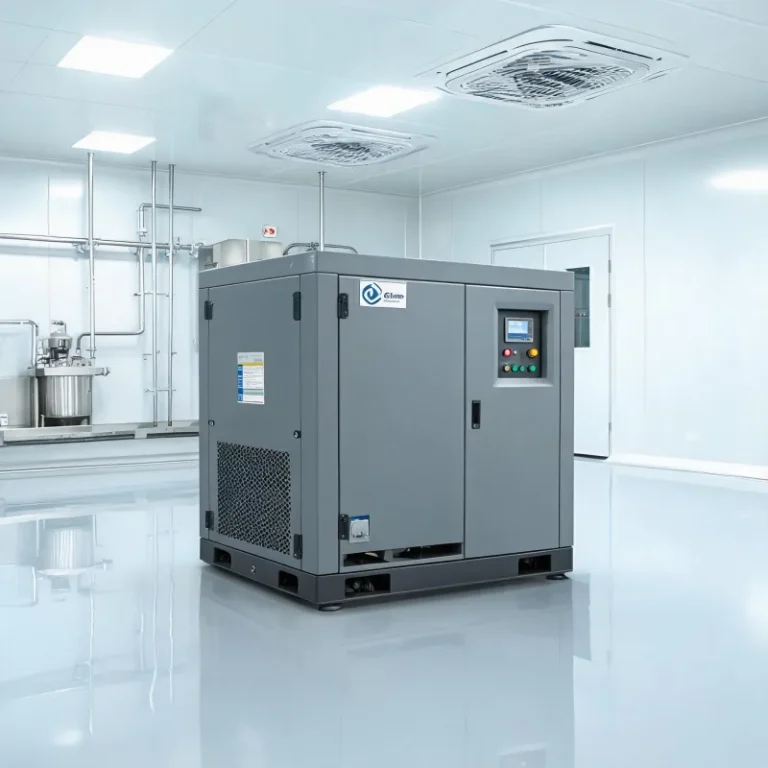
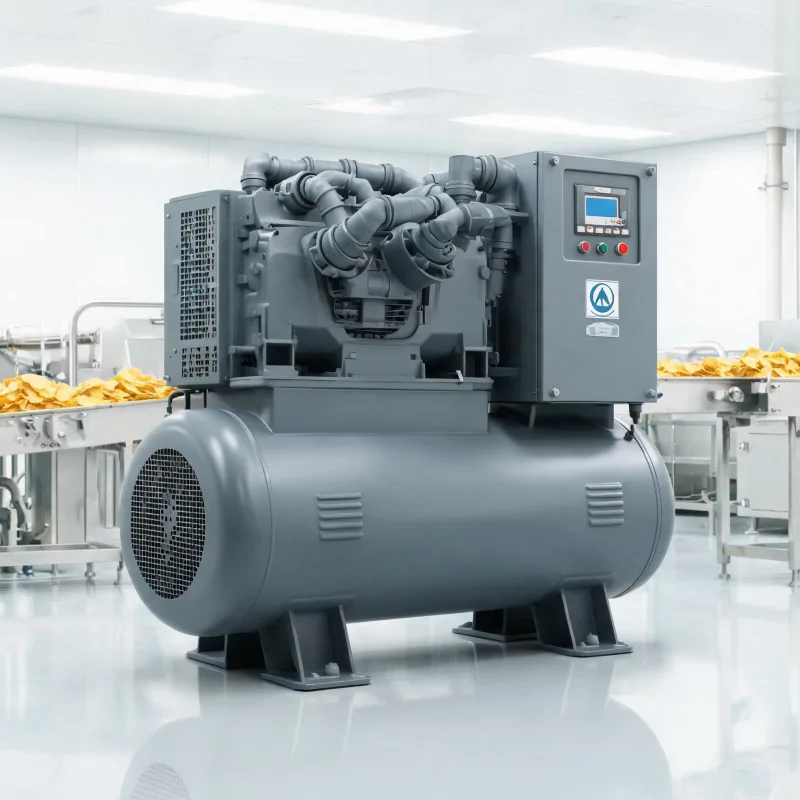
The project replaced all 1,800 feet of old carbon steel piping with food-grade aluminum piping, installed two 100HP oil-free screw compressors with variable speed drives, and added a central moisture and filtration system. Total project cost came to $212,000, including installation and commissioning.
After 10 months of operation, the plant recorded:
- 38% reduction in annual compressed air energy costs, cutting annual spend from $415,000 to $257,300
- Zero oil contamination events and zero unplanned compressed air system shutdowns
- Full compliance with 2024 FDA food contact standards for compressed air
The projected ROI for this project is 3.2 years, which falls right in the middle of the 2.8 to 4 year range DOE 2023 cites for similar food processing projects.
Boundary Conditions: When This Solution Does Not Apply
This full 2026 upgrade framework is not suitable for every snack food operation. It only delivers optimal ROI when your plant meets two criteria: annual production volume over 20,000 tons, and existing compressed air system older than 12 years.
For small artisanal snack facilities producing less than 5,000 tons a year, a partial retrofit of filtration systems will deliver a better ROI, with a payback period under 2 years. Full replacement would stretch payback to more than 7 years in that case.
Expert Insights
Full air system upgrades deliver faster ROI than most plant managers expect for mid-sized food facilities, thanks to combined energy savings and reduced compliance risk.
Further Reading
- Silent Oil-Free Compressor Laboratory R&D Application Case
- Large Two-Stage Oil-Free Compressor Biopharmaceutical Plant Project
- GMP Compliant Oil-Free Scroll Compressor Pharma Workshop Case Study
- Water Lubricated Oil-Free Compressor Dairy Production Line Project
- 2026 Full Air System Upgrade Case for Snack Food Factory, oil-free air compressor, snack factory compressed air system upgrade – Class 0 Dry Screw
About the Author

Frequently Asked Questions
What is the average cost of a full air system upgrade for a mid-sized snack food factory?
For a 100HP to 200HP system serving a 100,000 to 200,000 sq ft plant, total installed cost ranges from $120,000 to $280,000, based on 2025 industrial equipment pricing data.
Why is an oil-free compressor required for snack food manufacturing air systems?
Oil-injected compressors carry a persistent risk of oil carryover that can contaminate finished snack products, which violates FDA 2024 food safety rules for compressed air used in direct and indirect food contact. Oil-free systems eliminate this risk entirely.
Is a full system upgrade better than retrofitting my existing air system?
Full upgrade is better if your existing system is more than 15 years old, has leakage rates over 20%, or has a history of contamination issues. Partial retrofits only make sense for newer systems with minor compliance gaps.