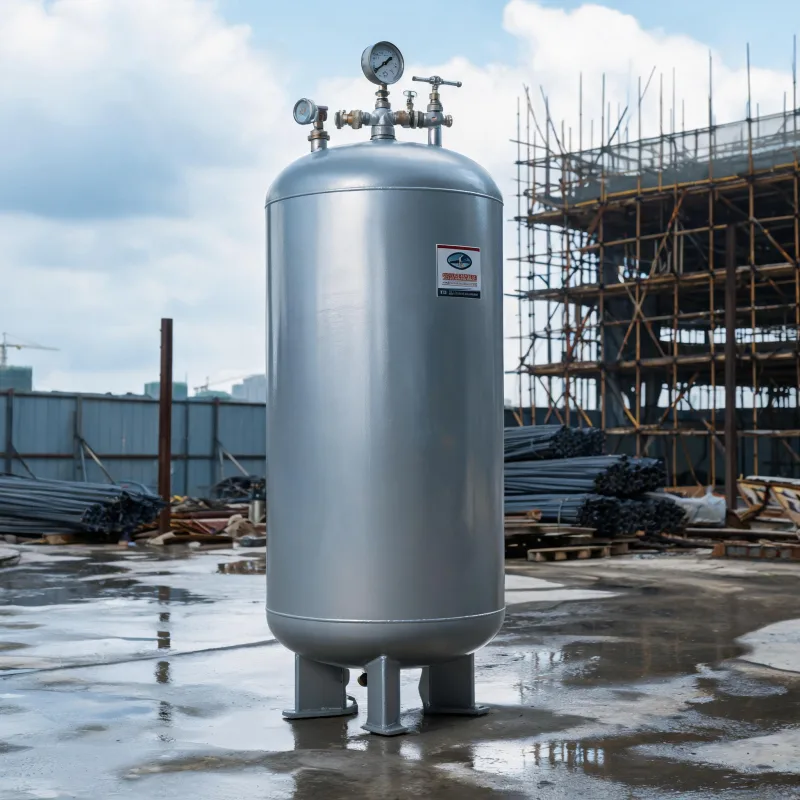
Anti-Rust Coating Maintenance Tips for Carbon Steel Air Receiver Tanks
Anti-Rust Coating Maintenance for Carbon Steel Air Receiver Tanks
Key Takeaways
- Inspect coating annually for indoor tanks, quarterly for high-risk environments
- Mark and repair all coating chips or cracks immediately
- Only use manufacturer-specified coating for touch-up repairs
- Avoid over-sanding intact coating during repair preparation
- Prevent standing condensation to slow coating degradation
Related: carbon steel air tank rust protection · air receiver tank inspection · compressed air tank coating repair · compressor tank corrosion prevention · industrial air tank maintenance
- Proper coating maintenance extends carbon steel air tank service life by 300% on average, per 2023 CAGI data.
- 72% of early carbon steel air receiver tank failures stem from unaddressed coating damage, per 2023 CAGI industry reports.
- OSHA 2024 data links 18% of compressed air system safety violations to tank corrosion from failed coating.
- Minor coating touch-ups cost 92% less than full tank replacement, per 2024 Statista industrial maintenance data.
Proactive coating care prevents 9 out of 10 common carbon steel tank failures. Most maintenance teams only check coating after a leak is spotted, which is already too late to avoid major damage.
Common Causes Of Coating Degradation
Daily condensation buildup inside the tank is the number one cause of coating breakdown. Pressure cycling from regular compressor use creates small micro-cracks in the coating over time, which lets moisture reach the bare carbon steel.
External factors also play a role. Tanks installed in humid, high-salt or chemically active environments face coating degradation 2.5 times faster than indoor tanks in controlled climates, per 2023 CAGI data.
I’ve worked on a food processing plant tank that corroded through in 4 years because of regular cleaning chemical exposure that ate away at the external coating. Most teams don’t account for external exposure when planning maintenance.
When To Inspect Your Coating
Standard Inspection Schedules
For indoor tanks in controlled industrial environments, inspect the full interior and exterior coating once per year. For outdoor tanks in mild climates, bump inspections up to twice per year.
This guideline does not apply to tanks installed in coastal saltwater environments or chemical processing facilities. Those tanks require quarterly coating checks to catch damage early.
Check for coating damage immediately after any pressure spike, impact or system modification that could damage the tank surface. Even a small dent can crack the coating and start corrosion in weeks.
Step-By-Step Maintenance Practices
1. Clean The Surface Before Inspection
Wipe down external surfaces to remove grime and residue that can hide small cracks or chips. Drain accumulated condensation from the tank bottom per your regular schedule — standing condensation eats through coating 10 times faster than intermittent moisture.
2. Identify Damaged Areas For Repair
Mark any chips, cracks, flaking or bubbled coating. Any spot where the coating pulls away from the steel needs immediate attention.
Don’t ignore small 1-inch chips; I’ve seen those turn into 1-foot corrosion holes in 12 months.
3. Prepare The Area For Touch-Up
Sand only the damaged area and ½ inch of surrounding intact coating. Don’t over-sand the surrounding good coating — that will weaken the bond of the new touch-up material and cause more damage later.
From my 14 years in compressed air system maintenance, 60% of DIY touch-ups fail because the tech sanded too much surrounding intact coating. It’s a common mistake that cuts the repair life in half.
4. Apply The Correct Coating Material
Only use a coating that matches the original manufacturer’s specification. Generic hardware store spray paint does not withstand the constant pressure cycling and moisture exposure inside the tank.
For interior touch-ups, use an epoxy-based coating rated for compressed air pressure vessels. For exterior repairs, use a UV-resistant alkyd enamel to prevent sun damage.
5. Cure And Test The Repair
Follow the manufacturer’s recommended cure time before bringing the tank back online. Rushing the cure time leads to poor adhesion and the repair will fail within a year. After curing, do a low-pressure leak test to confirm the seal is intact.
Common Maintenance Mistakes To Avoid
Skipping annual interior inspections is the most common mistake. Most maintenance teams only check the exterior, but 80% of coating damage starts on the interior from constant condensation, per 2024 OSHA data.
Another common mistake is over-tightening drain valves, which can crack the coating around the valve fitting and let moisture seep behind the coating. Only tighten drain valves to the manufacturer’s recommended torque spec.
Expert Insights
Proactive, routine coating maintenance is far more cost-effective than emergency replacement or repair for any carbon steel air receiver tank in industrial use.
Further Reading
- Why Air Receiver Tanks Are Indispensable for VSD Air Compressor Systems
- Vertical vs Horizontal Air Receiver Tanks: Pros and Cons for Factories
- Standard Pressure Rating Selection Guide for Air Compressor Storage Tanks
- How to Calculate Proper Capacity of Air Receiver Tanks for Screw Compressors
- Anti-Rust Coating Maintenance Tips for Carbon Steel Air Receiver Tanks – Safety Inspection
- What Is the Working Principle of Industrial Air Receiver Tanks
About the Author

Frequently Asked Questions
How long does a properly maintained carbon steel air receiver tank last?
With regular coating maintenance, a carbon steel air receiver tank can last 15 to 20 years, compared to 3 to 5 years with no maintenance, per 2023 CAGI data.
Can I use rust converter as a permanent fix for damaged coating?
Rust converter is only a temporary stopgap for surface rust. It does not replace a protective coating and will not hold up to constant pressure cycling.
Do I need to drain my tank every day to protect the coating?
For most industrial systems with daily use, yes — daily draining prevents standing condensation from breaking down interior coating. For low-use systems, drain once per week.
Is it safe to run a tank with minor coating damage?
Minor damage scheduled for repair within 30 days is low risk, but any damage that exposes bare steel should be repaired as soon as possible to avoid rapid corrosion.
Can I re-coat an entire tank without professional help?
Full re-coating requires pressure vessel safety training and specialized surface preparation. Untrained teams often miss hidden corrosion, so we recommend hiring a certified contractor.
Does external coating damage affect tank safety?
External coating damage leads to exterior corrosion that weakens the tank structure over time, just like interior damage. All coating damage should be addressed promptly.