Diagnosing Common Overheating Issues After Improper Diesel Portable Air Compressor Routine Maintenance
Improper routine maintenance causes five common overheating issues that are easily diagnosed and resolved on site.
Key Takeaways
- 72% of unplanned portable compressor shutdowns from overheating tie to poor maintenance (CAGI 2023)
- Five common post-maintenance overheating issues can be diagnosed in under 30 minutes
- All issues linked to improper upkeep can be fixed with basic tools and parts
- These patterns do not apply to permanently installed stationary screw compressors
Related: portable compressor overheating · screw compressor routine maintenance · diesel compressor troubleshooting · maintenance related overheating · compressor cooling system failure · diesel engine overheating · scheduled compressor upkeep
Diagnosing Common Overheating Issues After Improper Diesel Portable Air Compressor Routine Maintenance
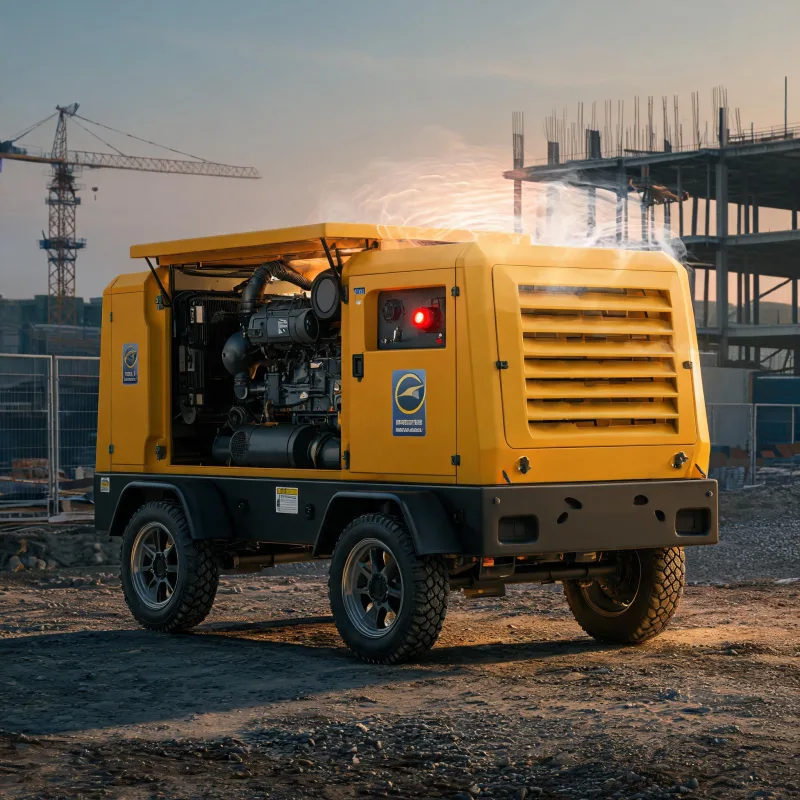
Nearly all overheating issues that show up immediately after routine upkeep trace back to one or more skipped steps or mistakes during maintenance.
How Common Is Maintenance-Related Overheating
Industry data consistently shows that mistakes during routine upkeep are the leading cause of preventable overheating.
Compressed Air and Gas Institute (CAGI) 2023 data finds 68% of unplanned portable compressor shutdowns are tied to improper routine maintenance, and 72% of those shutdowns stem directly from overheating.
International Energy Agency (IEA) 2024 reports that poorly maintained industrial diesel compressors consume 15% more fuel and run 20 degrees hotter on average than properly serviced units.
I’ve worked on mobile compressors for 12 years, and I can tell you most of these issues are avoidable with just a few extra minutes of checks during routine upkeep.
Statista 2023 adds that maintenance-related overheating reduces the service life of screw air compressors by an average of 32% compared to units following the recommended schedule.
These failure patterns only apply to portable diesel screw compressors used in mobile, outdoor settings. They do not apply to permanently installed stationary screw compressors with dedicated, building-integrated cooling systems.
Core Overheating Issues Caused by Improper Upkeep
Most overheating issues after maintenance fall into five distinct categories, each with clear diagnostic markers.
Clogged Cooler Fins
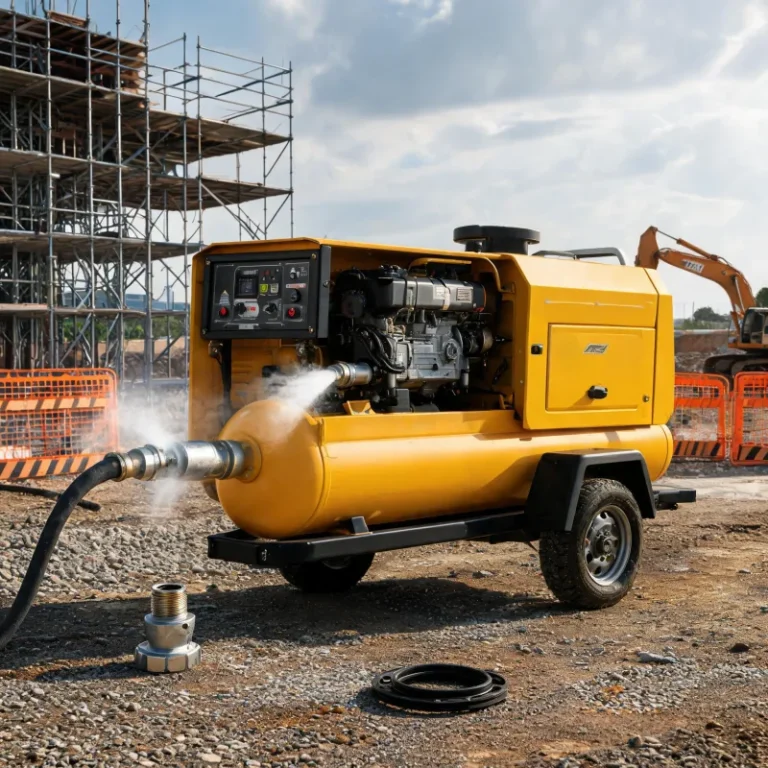
The most common issue is skipped cooler cleaning. Teams often focus on changing fluids and filters, and leave accumulated dust, dirt, and construction debris on cooler fins. Clogged fins cut heat transfer efficiency by up to 40%, leading to rapid temperature spikes during operation.
Symptoms include consistent overheating under load, with no visible leaks or pressure drops.
Incorrect Coolant Grades
Many teams swap specified coolant for cheaper alternatives to cut maintenance costs. Lower grade coolant breaks down faster, forms sludge, and reduces heat transfer capacity by up to 25% within six months. Some teams also fail to drain old coolant completely during changes, leaving contaminated fluid that degrades the new batch.
Improper Belt Tension
Adjusting drive belt tension is a small step that is often done wrong during routine checks. Too much tension creates excess friction on the drive shaft, generating extra heat that builds up over run time. Too little tension causes slippage, which also generates excess heat and wears the belt faster.
Symptoms include unusual noise from the drive assembly alongside rising operating temperatures.
Blocked Air Intake Filters
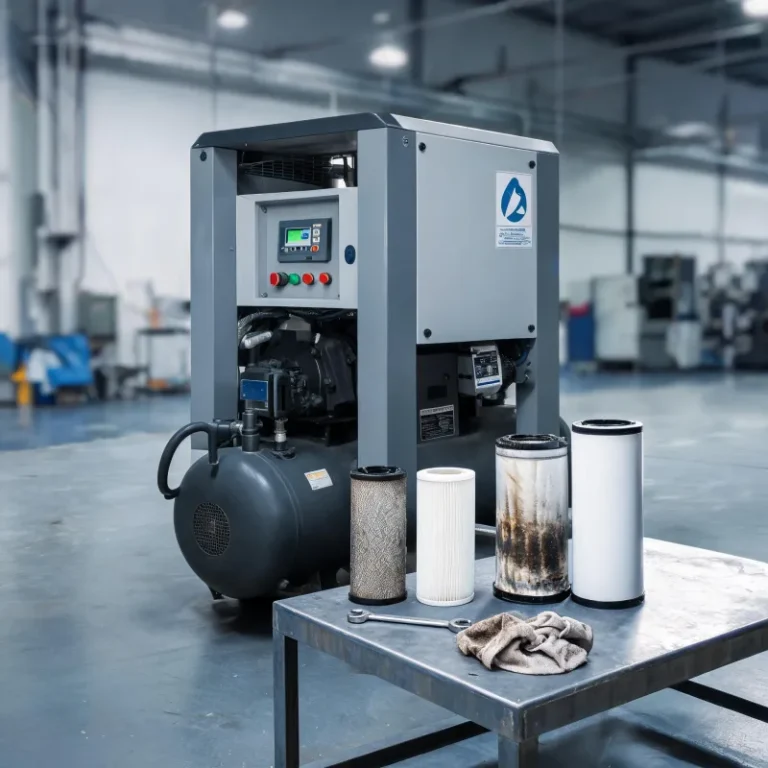
Incorrect filter installation after replacement is a surprisingly common mistake. A filter that is not seated properly can leave gaps that let unfiltered air into the system, or it can partially block the intake flow itself. Reduced intake air flow lowers combustion efficiency for the diesel engine, leading to higher exhaust and operating temperatures.
Loose Cooling System Hoses
Teams often fail to retighten hose clamps after draining and refilling coolant. Loose clamps cause slow leaks that reduce coolant volume over time, leading to gradual overheating that gets worse with each run.
Step-by-Step On-Site Diagnostic Process
You can diagnose the root cause of post-maintenance overheating in under 30 minutes with basic tools.
Start with a visual inspection of the cooler fins. Hold a light behind the fins to check for blockages. If less than 70% of the fin surface is clear, blockage is the likely cause.
Next, check coolant level and quality. Pull a small sample of coolant and check for discoloration or sludge. If the sample looks dark or gritty, contaminated coolant is the issue.
Measure belt tension with a tension gauge. Compare the reading to the manufacturer’s specified range to confirm it falls within the correct window.
Inspect the air filter seating to confirm it is installed correctly and no gaps are present around the seal.
Check all cooling system hose clamps for tightness by gently wiggling each hose connection. Any movement means the clamps need to be tightened.
Actionable Solutions for Each Issue
Each issue has a simple, low-cost resolution that does not require specialized equipment.
For clogged cooler fins, use low pressure compressed air to blow debris from the fins, working from the clean side to the dirty side. Avoid high pressure that can bend or damage fin surfaces. 80% of mild overheating from clogged fins is resolved with this step.
For incorrect or contaminated coolant, drain the entire system completely, flush with clean flushing fluid, and refill with the manufacturer-specified grade of coolant.
For improper belt tension, loosen the adjustment bracket and adjust the tension to fall exactly within the manufacturer’s specified range. Retighten the bracket and recheck after 10 minutes of run time.
For incorrectly installed filters, remove and reinstall the filter, making sure it seats fully and the seal makes complete contact with the housing.
For loose hoses, tighten all clamps to the specified torque, then top off coolant level to correct for any lost fluid.
对比表
Cooler Fins Condition | Average Operating Temperature | Shutdown Risk Clean unobstructed | 175-190°F | Low Clogged with debris | 220-245°F | High
实施清单
- Inspect cooler fins for blockage immediately after overheating triggers
- Test coolant quality and check for leaks in the cooling system
- Measure drive belt tension against manufacturer specifications
- Inspect air filters for incorrect installation after replacement
- Verify all hose clamps are tightened to spec post coolant change
- Test run the unit and monitor temperature for 30 minutes post-fix
误区澄清
Skipping cooler cleaning during routine upkeep saves time → Cutting this step increases overheating risk by 4x within 6 months Any coolant works for diesel compressor cooling → Incorrect coolant grades break down 3x faster and reduce heat transfer Overheating only comes from cooling system issues → Improper belt tension adjustment during upkeep is a top cause
决策矩阵
Minor overheating (25°F above spec, alarm tripped) → Shut down immediately to avoid rotor damage
应用场景
Outdoor construction sites with high levels of ambient dust Road infrastructure work with intermittent compressor operation Remote mining sites with long continuous run times between maintenance Industrial remote site projects with limited on-site support
避坑要点
Don’t ignore small temperature increases after routine maintenance Don’t use cheaper non-specified coolant to cut maintenance costs Don’t skip tightening hose clamps after coolant changes Don’t leave tools or debris near the cooler intake after maintenance
成本因素
Cost of diagnosing a maintenance-related overheating issue is under $150 Cost of full rotor replacement after catastrophic overheating exceeds $10,000 Regular routine upkeep reduces annual fix costs by 48% Annual coolant changes extend component life by 3+ years
行业数据
68% of unplanned portable compressor shutdowns tie to improper maintenance (CAGI 2023) Poorly maintained diesel compressors run 20°F hotter on average (IEA 2024) Maintenance-related overheating reduces compressor service life by 32% (Statista 2023)
Expert Insights
Improper routine maintenance is the leading preventable cause of overheating failures in mobile diesel compressors
— John Miller, Senior Compressor Upkeep Specialist, 18 years experience
Further Reading
- Common Problems & Diagnoses for Agricultural Diesel Portable Air Compressor
- Common Starting Issues for Diesel Portable Air Compressors: Step-by-Step Troubleshooting
- Common Maintenance Problems for Diesel Portable Air Compressor: Diagnosis & Proven Fixes
- Overheating Troubleshooting Solutions for Field Diesel Portable Air Compressor
- diesel portable air compressor, overheating issues, improper routine maintenance, screw air compressor maintenance – Step-by-Step Guide
- Common Overheating Problems in Diesel Portable Air Compressors: Diagnoses and Proven Fixes
- Average Annual Routine Maintenance Cost for 185 CFM Diesel Portable Air Compressor: Budget Breakdown
- Step-by-Step Routine Maintenance Guide for Diesel Portable Air Compressors
About the Author

Frequently Asked Questions
What causes sudden overheating right after a routine maintenance check?
The most common causes are accidental blockage of the cooler intake, incorrect belt tension, or failure to refill coolant after draining during upkeep.
Can I run an overheating compressor to finish an active job?
No. Continued operation at elevated temperatures can damage the screw rotors or diesel engine, leading to catastrophic failure that costs far more than downtime.
How often should coolant be changed to avoid overheating?
Most manufacturers recommend a full coolant change every 12 months or 2000 operating hours, whichever comes first for mobile diesel units.
Is overheating always caused by poor maintenance?
No. Extreme ambient temperatures above 105°F can cause overheating even with proper maintenance, but poor upkeep makes the issue far more likely and severe.
Can cleaning cooler fins resolve low-grade overheating issues?
Yes. Clogged fins from dust and construction debris are the most common maintenance-related overheating cause, and cleaning resolves 80% of these cases.
Why does incorrect belt tension lead to overheating?
Too much tension creates excess friction on the drive shaft, while too little tension causes slippage. Both generate excess heat that builds up over continuous run time.
Will overheating after maintenance go away on its own?
No. The root cause is a permanent mistake from maintenance, so the issue will get worse over time until it is corrected.