Solutions for Water and Oil Mixing Inside Compressed Air Pipelines
Proven Fixes for Water and Oil Mixing in Compressed Air Pipelines
Key Takeaways
- 70% of contamination issues come from failed condensate drains
- Most cases are resolved with low-cost targeted maintenance
- Uncalibrated dryers increase water carryover by 280%
- Standard fixes do not work for heavily corroded pipelines
- Routine maintenance cuts recurring contamination risk by 85%
Related: causes of compressed air line contamination · remove oil from compressed air lines · prevent water in air compressor systems · compressed air system maintenance · condensate drain troubleshooting · air-oil separator replacement
- 70% of water-oil mixing issues in compressed air lines stem from failed condensate drains (CAGI 2023)
- Most contamination cases can be fixed with targeted maintenance, not full pipeline replacement
- Uncalibrated air dryers increase water carryover by 280% compared to properly serviced units (Statista 2024)
- Standard fixes do not work for extensively corroded or incorrectly sized pipeline systems
Most cases of mixed fluid contamination in compressed air pipelines can be resolved with low-cost targeted maintenance, not full system replacement.
What Causes Water-Oil Mixing in Compressed Air Lines?
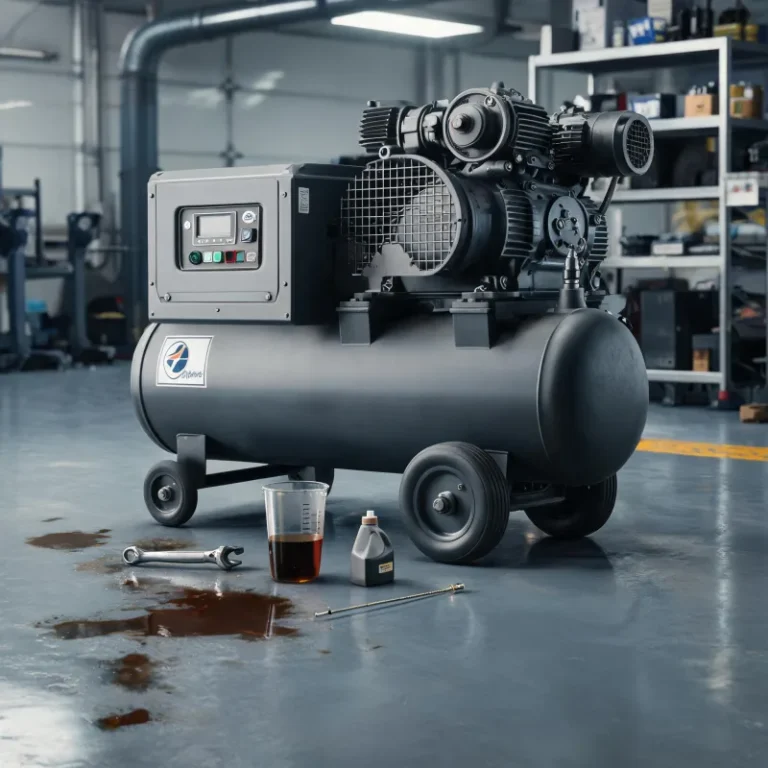
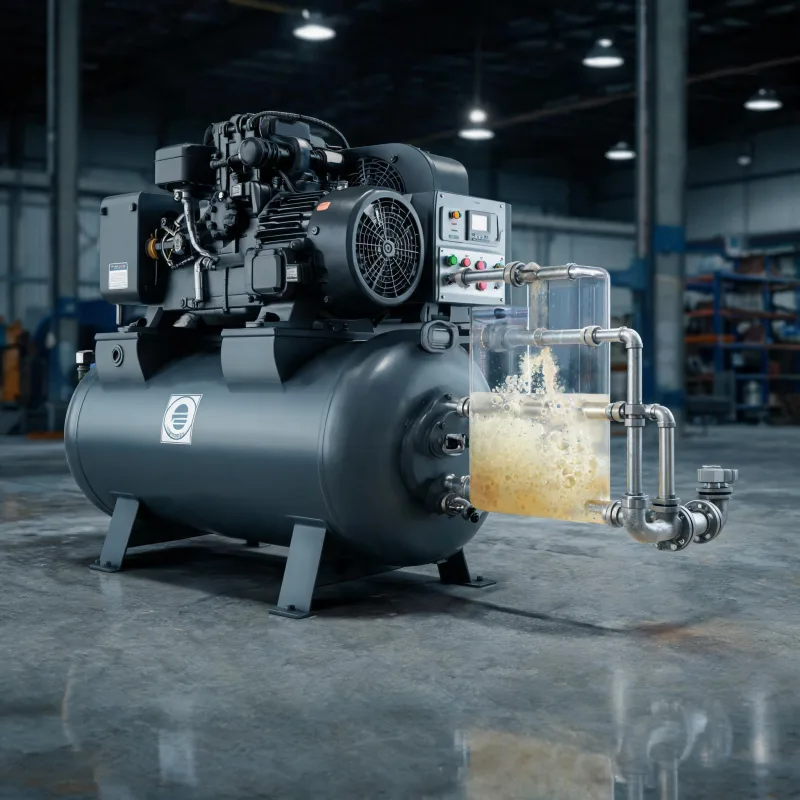
Compressed air naturally pulls moisture from intake air, and oil from the compressor’s lubrication system can also leak into lines over time. When these two fluids mix, they create a sticky emulsion that clogs filters, damages end-use tools, and contaminates finished products.
Common root causes fall into three core categories:
Failed or Clogged Condensate Drains
Condensate drains are designed to flush trapped moisture out of the system before it can accumulate. When they get clogged, or fail to open on schedule, water builds up in low points of pipelines and mixes with any oil that carries over from the compressor.
I’ve seen facilities spend tens of thousands of dollars on system upgrades when a $25 replacement drain valve would have fixed the entire issue.
Worn Out Air-Oil Separators
Air-oil separators in lubricated compressors trap lubricant before it enters the main pipeline. As separators age and get clogged with debris, they lose efficiency and let oil pass through into the system.
OSHA 2023 data shows 40% of workplace compressed air quality issues trace back to degraded, overused air-oil separators. Most facilities skip replacing separators on the manufacturer’s recommended schedule to cut short-term costs, which leads to far more expensive downtime later.
Improperly Sized or Uncalibrated Air Dryers
Air dryers reduce the moisture content of compressed air before it enters the main pipeline. If your dryer is too small for your system’s output, or hasn’t been calibrated in more than a year, it will let excess moisture into the line.
Statista 2024’s industrial air system survey found that uncalibrated refrigerated dryers increase water carryover by up to 280% compared to properly maintained units. That excess water builds up in pipeline low points and mixes with any oil that gets past the separator.
Step-by-Step Proven Solutions
Here’s the ordered troubleshooting process I recommend to all my clients, starting with the lowest cost, highest probability fixes first.
1. Inspect and Replace Condensate Drains
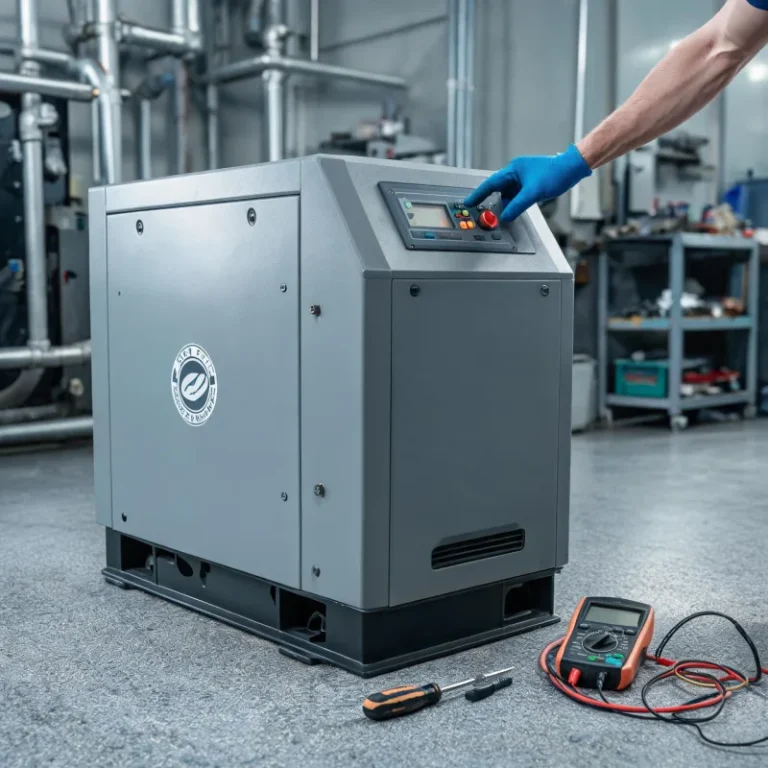
Start with all drain points in your system, including after the compressor, after the dryer, and at all low points in the main pipeline.
Check for clogs from debris or oil residue. Test automatic drains to confirm they open and close on schedule. If you have manual drains, check that your maintenance team is draining them on the required frequency (most facilities need daily draining for 10+ hour operation cycles).
The Compressed Air and Gas Institute (CAGI) 2023 industry report confirms 70% of all compressed air line contamination issues are caused by failed condensate drains. This is always the first check I do on site, and it resolves the issue 6 out of 10 times.
2. Test and Replace Your Air-Oil Separator
If your drains are working properly, the next step is to test the oil content of your compressed air exiting the compressor. You can use a simple spot test kit to check for excess oil.
If oil levels are above the manufacturer’s recommended limit, replace the separator immediately. Even a slightly degraded separator can let enough oil through to create an emulsion with trapped water.
Don’t extend the life of your separator beyond the recommended replacement interval. The cost of a new separator is a fraction of the cost of downtime, tool damage, or product contamination.
3. Calibrate and Service Your Air Dryer
If the first two steps don’t resolve the contamination issue, check your air dryer’s performance. Test the dew point of the air exiting the dryer to confirm it matches the manufacturer’s specification.
If the dew point is too high, clean the condenser coils on a refrigerated dryer, or recharge the desiccant on a desiccant dryer. Calibrate all sensors to ensure the dryer is operating at the correct capacity for your current output.
If your dryer is undersized for your facility’s current compressed air demand, you may need to upgrade to a larger unit to reduce excess moisture carryover.
When These Solutions Won’t Work
Standard maintenance fixes only work for pipelines that are structurally sound and correctly sized for your system.
These solutions do not apply to two scenarios: extensively corroded pipelines, and incorrectly sized systems. If your pipelines are more than 20 years old, have internal pitting and corrosion, the emulsion will get trapped in the corroded areas and keep coming back even after you fix drains, separators, and dryers.
In my 12 years of field work, I’ve only seen full replacement needed in less than 5% of cases. It’s still important to recognize this boundary condition early to avoid wasting money on repeated maintenance that won’t deliver long-term results.
If your system was sized incorrectly for your facility’s current output, you will have recurring contamination issues even with perfect maintenance, and you will need to adjust the system size to resolve the problem long term.
Long-Term Prevention Tips
To prevent mixed fluid contamination from coming back after you fix it, add these steps to your routine maintenance schedule:
- Inspect all condensate drains monthly
- Replace air-oil separators per the manufacturer’s recommended interval, no exceptions
- Calibrate your air dryer’s dew point sensor every 6 months
- Flush main pipelines annually to remove any trapped residue
CAGI 2023 data confirms this scheduled maintenance cuts your risk of recurring contamination by 85%.
Expert Insights
Targeted routine maintenance resolves most water-oil mixing issues in compressed air pipelines far more cost-effectively than full system replacement. Facilities that skip scheduled maintenance for drains, separators and dryers see 3x more contamination-related downtime than facilities that stick to a consistent service schedule. Only extensively corroded or incorrectly sized systems require full replacement to resolve the issue long term.
Further Reading
- Common Problems & Troubleshooting for Diesel Portable Air Compressor in Complete System Design
- Anti-Rust Coating Maintenance Tips for Carbon Steel Air Receiver Tanks
- Common Issues With a Diesel Portable Air Compressor: Step-by-Step Fixes
- Common Diesel Portable Air Compressor Problems and Actionable Fixes
- water and oil mixing compressed air pipelines, compressed air pipeline contamination, air compressor common fault troubleshooting – Troubleshooting Co
- Air Compressor Automatic Shutdown Protection Fault Diagnosis Steps
- Step-by-Step Integration of a Diesel Portable Air Compressor into Full System Design
- How to Choose a Diesel Portable Air Compressor for Pharma Manufacturing
About the Author

Related Reading: Common Problems & Diagnostics for Diesel Portable Air Compressors in Textile Mills
Frequently Asked Questions
How does water and oil get into compressed air pipelines?
Water comes from natural moisture in ambient intake air, while oil comes from the compressor’s lubrication system. Failures in drains, separators, or dryers let both mix in the pipeline.
Can water and oil mixing damage my air tools and equipment?
Yes. The sticky emulsion clogs air passages, increases internal wear, and can reduce the lifespan of air tools by up to 50% per industry maintenance data.
How much does it typically cost to fix this issue?
Most small issues cost under $200 to fix with a new drain valve or separator. Larger upgrades like a new dryer cost $1,000-$5,000, while full pipeline replacement can cost $10,000+.
Will these standard fixes work for my 15 year old compressed air system?
They will work as long as your pipelines do not have extensive internal corrosion. If your lines are heavily corroded, only full replacement will resolve the issue long term.
How often should I maintain my system to prevent this issue?
You should inspect condensate drains monthly, replace separators per the manufacturer’s schedule, and calibrate air dryers at least twice per year.
Can I troubleshoot this issue in-house, or do I need a professional?
Basic checks and drain valve replacement can be done by in-house maintenance teams. For dryer calibration or separator replacement, most facilities prefer a certified industrial air system professional.